Disclaimer: This article provides practical pet care education and routine guidance only. It does not replace professional veterinary diagnosis, treatment, or medical advice. All breed-related risk factors and screening guidelines reference peer-reviewed veterinary data and licensed vet recommendations. Always contact your veterinarian for individual health concerns, unusual symptoms, or emergency situations. Do not self-diagnose or administer prescription treatments to your dog.
About Us: Our site is run by a 10-year experienced pet caregiver and independent pet care content curator. We collaborate with professional pet nutrition consultants to deliver practical, household-friendly pet care guidance. We skip generic, repetitive pet care myths online, and build every guide based on long-term personal breeding experience, real product testing results, and authentic pet behavior cases. All our content focuses on actionable daily routines, home safety standards, and clear health risk boundaries, helping regular pet owners avoid common raising errors and prevent hidden pet health issues.

Most new golden retriever owners fall for the same false assumption. They think this breed is low-maintenance, friendly, and easy to raise. I learned this wrong the hard way. Three years ago, I adopted my first adult golden. I relied on generic dog care content for daily routines. Within two months, he developed recurring ear yeast infections, unexpected weight gain, and mild leash anxiety. I chased him around the house for stolen socks daily. I shaved small patches of his coat to cool him down in summer, which ruined his fur texture long-term.
Every single issue stemmed from breed-specific traits no basic pet guide covers. Goldens are not just “happy family dogs.” They have unique genetic weaknesses, fixed working-dog instincts, and subtle pain-masking behaviors that let small problems turn into emergencies fast.
This guide focuses only on real household scenarios, fixable owner errors, and clear safety boundaries. It aligns with veterinary research from UC Davis Health and DVGRR veterinary advisory standards, with embedded expert quotes, comparison tables, step-by-step routines, and explicit vet-call triggers.
Understand Their Unique Retrieving Instinct (Stop Punishing Normal Behavior)
Goldens are bred gundogs. Their core job was to retrieve game for hours across land and cold water. This instinct does not disappear in indoor family homes. It drives 80% of their common “bad habits.”
They grab socks, remote controls, and small household items out of instinct, not defiance. They carry toys nonstop around the house to fulfill their working drive. Most owners punish this behavior and worsen dog trust long-term.
I made this classic mistake early on. I chased my golden for stolen items. I scolded him for carrying random objects. This turned stealing into a fun attention game. The behavior lasted months until I switched to breed-aligned routines.
3 Step Daily Routine to Fix Household Scavenging
- Keep 2–3 soft, durable carry toys in every main room. Give your dog approved items to hold freely. This satisfies their oral carrying drive without chaos.
- Use simple trade-up exchanges only. Never chase or yell. Offer a high-value treat or better toy when they grab forbidden objects. Reward every voluntary release.
- Add 5-minute indoor scent games daily. Hide small kibble pieces across the living room. This tires their working brain far better than casual walks.
Common Owner Mistake & Fix
Mistake: Unlimited repetitive ball fetch to burn energy fast.
Result: Overstimulation, joint strain in young dogs, and hyperactive greeting behaviors.
Fix: Limit fetch to 10–15 minute controlled sessions. Mix in sniff walks and scent work for balanced mental exhaustion.
Breed-Specific Exercise Rules (Age-Based, Vet Verified)
Generic “1 hour daily walk” advice fails goldens completely. Puppies need low-impact movement. Adults need mixed aerobic activity. Seniors need gentle consistency. Wrong exercise causes permanent joint damage in this high-risk breed.
“We see avoidable hip and elbow damage in young Goldens weekly. Owners over-exercise growing puppies thinking more activity equals better health. Immature growth plates cannot handle repetitive high-impact movement.”
— Dr. Samantha Okafor, DVM, Canine Sports Medicine Specialist, Dog Outsiders 2026
Age-Based Exercise Breakdown
Puppies (0–18 months)
Growth plates stay open until 14–18 months old. Stick to 3–4 short 10-minute daily outings. Let your puppy pause and rest on their own. Skip long jogs, repeated jumping, stair overuse, and intense fetch drills.
Adults (1–7 years)
Hit 60–120 minutes total daily movement. Split into morning and evening sessions. Mix trotting, swimming, easy hiking, and short fetch rounds. Slow sniff walks add enrichment but do not replace aerobic exercise.
Seniors (8+ years)
Cut intensity, not frequency. Use slow daily walks and nose work games. Watch for post-activity stiffness. Adjust routines immediately if mobility drops.
Critical Swimming Safety Rule (Golden Exclusive)
“Water trapped deep inside Golden ear canals creates constant yeast and bacterial infections. Drying ears thoroughly after every swim or bath is non-negotiable for this floppy-eared breed.”
— Delaware Valley Golden Retriever Rescue (DVGRR) Veterinary Advisory Panel
I ignored this rule for months. My dog suffered recurring ear irritation and vet visits. Now I dry ear canals for 60 seconds after every water exposure. Infections stopped completely.
Golden Retriever Nutrition & Feeding Safety (No Generic Calorie Rules)
Goldens have extreme food drive. This trait raises their risk for pancreatitis, bloat, and obesity more than most breeds. 60% of golden retrievers develop life-shortening health conditions linked to poor weight management and unbalanced daily nutrition (UC Davis Health, 2023).
I used to feed extra treats when my dog begged. He gained 7 pounds in one month. His vet confirmed early joint inflammation from excess weight. That mistake taught me breed-specific portion control is non-negotiable.
Safe vs Risky Feeding Product & Routine Comparison Table
| Item/Routine | Safe Choice for Goldens | High-Risk Choice | Why It Matters |
|---|---|---|---|
| Food Bowl Type | Flat stainless steel slow-feed bowl | Elevated raised bowl, deep narrow bowl | Raised bowls increase bloat risk for deep-chested goldens; fast eating triggers GDV |
| Treat Calorie Limit | Max 10% of daily total calories | Unlimited snacks, table scraps | Excess fat triggers fatal pancreatitis in food-sensitive goldens |
| Supplements | Vet-prescribed joint/omega support | Over-the-counter stacked supplements | Unregulated supplements cause mineral imbalance and organ strain |
| Post-Meal Activity | 30 minutes calm rest | Immediate running, fetch, or rough play | High movement after meals spikes bloat emergency risk |
Common Feeding Mistake & Quick Fix
Mistake: Feeding fatty table scraps as rewards.
Risk: A single high-fat meal can trigger acute pancreatitis in goldens.
Fix: Replace scraps with low-calorie, vet-approved training treats. Stick strictly to measured daily portions.
Grooming Routine: Fix Myths That Harm Golden Coats & Skin
Golden double coats regulate body temperature year-round. Most owners ruin coat health with bad summer grooming habits. Shaving destroys natural insulation and causes permanent patchy regrowth.
I shaved my golden’s belly fur to cool him down in summer. His coat grew back thin and uneven for over a year. Vet groomers confirmed this is a top golden owner error.
Seasonal Grooming Step-by-Step Routine
- Off-shedding seasons: Brush 2–3 times weekly. Use undercoat rake first, then slicker brush, then metal comb to catch hidden mats.
- Spring/fall heavy shed seasons: Brush daily for 10–15 minutes. Remove loose undercoat to prevent matting and hot spots.
- Post-bath/swim: Dry fur completely down to the skin. Damp trapped fur causes bacterial skin infections and hot spots.
Key Grooming Safety Note
Never shave a golden retriever for cosmetic or cooling purposes. Only allow shaved areas if your vet requires it for surgical or skin treatment.
Golden Retriever Pain & Stress Detection (They Hide Symptoms Well)
Goldens are people-pleasing dogs. They mask pain and anxiety to avoid disappointing owners. Obvious aggression or crying rarely happens. Stress and pain show through quiet, easy-to-miss habits.
Hidden Pain/Stress Signs Most Owners Ignore
- Constant paw licking or chewing
- Restless pacing at night
- Over-excited greetings as a stress release
- Reluctance to jump on furniture or climb stairs
- Decreased appetite with no digestive upset
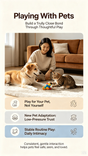
Many owners think frequent cuddles build bonds. Structured daily interaction works far better. Short training games, scent work, and consistent gentle routines build secure trust and lower chronic stress.
When to Call Your Veterinarian (Clear Emergency & Routine Triggers)
Golden retrievers have elevated risks for cancer, joint dysplasia, bloat, ear disease, and thyroid issues (Journal of Veterinary Internal Medicine, 2011). Know these exact trigger points to avoid late intervention.
Call Vet Within 24 Hours (Non-Emergency But Critical)
- Mild persistent stiffness after rest or walks
- Occasional head shaking or faint ear odor
- Slow, unexplained weight gain with normal appetite
- Small new lumps or skin discoloration
Emergency Vet Visit (Immediate, No Delay)
- Swollen, tight abdomen or unproductive retching (GDV/bloat risk)
- Severe ear discharge, redness, or constant head shaking
- Sudden inability to stand, climb, or walk normally
- Lethargy paired with refusal of food/water over 12 hours
- Fast-growing skin masses or open moist hot spots
Age-Based Preventive Screening Rule (Vet Recommended)
Start expanded annual health checks at 6 years old. Middle-aged and senior goldens face 60–65% lifetime cancer risk (UC Davis Health, 2023). Annual blood work, lump checks, and eye exams catch aggressive conditions like lymphoma and hemangiosarcoma early.
Common Golden Owner Mistakes Final Roundup
- Over-exercising puppies to burn energy fast → Fix: Stick to short, self-regulated puppy outings
- Chasing/scolding stealing behavior → Fix: Use trade-up and approved carry toys
- Skipping post-water ear drying → Fix: Dry ear canals fully after every swim/bath
- Feeding table scraps for bonding → Fix: Use measured breed-safe treats only
- Shaving coat for summer cooling → Fix: Stick to consistent brushing and indoor temperature control
Internal Site Links (Best Pet Care Guide Relevant Reads)
For low-stress grooming techniques adaptable for golden coats: How to Build a Low-Stress Grooming Routine Your Pet Can Actually Tolerate
For safe summer home protection for indoor goldens: Indoor Summer Heat Safety for Dogs & Cats: Proactive Cooling Steps
For calm travel routines to reduce golden anxiety: Stress-Free & Safe Car Rides for Cats and Dogs
For new rescue golden adjustment routines: A First-Month Care Routine for an Adopted Adult Dog
For safe weight management for overweight indoor goldens: Helping Your Chubby Indoor Cat Slim Down Safely (weight management principles apply to canine breed-safe calorie control)
Final Action Step: Audit your golden’s daily routine tonight. Fix one high-risk habit and schedule your next preventive vet check to protect their long-term health.