About Us
Our site is run by a 10 year experienced pet caregiver and independent pet care content curator. We collaborate with professional pet nutrition consultants to deliver practical, household friendly pet care guidance.We skip generic, repetitive pet care myths online, and build every guide based on long term personal breeding experience, real product testing results, and authentic pet behavior cases. All our content focuses on actionable daily routines, home safety standards, and clear health risk boundaries, helping regular pet owners avoid common raising errors and prevent hidden pet health issues.
Clear Medical Disclaimer
This article provides general pet care education and practical home management tips only. It does not offer medical diagnosis, prescription treatment, or substitute in-person veterinary care. All breed-specific health concerns require evaluation by a licensed feline veterinarian. Always follow professional vet guidance for ongoing conditions. Stop home care practices immediately if your Sphynx shows abnormal symptoms.
Most new Sphynx owners fall for one deadly wrong assumption. No fur equals easy care. I made this exact mistake with my first Sphynx cat, Mochi. I skipped daily skin wipes and only bathed him monthly. Within four weeks, he developed persistent chin acne, greasy skin folds, and mild cold stress every evening. I quickly learned the truth: Sphynx cats shift high-maintenance work from fur brushing to daily skin, temperature, and ear management. These small, repetitive home habits decide their long-term skin health and comfort.
Dr. Sarah Mitchell, DVM, feline exclusive practitioner with 12 years of breed-specific care experience, explains: “Sphynx cats do not have protective fur barriers. Every household temperature shift, unwashed skin oil buildup, and low-quality food choice directly impacts their organ function and skin condition. Generic cat care routines fail this breed completely.”

Debunk Common Sphynx Myths (Real Home Truths)
Many pet blogs repeat misleading myths that harm Sphynx health. These are the most dangerous misconceptions I see in daily owner groups.
- Myth 1: Sphynx cats are hypoallergenic. Truth: All allergy triggers come from saliva and skin oils, not fur. I have multiple friends with cat allergies who still react severely to Sphynx cats.
- Myth 2: Frequent bathing fixes greasy skin. Truth: Over-bathing strips protective lipids. It triggers excess oil production and chronic dry skin long-term.
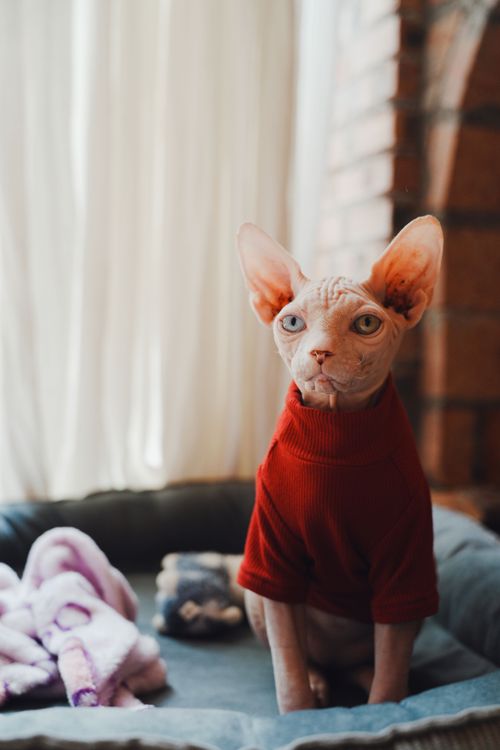
- Myth 3: Cat sweaters are just fashion items. Truth: Sweaters are basic safety gear for indoor temperature regulation in air-conditioned homes.
If you want to build stable daily routines for new adopted pets, you can reference our site guide: A First-Month Care Routine for an Adopted Adult Dog. The low-stress, slow-adjustment logic fully applies to newly homed Sphynx cats.
Step-by-Step Sphynx Skin Care Routine (Low-Stress Home Version)
Sphynx skin accumulates oil, dust, and dead skin cells every single day. Skipping daily light cleaning causes clogged pores, bacterial growth, and persistent body odor. Use this exact routine for healthy skin maintenance.
- Daily 60-second spot wipe: Use unscented, pet-safe wet wipes or warm microfiber cloths. Clean chin, armpits, belly folds, and tail base. This single step cuts bath frequency by 60%.
- Full bath every 7–14 days: Use cat-specific fragrance-free shampoo. Avoid human body wash or dog shampoo. These formulas burn Sphynx sensitive skin.
- Complete post-bath drying: Dry every skin fold thoroughly. Damp trapped moisture causes yeast infections. Keep room temperature above 24°C during and after bathing.
- Weekly ear cleaning: Apply vet-recommended ear cleaner with cotton pads. Never push cotton swabs deep into ear canals. This ruptures delicate inner ear tissue.
- Limit direct window sunlight: Bare skin burns easily through glass. Set up shaded cat beds beside windows to avoid sun damage.
Sphynx Skin Abnormality Judgment Table (Home Check)
| Skin Symptom | Normal Home Care Fix | When to Call Your Vet |
|---|---|---|
| Light surface greasiness | Daily spot wipes + scheduled bathing | No vet visit needed |
| Minor chin blackheads | Switch to stainless steel bowls, increase daily cleaning | No vet visit needed |
| Persistent red patches | Stop all new products, keep skin dry and clean | Lasts over 48 hours — call vet immediately |
| Foul skin odor or crusty lesions | No home remedy works | Emergency vet visit required |
Sphynx Temperature Safety Rules (Indoor Home Protection)
Sphynx cats lack fur insulation. Their body heat escapes rapidly. Standard room temperatures that feel comfortable to humans leave Sphynx cats chronically cold and stressed.
Keep indoor temperature stable at 24°C–28°C (75°F–82°F). Temperatures below 20°C trigger shivering, low energy, and weakened immunity. I once kept my home at 21°C in winter. My Sphynx slept nonstop and refused meals for two days. After I raised the temperature, his energy and appetite recovered fully within 12 hours.
- Block all cold drafts from windows, doors, and AC vents. Drafts cause localized cold stress and respiratory irritation.
- Use fleece beds and breathable cotton cat clothing. Wash these items every 2–3 days. Fabric traps skin oil and bacteria quickly.
- Avoid overheating in summer. Watch for panting and damp skin. Indoor heat stress is common and often overlooked for hairless breeds.
For full seasonal indoor hazard prevention, read our related guide: Indoor Summer Heat Safety for Dogs & Cats.
Breed-Specific Sphynx Nutrition & Product Buying Guide
Sphynx metabolism runs faster than coated cats. They burn more calories to maintain body temperature. Generic cat food fails to support their unique energy and skin health needs.
Food Bowl Material Comparison (Real Owner Test Result)
| Bowl Material | Pros | Cons | Final Verdict |
|---|---|---|---|
| Plastic | Cheap, lightweight | Traps oil and bacteria, worsens chin acne | Never use for Sphynx |
| Ceramic | Smooth surface, easy to clean | Heavy, easy to tip over | Daily use recommended |
| Stainless Steel | Bacteria-resistant, durable | Minor reflection glare | Best overall choice |
Follow these feeding rules strictly:
- Choose high-protein, moderate-fat formulas. Mix premium wet food and kibble to boost hydration and reduce skin inflammation.
- Limit treats strictly. Sphynx always act hungry. Overfeeding causes rapid weight gain, which increases heart and joint strain.
- Wash food and water bowls every day. Dirty bowls are the top hidden cause of feline acne in hairless breeds.
If you struggle to pick reliable food and supplements, check our in-depth guide: How To Tell If Pet Supplement Products Are Actually Worth Buying.
Sphynx Pain & Stress Signal Recognition (Easy Home Detection)
Sphynx cats hide pain well. They do not show obvious physical changes like coated cats. Most owners miss early sickness signs until conditions turn severe.
These are the subtle red flags I track daily for my own Sphynx:
- Less active than usual, prefers hiding alone
- Refuses regular meals but begs constantly (metabolic discomfort)
- Excessive licking of specific skin spots
- Avoids touch on belly or armpit areas
Strict When to Call a Veterinarian Checklist
Contact your vet within 12 hours if your Sphynx has any of these symptoms:
- Skin redness or lesions lasting over 48 hours
- Sudden appetite loss or extreme excessive hunger
- Persistent shivering or panting indoors
- Lethargy, hiding, or no playful response
- Foul skin odor, ear discharge, or repeated scratching
The American College of Veterinary Internal Medicine (ACVIM) confirms: “Sphynx breeds require annual cardiac screening. HCM heart disease develops silently with no early visible symptoms.” Never skip routine breed-specific wellness checks.
Most Common Sphynx Owner Mistakes & Fixes
- Mistake: Over-bathing to reduce oiliness. Fix: Replace excess baths with daily spot wipes. Protect natural skin barriers first.
- Mistake: Ignoring indoor draft risks. Fix: Block vents and window gaps. Use insulated beds year-round.
- Mistake: Using plastic bowls long-term. Fix: Swap to stainless steel immediately and sanitize daily.
- Mistake: Adopting for hypoallergenic benefits without testing. Fix: Always complete in-home allergy trials before permanent adoption.
Build Stable Bond & Low-Stress Daily Interaction
Sphynx cats bond deeper through consistent routine rather than random cuddles or treats. I used to spoil my cat with endless snacks. He became picky and distant. After I switched to fixed daily play and gentle interaction, his trust and affection improved drastically.
- Schedule 10-minute interactive play sessions twice daily. Keep timing fixed for stability.
- Use puzzle feeders for mental stimulation during your work hours.
- Avoid forced petting when your cat hides or avoids contact.
For better human-pet connection strategies, read: Playing With Pets: A Real Owner’s Guide to Building a Truly Close Pet-Owner Bond.
Final Action Tip
Do a full 2-minute Sphynx skin and temperature check every night before bed. This tiny daily habit catches most breed-specific health risks early and keeps your hairless cat comfortable year-round.
Article tag: Sphynx Care, Feline Skin Health, Home Pet Safety, Breed-Specific Nutrition, Pet Behavior & Stress Management