
Daily Pet Care Guides for US Pet Owners
Practical routines for grooming, water, comfort checks, and the household changes that make ordinary care easier to keep up.
Daily care is the work that happens between appointments: filling a water bowl, checking a paw after a walk, brushing a coat before a small tangle becomes a mat, and noticing when an older dog is moving differently. These guides are for ordinary home routines with dogs and cats, including puppies, kittens, adults, and senior pets whose pace or tolerance has changed. The useful question is usually not whether a household can complete every task on a perfect schedule. It is what can be done calmly and repeated often enough to catch a change early. Use the grooming, hydration, mobility, sleep, and evening-routine notes as starting points, then adjust them to the pet in front of you. Home care has limits. Pain, refusal to eat, repeated vomiting, sudden behavior changes, limping, ear discharge, breathing trouble, or any sign that is getting worse calls for veterinary advice rather than another round of routine adjustments.
Hygiene and Grooming
Coat, ears, teeth, and handling without forcing every task at once.

How to Build a Grooming Routine Your Pet Can Actually Tolerate
A low-stress grooming guide for brushing, paws, nails, ears, baths, mats, coat types, and knowing when pain or fear means it is time to stop.
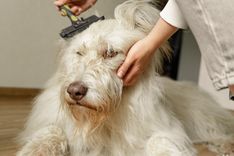
A Low-Stress Weekly Pet Grooming Check for Home Care
A low-stress weekly grooming check for pets that focuses on observation, coat, paws, ears, mouth, and knowing when to stop.
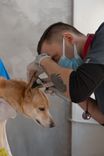
Senior Pet Ear Care: What to Check Before Cleaning at Home
A cautious guide to senior pet ear checks, gentle outer-ear cleaning, warning signs, and when a veterinarian should examine odor, pain, discharge, or repeated scratching.
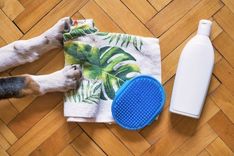
Pet Dental Care Without Turning Tooth Brushing Into a Fight
Dental care works better when pets are introduced gradually, owners watch for mouth pain, and brushing is treated as a skill rather than a wrestling match.
Hydration and Household Routines
Water, evening wind-downs, and small habits that keep ordinary care from slipping.
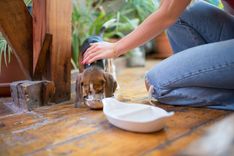
Pet Water Bowl Hygiene Routine for Busy Homes
A practical dog and cat water-bowl routine for families who want cleaner bowls, steadier hydration checks, and fewer guessing games.

A Calm Evening Reset for Dogs Who Get Busy After Dinner
A practical guide to shaping the hour after dinner for dogs who pace, bark, beg, or look for trouble when the household is winding down.

Small Pet Care Habits That Hold Up During Busy Weeks
A practical guide to tiny pet care habits for water, grooming, toys, feeding notes, and home checks that still work when the week gets crowded.
Age and Routine Changes
Useful adjustments for a new adult dog, a puppy, or a dog moving more slowly.

A First-Month Care Routine for an Adopted Adult Dog
The first month with an adopted adult dog works best when the home stays quiet, the routine stays repeatable, and changes are added slowly.

A Puppy Sleep Routine for the First Two Weeks at Home
Puppies sleep better when the first two weeks include predictable bedtime cues, realistic bathroom breaks, safe confinement, and calm responses to fussing.

A Senior Dog Home Routine That Supports Mobility Without Overdoing It
A practical senior dog routine for traction, short walks, pain observation, weight, nails, bedding, recovery time, and home adjustments that preserve comfort.
Daily Signals Worth Noticing
Small observations that help owners explain a change clearly when it matters.

How to Notice Pet Pain Without Guessing From One Symptom
A calm home checklist for spotting possible pain in cats and dogs without turning one odd moment into a diagnosis.
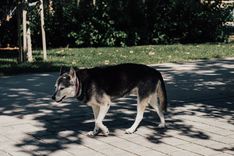
How to Make Dog Walks Safer in Hot Weather Without Skipping Exercise
A heat-aware dog walking guide for timing, pavement checks, route changes, recovery signs, enrichment swaps, higher-risk dogs, and urgent heat warning signs.
New articles appear here after they are assigned to a specific topic group.