
Start with the smallest routine that the pet and household can handle consistently.
- Keep sessions short and predictable
- Watch comfort and stress signals
- Escalate grooming or health concerns to a pro
Safety note: This article provides general household pet safety guidance only. It is not veterinary medical advice, diagnosis, poison-control instruction, or emergency treatment guidance. If a pet swallows a toxic item, foreign object, medication, chemical, battery, string, or sharp object, contact a veterinarian or animal poison control right away.
By Best Pet Care Guide Editorial Team
The first nights with a puppy can surprise even prepared families. The puppy may sleep deeply on the kitchen floor at 7 p.m. and cry at 2 a.m. They may need to go outside, feel lonely, dislike the crate, or simply have no idea what the household expects.
Sleep is not only about getting through the night. It affects house training, bite inhibition, learning, appetite, and the family’s patience. A tired puppy becomes harder to guide, and tired people become less consistent.
For a connected next step, read a first-month care routine for an adopted adult dog and a room-by-room safety walk before bringing home a puppy. They give more detail on the household routines that usually sit beside this decision.
What normal puppy sleep looks like in week one
Puppies sleep a lot, but not always when humans want them to. They may nap after play, wake for bathroom breaks, and fuss when separated. The goal in the first two weeks is not workable quiet. It is a pattern that becomes easier to repeat.
Keep evenings calmer than afternoons. Hard play right before bed can leave a puppy overexcited. Try a bathroom trip, low-key settling, a safe chew, and lights down.
A useful way to think about the first week is “small predictable loops.” The puppy wakes, goes out, eats or plays, goes out again, then rests. When that loop repeats, the puppy has fewer surprises to react to. The household also gets better at spotting the difference between tired fussing, bathroom urgency, and a puppy who is scared by the sleeping setup.
Do not compare one puppy with another too closely. A puppy who came from a noisy litter may miss body contact at night. A puppy who traveled a long distance may sleep heavily the first day and become unsettled on the second. A puppy who is teething, underweight, or recovering from a vaccine appointment may have a different rhythm for a few nights. The routine should be steady, but your expectations can stay flexible.
Bedtime checklist
- last meal early enough for digestion
- water plan appropriate for age and veterinary advice
- final bathroom trip
- safe sleeping area
- soft bedding if the puppy will not chew it
- no cords, socks, or loose items nearby
- alarm for night bathroom trips if needed
Do not rely on the puppy to tell you every time. Young puppies often realize they need to go very suddenly.
Crate, pen, or gated space?
The safest setup is the one that prevents hazards and helps the puppy settle. It should not be chosen only because a book says every puppy must use one method.
Location matters as much as the tool. A crate in a distant laundry room may feel too isolated for some puppies during the first nights. A pen in the middle of a busy living room may be too stimulating. Many families do better by starting the sleep space near the bedroom or just outside it, then moving it gradually if the long-term plan is another room.
If you plan to use a crate, introduce it during the day as well. Toss a treat inside, let the puppy walk in and out, and close the door for very short moments while the puppy is calm. If the only crate practice happens when everyone disappears for the night, the puppy may learn that the crate predicts separation rather than rest.
Responding to night crying
Night crying can mean bathroom need, fear, discomfort, or frustration. Take the puppy out calmly if a bathroom break is likely. Keep it boring. No play, no bright excitement, no long conversation. Then return to the sleeping area.

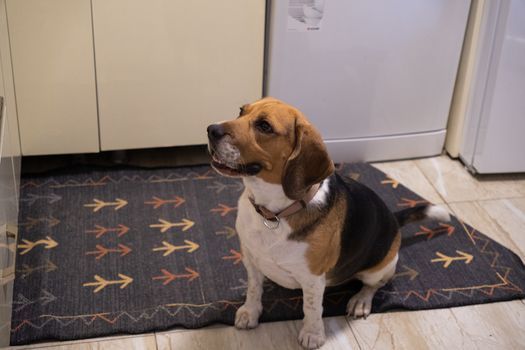
A predictable evening rhythm helps puppies settle. Photo by Justin Thompson on Pexels.
If the puppy is panicking in confinement, do not let the puppy rehearse panic for hours. Adjust the setup. The sleeping area may need to be closer, more open, or introduced more gradually.
The hard part is staying consistent without becoming cold. A calm bathroom break is not the same as turning night waking into a party. If the puppy cries, pause for a moment and listen. A sharp, urgent cry from a very young puppy after several hours of sleep may mean bathroom. Repeated frantic scratching, biting the crate bars, or throwing the body against a barrier may mean the setup is too much too soon.
After a bathroom trip, return the puppy to the same sleep area. If you bring the puppy into bed every time and that is not your long-term plan, the pattern can become confusing. If you decide bed-sharing is the plan, make sure it is safe for the puppy’s size and age, and understand that it may change future sleep expectations.
Common mistake: too much freedom too early
A puppy with the whole house overnight can chew, soil hidden corners, fall, or get into unsafe items. Freedom should grow as reliability grows.
Use barriers as kindness. They reduce the number of bad choices the puppy can practice while everyone is asleep.
Daytime sleep matters too
An overtired puppy may bite harder, ignore cues, race around, or seem wild in the evening. Build daytime naps into the routine. After play, food, training, and bathroom breaks, help the puppy settle.
Children may need clear rules: sleeping puppies are left alone. A puppy who is constantly woken for cuddles may struggle more at night.
Daytime naps also protect learning. A puppy who is overtired may look like they need more training, when they actually need less stimulation. If the puppy starts grabbing clothes, zooming through the room, or biting harder after a busy hour, guide them toward a bathroom break and then a quiet rest period.
This is where a pen or gated space can be useful even for families who do not use a crate overnight. The space gives the puppy a safe place to come down without being followed, carried, or corrected every few seconds. Keep it plain: water if appropriate, safe bedding, one safe chew, and no pile of exciting toys that turns rest time into another play session.
What to track
Track bedtime, night waking, bathroom trips, accidents, and morning energy for one week. If crying always happens at the same time, schedule a bathroom break before it. If accidents happen before midnight, the evening routine may need adjusting.
The evening routine starts before bedtime
A puppy who naps from 6 p.m. to 9 p.m. may be ready to party when people want to sleep. That does not mean keeping the puppy awake with wild play. It means shaping the evening gently: a calm play session, a bathroom trip, a little settling, and then a predictable bedtime.
Avoid turning the last hour into a family event. Too many hands, toys, and voices can make the puppy overtired. Overtired puppies often bite more and settle less.
Bathroom timing without chaos
Young puppies often need night bathroom breaks. Set an alarm before the puppy becomes frantic. Carry or leash the puppy to the same spot, keep lights low, avoid play, praise quietly after success, and return to bed.
If the puppy cries again immediately, consider whether the sleeping area is too isolated or whether the puppy is uncomfortable. If the puppy has diarrhea, vomiting, or cannot settle at all, health may be part of the problem.
The first two weeks are not the time to prove the puppy can “hold it” for a heroic stretch. Young puppies have small bladders and immature control. Plan breaks around age, meal timing, water intake, and what your veterinarian advises. If the puppy repeatedly soils the bed area, the schedule, space size, or health picture needs review.
Keep cleanup boring too. If an accident happens, clean it thoroughly and adjust the plan. Punishment after the fact does not teach the puppy where to go; it mainly teaches the puppy that people become unpredictable around messes. Better timing and easier access to the bathroom spot usually solve more than scolding does.
Helping children understand sleep
Children may want to comfort, play, or check on the puppy repeatedly. Give them a simple rule: when the puppy is in the sleep space, the puppy is resting. They can help with the bedtime checklist earlier, but they should not keep restarting excitement.
This protects the puppy and the household. A puppy who sleeps better is usually easier for children to enjoy the next day.
Give children a job that happens before bedtime: filling the water bowl earlier in the evening if appropriate, choosing the washable blanket, or putting toys away. Then give them a clear finish line. Once the puppy is in the sleep routine, adults handle night waking. This prevents the puppy from receiving a different response from every person in the house.
Decision tree for night waking
If the puppy wakes after a few hours and settles after a bathroom trip, the schedule is probably normal. If the puppy cries immediately after being placed in the sleep area, the setup may be too isolated or unfamiliar. If the puppy wakes repeatedly with diarrhea, vomiting, or distress, call a veterinarian.
If the puppy plays after bathroom trips, make the trip more boring. If the puppy soils the sleeping area, review timing, space size, bedding, and health.
If the puppy sleeps well for three nights and then has a rough night, do not throw out the entire routine. Look for what changed. Was there a late visitor? A skipped nap? A new food? A thunderstorm? A longer evening play session? Puppies can have off nights, and the best response is usually to return to the simple pattern instead of adding five new tactics.
If the puppy gets worse each night, that is different. Escalating distress means the setup, timing, or health picture should be reconsidered. A trainer who uses humane methods or a veterinarian can help you sort out whether the puppy needs a slower confinement plan, more bathroom support, or medical attention.
Budget note: simple sleep tools
A safe sleep setup does not require expensive furniture. A washable bed, a barrier that fits the space, a safe chew, and a predictable routine matter more. If you use a crate, choose the right size and introduce it gently. If you use a pen, make sure the puppy cannot climb or chew unsafe edges.
Spend on safety and cleaning first. Fancy beds can wait until the puppy is less likely to chew bedding.
What to skip during the first two weeks
Skip late-night rough play. Skip letting every family member respond differently to crying. Skip giving the puppy full-house freedom overnight. Skip punishing accidents found in the morning.
The routine should teach the puppy what happens next: bathroom, quiet, sleep, morning.
Related reading for the same problem
For nearby home-safety routines, compare the after-work pet safety reset, the multi-pet home safety system, and the simple night check before pets settle down.
Related reading for the same problem
For nearby daily-care routines, compare the beginner grooming routine, the weekly grooming check, and pain observation without guessing.
Source notes and further reading
-
AVMA: puppy care resources
-
ASPCA: General dog care
Early training: tiny routines beat big tests
Early training works best in short, low-pressure steps. That fits puppy sleep perfectly. A puppy does not need a dramatic bedtime battle. They need a safe place, predictable potty trips, gentle handling, and a household that does not turn every whimper into a full play session.
Treat the first two weeks as setup. Practice entering the sleep area during the day, reward calm moments, keep nighttime potty trips quiet, and adjust the plan if the puppy is panicking rather than settling. Good sleep starts with feeling safe.


