
Check access, storage and escape paths before assuming a familiar room is safe.
- Secure cords, bins and cleaning supplies
- Check plants and small objects
- Plan exits, gates and travel routines
By Best Pet Care Guide Editorial Team
Safety note: This guide is for general household puppy safety. It is not veterinary medical advice, diagnosis, treatment, or poison-control instruction. If your puppy may have swallowed medication, toxic food, a battery, string, a sharp object, a cleaning product, or anything you cannot identify, contact your veterinarian or animal poison control right away. Do not wait for symptoms if the item is known to be dangerous.
Image note: Photos on this page are for demonstration only. Actual puppy safety setup should be adjusted based on pet age, size, home layout, behavior, and veterinary advice.
Article quick overview
Use this guide when you want a practical safety pass before a new puppy comes home. Start with the floor-level test, clear high-risk items first, then repeat the walk after the puppy has settled in and started exploring.
The highest-risk items are usually not expensive furniture. They are ordinary things people drop or leave half-secured: medication, socks, batteries, gum, wrappers, cords, cleaning products, tablecloths, and small toys.
A puppy does not inspect a home the way an adult does. It sniffs, mouths, paws, drags, climbs, and tests whether a moving object turns into a game. That is why a room-by-room safety walk works better than a simple shopping list.
Do the first walk before the puppy arrives, then repeat it after the first week. A sleepy puppy on day one can look harmless. By day seven, the same puppy may be tall enough to reach a coffee table, confident enough to tug a cord, or bored enough to chew a sock.
If you are planning the first few nights at the same time, pair this checklist with a puppy sleep routine for the first two weeks at home. For a wider home reset, use this room-by-room pet safety reset for busy homes once the puppy has settled in.
The 10-minute safety walk
Walk each room with three questions in mind:
- Can the puppy swallow it?
- Can the puppy pull it down?
- Can the puppy reach it next week, not just today?
That third question catches many early mistakes. Puppies grow fast, and confidence changes even faster.
Use this printable quick pass before you do anything detailed:
Print the table or copy it into a notes app. The goal is not to make the home look empty. The goal is to remove the things that can become a medical emergency before training has a chance to work.
Change the setup by puppy age
A tiny eight-week-old puppy and a four-month-old puppy do not create the same risks.
For puppies under 8 weeks, the biggest safety issue is controlled space. They should not have free access to stairs, kitchens, bathrooms, laundry rooms, balconies, or rooms where people drop small objects. Focus on one washable room, a pen, or a gated area.
For puppies from 8 weeks to 4 months, chewing and mouthing become the main problem. Move socks, shoes, charging cords, children’s toys, remotes, and anything with batteries. This is also the age when a puppy may swallow an object simply because a person tried to take it away too quickly.
For puppies from 4 to 6 months, reach and strength change. Coffee tables, sofa arms, low counters, and half-open doors start to matter. Recheck gates, bins, baskets, and shelves that looked safe during the first week.
For large-breed puppies, use the older-age checklist earlier. A tall puppy may reach the edge of a table long before its judgment catches up. For very small breeds, floor hazards remain the bigger risk for longer: pins, pills, wrappers, and crumbs can stay dangerous even when higher surfaces are out of reach.
Young puppy vs older puppy risk differences
This age split is not a medical rule. It is a practical way to avoid using the same home setup for a puppy whose body and behavior are changing every week.
Entryway: control the first burst of excitement
The entryway collects the exact things puppies love: shoes, bags, visitors, delivery boxes, and outside smells. It is also where people are distracted.
Move shoes into a closed closet or a lidded bin before the first day. Hang bags out of reach, especially handbags and backpacks that may hold gum, medication, snacks, cosmetics, or receipts. Sugar-free gum can contain xylitol, a serious toxin for dogs, and the FDA lists xylitol among potentially dangerous items for pets.
Set up a small landing zone: leash, poop bags, towel, and treats on a high shelf. Keep the floor boring. A boring entryway is easier to manage than a puppy that learns guests equal shoe theft.
Living room: cords, batteries, fabric, and low shelves
Living rooms look safe because people spend time there. Look lower.
Remote controls, loose batteries, game controllers, children’s toys, sewing supplies, and decorative objects should move above puppy height. Button batteries and chewed electronics can be dangerous, so do not leave remotes on the floor or sofa edge.
Cover cords where you can. Where you cannot, block them with furniture or keep the puppy out of that corner. Hoping the puppy will ignore cords is not a plan. It only works until boredom, teething, or a dangling cable makes the cord interesting.
Roll up rugs with fringe for the first few weeks. Move throw blankets and pillows if the puppy drags fabric. If the sofa is off limits, decide that before the puppy practices jumping on it. Management is easier before a habit forms.
Kitchen and dining area: food risk is not only chocolate
The kitchen deserves a stricter setup than the living room. Puppies can reach trash, dropped food, plastic wrap, bones, dish towels, dishwasher pods, and hot surfaces.
Gate the kitchen during cooking if the puppy cannot settle. Keep trash and recycling behind a closed door or use a bin the puppy cannot tip. Store bones, skewers, corn cobs, foil, plastic wrap, and food packaging where the puppy cannot reach them. These items can cause choking, stomach irritation, or obstruction.
Human foods also need care. The ASPCA maintains resources on poison control and common pet toxins, and the FDA warns that some ordinary foods and household items can be dangerous for pets. Do not rely on memory while cooking. If a food is questionable, keep it away from the puppy and check a veterinary source.
Dining areas have their own traps. Tablecloths can be pulled. Chair legs are chewable. Food under the table teaches scavenging. Clean the floor after meals, then remove the puppy from the area before guests sit down with plates.
If you rent, use removable barriers and storage changes first: closed bins, high shelves, freestanding gates where they fit safely, and a temporary kitchen boundary during cooking. If children live in the home, add a toy reset before meals and bedtime. A child’s small toy can become a puppy swallowing risk in seconds.
Bathroom and laundry: small rooms, high-risk objects
Bathrooms create risk because dangerous objects are small. Move medication, razors, dental floss, cotton swabs, cosmetics, hair ties, cleaning products, and trash out of reach. Keep the toilet lid closed if the puppy is curious about water.
Medication deserves its own rule: never store it in a low drawer, nightstand, open bag, or bathroom bin. A closed bottle is not enough if the puppy can chew the bottle.
Laundry rooms need a closed-door habit. Socks and underwear can be swallowed. Detergent pods and dryer sheets should be stored securely. Keep washer and dryer doors closed, and check appliances before use if the room is accessible. A front-loading appliance can look like a hiding place to a small animal.
Bedrooms and office: the danger is what people drop when tired
Bedrooms are where safety plans often fail because people are tired. Phone cords, earplugs, glasses, retainers, jewelry, slippers, tissues, books, and medication gather beside beds.
Clear the floor before the puppy’s first night. Put a closed bin near the bed if you normally drop clothes there. Keep chargers behind furniture or in a cable sleeve. If the puppy sleeps nearby, make the area boring enough that it does not become a midnight treasure hunt.
In a home office, check paper clips, staples, pens, rubber bands, thumb drives, and cable nests. If you work from home, decide where the puppy will be during calls. A safe pen with a chew toy is kinder than letting the puppy wander until you have to interrupt a meeting.
Plants, balconies, stairs, and doors
Check every plant by name. The ASPCA’s toxic and non-toxic plant database is a useful starting point, but plant names can be confusing. If you are not sure what a plant is, move it out of reach until you can identify it.
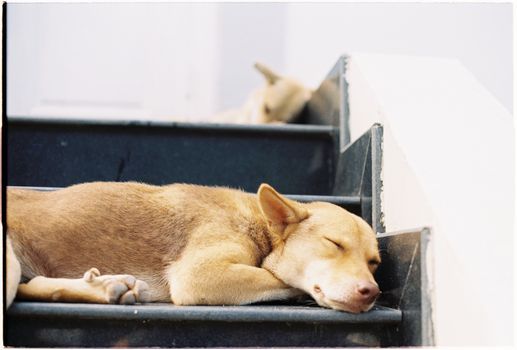
Stairs need gates that fit tightly. Balconies need a gap check from puppy height. Doors need a household rule: one hand on the leash or collar before the door opens. A puppy that bolts once may learn the door is part of a game.
For renters, use temporary barriers where drilling is not allowed. For homes with small children, assume toys will reach the floor. Build a toy basket routine for the child and a closed-door routine for the puppy. Do not expect either one to remember every time.
Recheck these areas after growth spurts. A gate that worked for a small puppy can become a climbing challenge later, and a balcony gap that looked harmless from adult height may be too wide at puppy height. If a barrier is loose, wobbly, or easy to push, treat it as temporary until it is replaced or reinforced.
First-week recheck
The first safety walk is a draft. The puppy will edit it for you.
After three to seven days, walk through the home again and look for evidence:
- tooth marks on furniture, baskets, shoes, or cords
- moved rugs, blankets, shoes, or towels
- repeated interest in trash, laundry, plants, or doors
- rooms where the puppy becomes overexcited
- times of day when supervision is weakest
Write short notes. Not workable notes. Useful notes.
Example:
This small record helps you fix the home before a habit becomes rehearsed.
10 common puppy-proofing mistakes
- Trusting the first quiet day. A tired puppy may ignore cords, shoes, and stairs on day one.
- Leaving laundry accessible because socks feel harmless to people.
- Letting the puppy clean crumbs from the floor, which teaches scavenging.
- Forgetting bags and backpacks that may hold gum, medication, snacks, or cosmetics.
- Moving hazards to a low shelf instead of behind a closed door.
- Assuming a baby gate is safe without checking fit, height, and climbing behavior.
- Ignoring tablecloths, towels, curtains, and blanket edges that can be pulled down.
- Leaving remotes, batteries, small toys, and craft supplies on low surfaces.
- Treating plants as safe before identifying the exact plant.
- Failing to repeat the safety walk after the puppy grows, jumps, or gets more confident.
None of these mistakes means the home is careless. They are common because normal household routines were built for people, not for a puppy that explores with its mouth.
A practical closing rule
If an object is small enough to swallow, interesting enough to chew, or loose enough to pull down, move it before the puppy arrives. Training matters, but training takes time. Household setup protects the puppy while learning is still messy.
Add a kitten version of the room walk
Kittens need the puppy checklist plus vertical-space checks. Look for blind cords, open windows, unstable shelves, houseplants, string, ribbon, sewing supplies, rubber bands, foam, and tiny gaps behind appliances. A kitten can reach hazards by climbing before a puppy could reach them from the floor.
For mixed puppy-and-kitten homes, secure both levels: floor hazards and high-perch hazards.
Room hazard priority levels
This priority system helps owners with limited time handle the risks that matter first.
Ingestion emergency steps
If a pet swallows medication, toxin, string, battery, sharp object, chemical, or unknown material, move the pet away from the item, save the packaging if available, and call a veterinarian or animal poison-control resource. Do not induce vomiting unless a professional tells you to. For US readers, ASPCA Animal Poison Control is a key reference; UK and EU readers should use local emergency veterinary services.
Related reading for the same problem
For nearby home-safety routines, compare the after-work safety reset, the multi-pet home safety system, and the simple night check.
Source notes and further reading
- ASPCA Animal Poison Control Center: Animal poison-control guidance
- FDA: Potentially dangerous items for your pet
- AVMA: First aid tips for pet owners


