
Pet Home Safety Guides for US Pet Owners
Room checks, travel preparation, and household routines that help catch ordinary hazards before they become an emergency.
Home safety is mostly a matter of noticing what changes when people are busy. A new shelf creates a climbing route, a dropped pill can disappear under a cabinet, a guest leaves a door open, and a cleaning product sits within reach for only a few minutes. These guides walk through rooms, travel days, overnight stays, introductions, toys, furniture, weather, and cleaning routines with dogs and cats in mind. They are useful for new-pet households as well as homes that have recently changed. Look at the room from the pet's height, remove access to the hazard, and decide what barrier or storage habit will keep the fix in place tomorrow. Safety advice has a clear limit: do not wait for a home checklist when a pet may have swallowed something toxic, is struggling to breathe, has collapsed, is repeatedly vomiting, or cannot urinate. Contact an emergency animal hospital or an appropriate poison-control resource and follow professional instructions. Routine preparation helps, but it does not replace urgent care.
Room Checks
Build a quick scan around doors, bags, cords, food, and small objects.
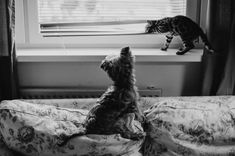
A 10-Minute After-Work Pet Safety Reset for Busy Homes
A focused after-work reset for checking bags, food scraps, doors, charging cords, and tired-evening hazards before pets start exploring.
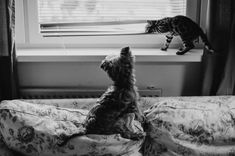
A Multi-Pet Home Safety System for Busy Families
A home safety system for multi-pet, kid-friendly, renter, and shared households where room rules must survive real daily traffic.

A Room-by-Room Safety Walk Before Bringing Home a Puppy
Puppy-proofing works best when you inspect each room from the puppy's height, remove tempting hazards, and plan barriers before the first busy week.
Guests and Travel
Prepare for car rides, overnight stays, and hand-offs before the day gets busy.

Preparing a Dog for Car Rides Without Making Every Trip Stressful
Car rides are easier when owners separate motion sickness, fear, restraint, heat safety, and gradual practice instead of treating every problem as disobedience.

How to Check a Guest Room Before a Pet Stays Overnight
A room-by-room checklist for making a temporary pet sleeping space safer before travel, family visits, or overnight guests.
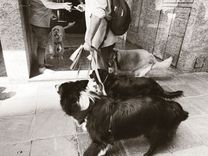
How to Set Up a Calm Pet Care Hand-Off for Travel Days
A practical hand-off plan for pet sitters and family caregivers covering routines, food, doors, medication notes, and observation logs.
Cleaning and Household Changes
New furniture, cleaning days, and family routines can create new risks.
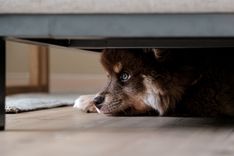
A Weekend Pet Safety Reset For Homes With New Furniture
New sofas, rugs, shelves, and storage bins can change how pets move through a home. Use this room-by-room reset before small hazards become daily annoyances.
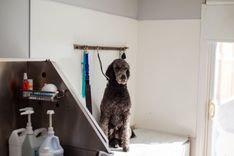
How to Create a Low-Stress Cleaning Day Around Pets
A room-by-room cleaning day plan that keeps cats and dogs away from fumes, wet floors, loud tools, and open doors.
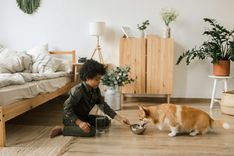
Safer Home Rules for Kids and Dogs Before Problems Start
Children and dogs need clear home rules before trouble starts, including protected rest spaces, supervised contact, and simple signals adults agree to respect.
Chews and Household Items
Check chew choices and end-of-day hazards before they become an emergency.
How to Choose Safer Chews and Toys Before Your Pet Gets Bored
Safer chews and toys depend on size, chewing style, supervision, material, and when to throw items away rather than buying whatever looks cute.
A Simple Night Check Before Pets Settle Down
A practical evening routine for checking food, water, doors, litter boxes, heat, toys, and small household hazards before dogs or cats settle for the night.