Check access, storage and escape paths before assuming a familiar room is safe.
- Secure cords, bins and cleaning supplies
- Check plants and small objects
- Plan exits, gates and travel routines
Safety note: This article provides general household pet safety guidance only. It is not veterinary medical advice, diagnosis, poison-control instruction, or emergency treatment guidance. If a pet swallows a toxic item, foreign object, medication, chemical, battery, string, or sharp object, contact a veterinarian or animal poison-control resource right away.
Start with the new-room risks
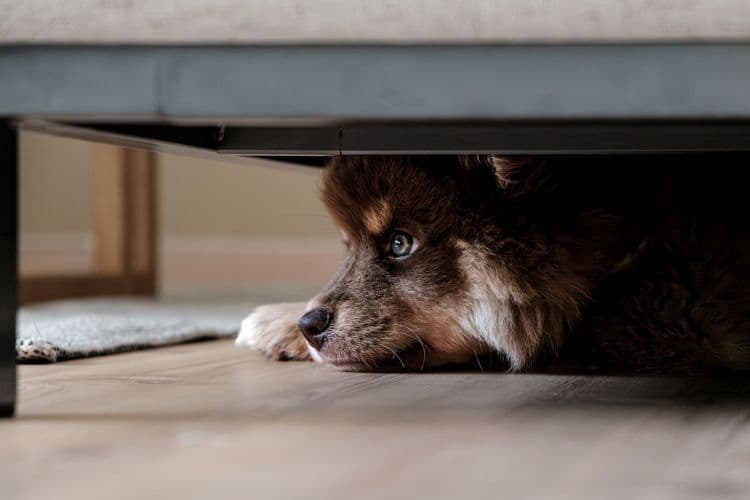
New furniture changes the room before a pet understands the change. Check tip-over risk, drawer access, gaps behind furniture, slick rugs, loose hardware, packing foam, plastic wrap, staples, scent changes, and new routes to windows or counters. Anchor tall furniture where needed and block gaps where a nervous pet could wedge themselves.
Use this page for furniture, moving, renovation, major rearranging, and seasonal room changes. Each change alters pet routes, hiding spots, jump paths, smells, sound, and access to hazards. Walk the room again instead of assuming the old safety plan still applies.
Room-by-room reset after furniture arrives
In the living room, check sofa gaps, reclining chairs, lamp cords, table corners, loose throws, and whether a pet can jump from new furniture to a window ledge. In bedrooms, check under-bed gaps, wardrobe doors, laundry baskets, and bedside medication. In kitchens or dining areas, check tablecloths, chair legs, floor protectors, and whether a curious pet can now reach counters.
For cats, look upward: shelves, blinds, curtain cords, unstable bookcases, and new perches near windows. For dogs, look at chew height: wood legs, fabric corners, packing scraps, shoes moved during assembly, and reachable trash.
Air quality and material concerns
New furniture, paint, adhesives, flooring, and stored renovation materials can create odors or residues that irritate some pets. Ventilate rooms, keep pets away from active work areas, store chemicals securely, and watch for coughing, sneezing, watery eyes, vomiting, weakness, or unusual hiding. Contact a veterinarian if signs are significant or persistent.
Do not let pets chew packing foam, plastic wrap, wood scraps, or loose hardware.
Cat scratching protection for new furniture
For cats, new fabric can become a scratching target because it changes scent, texture, and room routes. Place a stable scratcher beside the new sofa before the cat tests the furniture, not after the first damage. Match the texture if possible: cardboard near fabric edges for some cats, sisal or a tall post for cats who stretch upward, and an angled scratcher for seniors.
Use temporary washable covers or furniture guards while the new scratching station becomes familiar. Avoid yelling, spraying, sticky traps that frighten the cat, or painful deterrents. If scratching rises along with hiding, urine marking, conflict, or reduced appetite, treat the furniture change as a stress trigger and review the room layout.
Moving and renovation version
During moving or renovation, use a closed pet room or off-site care when doors stay open, tools are out, or strangers move through the house. Keep carriers, leashes, litter, food, medication, and emergency contacts away from stacked boxes. Label pet supplies so they do not vanish into storage.
After work ends, check for nails, staples, blades, insulation, paint chips, adhesive, solvent containers, dust, and loose cords before pets return to the area. A quick vacuum is not enough if small hardware or chemicals were used.
Three-day behavior observation
For the first three days after a room change, note appetite, sleep, litter or bathroom habits, hiding, pacing, scratching, and conflict between pets. A cat may scratch a new sofa because the room layout changed. A senior dog may avoid a slick new rug. Tie this page to pain observation and sofa scratching when those signs appear.
Senior pets and multi-pet households
Senior pets need traction and predictable routes after a room changes. A new rug can slide, a raised bed can be too high, and a moved water bowl can be hard to find at night. Add low steps, stable mats, and a night light before asking an older pet to relearn the room.
Multi-pet homes need a conflict check. New furniture can remove an escape route, narrow a hallway, block a litter box, or create a prized perch. Keep food, litter, resting spots, and hiding places spread out so one pet cannot control the new layout.
New furniture safety acceptance checklist
The checklist replaces a generic recheck table because furniture changes create specific risks: tipping, trapping, chewing, odor, slipping, and stress.
Before the room is fully reopened, do one slow pass at pet height. Tug gently on bookcases and narrow cabinets to see whether they need anchoring. Check whether recliners, sleeper sofas, and storage benches can trap a pet. Look for staples, screws, silica packets, plastic ties, and foam pieces under cushions and rugs. Then walk the normal pet routes: door to water, bed to litter box, crate to exit, sofa to window. A room can look finished to people and still be confusing or risky for a pet.
For the first weekend, keep the rules boring. Do not add a new chew, a new bed, a new room layout, and guests on the same day if your pet is already cautious. Let pets inspect the changed room in short sessions, then give them an old resting place that still smells familiar. If a pet hides, scratches, paces, guards a new perch, or avoids the room, treat that as feedback about the setup rather than stubbornness.
The 72-hour recheck
Some furniture problems appear after the first excited sniffing session. Recheck the room after one night, after the first full day, and again after the weekend. Look for new chew marks, loose rug corners, shifted barriers, scratched fabric, clawed cardboard, missing small parts, and new hiding spots behind furniture. Check whether water and litter access still work when people are using the room normally.
This is also the time to watch household traffic. A coffee table may create a tight path between a dog bed and the door. A new chair may block a cat’s easy route to a perch. A side table may put medication, candles, snacks, or charging cords within reach. The first pass catches obvious hazards; the 72-hour recheck catches the way the room is actually being used.
When to keep the room closed
Keep the room closed longer if paint, glue, cleaners, loose hardware, unstable furniture, exposed cords, or strong odors are still present. Also close it if a pet is obsessively chewing, hiding behind heavy furniture, guarding the new space, or repeatedly trying to climb an unsafe route. Reopen the room in supervised sessions after the obvious hazard is fixed.
A short delay is safer than reopening a risky room too early.
If several people care for the pet, leave a quick note on the door or in the family chat: room closed, cords exposed, glue drying, new rug slipping, or cat hiding behind the cabinet. Small hand-offs prevent someone from opening the room because they did not know the reset was still in progress.
Related reading for the same problem
For nearby home-safety routines, compare the after-work safety reset, the multi-pet home safety system, and the simple night check.
Source notes and further reading
- ASPCA Animal Poison Control Center: Animal poison-control guidance
- FDA: Potentially dangerous items for your pet
- AVMA: Household hazards


