bestpetcareguide.comHousehold routines, behavior notes and safety checks
Routine care note
How to Build a Grooming Routine Your Pet Can Actually Tolerate
A low-stress grooming guide for brushing, paws, nails, ears, baths, mats, coat types, and knowing when pain or fear means it is time to stop.
Care note
Start with the smallest routine that the pet and household can handle consistently.
Routine Checklist
Keep sessions short and predictable
Watch comfort and stress signals
Escalate grooming or health concerns to a pro
Safety note: This article provides general household pet safety guidance only. It is not veterinary medical advice, diagnosis, poison-control instruction, or emergency treatment guidance. If a pet swallows a toxic item, foreign object, medication, chemical, battery, string, or sharp object, contact a veterinarian or animal poison control right away.
By Best Pet Care Guide Editorial Team
Many pets dread grooming because owners wait until something needs to be done. The nails are too long, the coat has mats, the dog rolled in something foul-smelling, or the cat has loose hair everywhere. By then, the session is not practice. It becomes an urgent, stressful event.
A better grooming routine is shorter and less stressful. It teaches the pet that being touched, brushed, checked, and cleaned does not always predict a long struggle. The goal is not to turn every owner into a professional groomer. It is to make ordinary handling easier and to notice problems earlier.
Use the table as a starting point, not a rulebook. If one row regularly causes fear or pain, shrink that task until it becomes only a few seconds of calm handling.
Step-by-step handling before grooming tools
Use this short sequence before clippers, brushes, shampoo, or ear cleaner appear. Keep each step brief and end before the pet struggles:
Touch one low-stress area, such as the shoulder, and stop.
Touch one paw briefly, reward calm behavior, and stop.
Lift an ear flap for one second, praise calmly, and stop.
Run your hand along the tail, chest, belly, and legs without trying to finish a task.
This turns grooming into small practice sessions instead of one long deadline.
Short sessions matter because pets remember how the session ends. If every practice ends with restraint, panic, or someone saying “just one more,” the pet learns that early warning signs do not work.
Stop while the pet is still calm. That builds trust faster than forcing yourself to finish the entire task.
Body language that means slow down
turning the head away repeatedly
lip licking or sudden yawning
tucked tail or stiff posture
flattened ears
growling, swatting, or hard staring
trying to leave
freezing instead of relaxing
Do not wait for a bite or scratch before taking those signals seriously.
Match the brush to the coat type
Brushing is not one activity. A slicker brush, comb, rubber curry, undercoat rake, and soft bristle brush all feel different and do different jobs. The wrong tool can pull, scratch, or make brushing useless.
For short coats, a rubber curry or soft brush may remove loose hair without much pressure. For medium or long coats, a comb can help find tangles before they become mats. Thick undercoats may need specific tools, but overusing them can irritate skin or damage coat.
Do not attack a mat with force. Tight mats can pull skin and may hide irritation underneath. Cutting mats with scissors is risky because skin can fold into the mat. If a mat is tight, close to the skin, widespread, or painful, a professional groomer or veterinarian is a safer choice.
Brush and tool matching table
The right tool is the one the pet can tolerate and the coat actually needs. Rougher grooming is not better grooming.
Make nail care a weekly check
Photo for demonstration only. Actual pet care setup should be adjusted based on pet age, health, behavior, home layout, and veterinary advice. Copyright belongs to the respective photographer and is used under the source license.
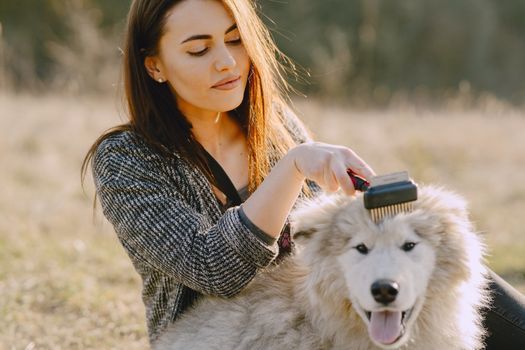
The right tool should match the coat rather than pulling or scraping. Photo by Gustavo Fring on Pexels.
The photo above shows a calm brushing setup, with the tool kept close to the coat and the session focused on tolerance rather than speed.
Nail trims become harder when they happen only after nails are already too long. A weekly paw check lets you see which nails are growing, whether dewclaws need attention, and whether the pet is developing sensitivity. The American Veterinary Medical Association recommends using reliable veterinary guidance for routine pet care decisions, especially when pain, behavior changes, or injury may be involved.
For many pets, the first goal is not trimming. It is touching the paw, separating toes gently, and showing the clipper or grinder without using it. Reward calm moments. If the pet pulls away, reduce the difficulty. Touch the shoulder, then the leg, then the paw over several sessions.
Common mistake: changing tools during a bad session
If a pet is already worried, switching from clippers to a grinder may not solve the problem. The sound and vibration can add a new fear. Introduce any tool separately, when no actual trim is planned.
Check ears without over-cleaning
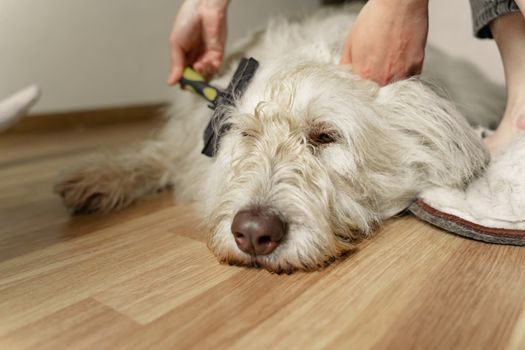
Paw handling practice can happen before any actual nail trim is attempted. Photo by Yaroslav Shuraev on Pexels.
The image shows the kind of low-pressure paw contact that can be practiced before any clipper or grinder is used.
Ear checks are useful, but ears do not need random cleaning every week just because a bottle says “routine.” VCA Animal Hospitals and other veterinary sources generally treat odor, discharge, swelling, pain, and repeated head shaking as reasons to ask for professional advice rather than simply cleaning more often.
Look for redness, swelling, odor, discharge, head shaking, or obvious pain. Those signs should be discussed with a veterinarian rather than covered up with repeated cleaning.
Introduce tooth brushing separately
Dental care is similar. Tooth brushing can help many pets, but it has to be introduced slowly. Start by touching the lips, then the gums, then using a pet-safe toothpaste on a finger or brush. Human toothpaste is not appropriate for pets. Cornell’s Feline Health Center gives a useful example of how gradual tooth-brushing practice can be introduced for cats without turning the process into a wrestling match.
Dental chews and diets may help in some cases, but they do not replace veterinary dental care when there is pain, loose teeth, heavy tartar, swelling, or bad breath that suddenly worsens.
Do not bathe more than the pet needs
Bathing depends on species, coat, skin, lifestyle, and medical needs. Some dogs need occasional baths because they swim, roll, hike, or have skin conditions. Many cats rarely need bathing unless they cannot groom themselves, got into something unsafe, or have a veterinary reason.
Use pet-appropriate shampoo and rinse thoroughly. Leftover shampoo can irritate skin. Keep water lukewarm, around 90-100°F (32-38°C) for many household bath setups, protect the ears from direct water flow, and use a non-slip surface. A slippery tub can scare a pet before the bath even begins.
When to use a professional
Professional grooming is not only for fancy haircuts. It can be the safest option for difficult coats, heavy mats, pets with pain, pets that panic, and owners who are unsure about nails or sanitary trims. A good groomer can also help set a realistic maintenance schedule.
Veterinary help is needed when grooming reveals skin wounds, parasites, ear pain, lumps, sudden sensitivity, or behavior that suggests the pet may bite from fear or pain. Sedation or medical grooming should only be handled by veterinary professionals when needed.
Troubleshooting example: a pet that hates brushing
A common problem is the pet who walks away as soon as the brush appears. In that case, do not begin with brushing. Put the brush on the floor, let the pet sniff it, offer a small reward, and put the brush away. Later, touch the shoulder with your hand, then with the back of the brush, and stop. Actual brushing comes after the tool no longer predicts a long session.
This small desensitization sequence is slower than forcing one full brushing session, but it gives nervous pets a clearer path to success.
A simple grooming observation log
For one week, write down only what you can observe:
Which body area did the pet tolerate best?
Which tool caused the first stress signal?
How long did the pet stay relaxed before turning away?
Did treats, a quieter room, or a different surface change the response?
The point is not to grade the pet. The point is to stop guessing. If the notes show that the pet accepts shoulder brushing but panics at paw handling, the next session should stay near the shoulder and leg instead of jumping straight to nails. If the notes show sudden sensitivity in a normally calm pet, that is a reason to pause and consider veterinary advice.
Start with tolerance, not tools
A pet who cannot tolerate being touched calmly will not suddenly tolerate a brush, nail clipper, ear cleaner, dryer, or bath. Begin with short handling sessions when nothing needs to be finished. Touch one paw, lift one ear flap, run your hand along the side, then stop while the pet is still calm.
The stopping point matters. If every grooming session ends only after the pet fights, hides, or snaps, the routine teaches dread. End early enough that the next session can start easier.
Match the session to the coat
A grooming routine should fit the coat you have, not the tool that looked useful online.
Mats, ears, and nails have stop signs
Do not cut tight mats with scissors at home. Skin can hide inside the mat, and a small slip can cause a serious wound. Do not dig cotton swabs deep into ears. Do not keep trimming nails after bleeding, panic, or repeated pulling away.
Stop and use a veterinarian or professional groomer when there is pain, swelling, odor, discharge, bleeding, severe matting, sudden sensitivity, or a pet who cannot be handled safely. A calmer routine is partly knowing when the home session is no longer the right setting.
A weekly grooming map
Split care across the week:
Monday: two-minute brushing.
Wednesday: paw touch and nail look.
Friday: ears and skin check, no deep cleaning.
Weekend: longer coat session or bath only if needed.
Use this page to build tolerance, choose simple tools, and stop before the pet panics. The weekly check article is better for tracking changes once handling is easier.
Desensitization by stress level
A mildly unsure pet may start with a brush visible nearby, then one gentle stroke. A fearful pet may need several days of touching the tool, receiving a treat, and stopping. A pet with a bad grooming history may need a groomer or veterinarian involved before home sessions.
Do not force a full bath, nail trim, ear clean, and brush-out into one session. Tolerance grows when the pet can recover and predict what happens next.
Keep safety tied to grooming
Keep this safety check grooming-specific: non-slip footing, good light, tools stored away from chewing, blades and scissors closed, and no trimming painful mats close to skin at home. Use the home-safety articles for broader room hazards.
The grooming lesson that applies beyond fluffy coats
Breed-specific grooming advice still points to a broader lesson: coat type decides the tool, and skipping routine care makes the next session harder. A thick double coat needs different handling than a smooth coat, and a cat with tangles needs a slower plan than a dog who enjoys brushing.
Home grooming should be a short tolerance-building routine, not a rescue mission after mats, overgrown nails, or ear odor appear. If brushing hurts, the tool is wrong, the session is too long, or there may be a skin or coat problem that needs professional help.
This article is general pet care education for US pet owners. It is not veterinary medical advice, diagnosis, treatment, nutrition planning, poison-control instruction, emergency guidance, or a substitute for a qualified behavior professional.
Do not delay professional care because of anything on this page. If your pet may have swallowed a toxin, medication, battery, string, sharp object, chemical, or unknown material, or shows severe distress, breathing trouble, collapse, inability to urinate, repeated vomiting, severe pain, or sudden weakness, contact a veterinarian, emergency clinic, or animal poison-control resource right away.
This page does not contain sponsored placements, affiliate shopping links, paid reviews, or brand-provided product samples. If commercial links are added later, they should be disclosed clearly near the relevant link or product section.