
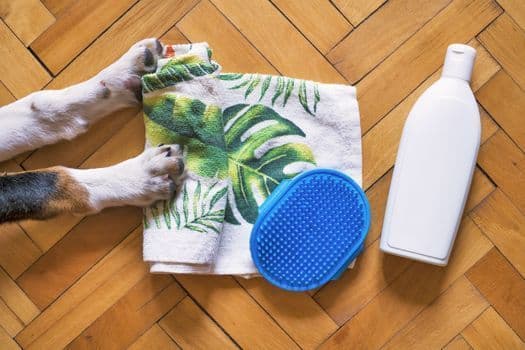
Start with the smallest routine that the pet and household can handle consistently.
- Keep sessions short and predictable
- Watch comfort and stress signals
- Escalate grooming or health concerns to a pro
By Best Pet Care Guide Editorial Team
If your dog is already five, seven, or twelve years old and has never had a toothbrush near their mouth, you have not missed some magical deadline.
You may have missed the easiest window. Puppies often accept weird handling more readily when everything is new. But older dogs can still learn mouth care, as long as you treat it like a new skill rather than a chore you suddenly need to finish tonight.
This article is general pet care education, not veterinary dental advice. If your pet has bleeding gums, loose teeth, swelling, strong mouth odor, drooling, one-sided chewing, dropping food, pawing at the mouth, or sudden food refusal, pause home brushing and call your veterinarian. Brushing can support dental care. It cannot fix a painful mouth.
For nearby handling routines, compare the grooming routine your pet can tolerate and how to notice pet pain without guessing from one symptom.
It Is Usually Not Too Late to Start
The best time to introduce brushing is early, often during puppyhood once adult teeth are coming in. That does not mean adult dogs are out of luck.
The catch is cooperation. An adult dog who has never had a lip lifted or a finger near the gumline may be confused, annoyed, or genuinely worried. The first goal is not a clean mouth. The first goal is a dog who can handle one tiny step without leaving the room.
Start with the cheek. Touch the outside of the muzzle for one second and stop. If that is easy, lift the lip for half a second. Then stop again. A few calm seconds today are more useful than a forced full-mouth brushing that makes tomorrow impossible.
Why Brushing Matters
Dental disease is common in adult dogs. Plaque can harden into tartar, gums can become inflamed, and painful teeth may change how a dog eats, plays, or accepts touch. Home brushing helps because it targets plaque before it turns into a bigger problem.
It is not a replacement for veterinary dental care. A toothbrush cannot examine below the gumline, treat loose teeth, remove established dental disease, or tell you whether pain is hiding behind a polite dog who still eats dinner.
That is why the home plan works best in two lanes:
- gentle daily or weekly practice when the mouth seems comfortable
- veterinary checks when odor, pain, bleeding, swelling, or eating changes appear
Those lanes should not compete with each other.

What You Actually Need
You do not need a drawer full of dental gadgets to begin.
Use pet-safe toothpaste. Human toothpaste is not appropriate for dogs or cats. Many human products contain ingredients pets should not swallow, and pets cannot rinse and spit the way people do.
For the tool, choose the softest option your pet will tolerate. That might be a pet toothbrush, a finger brush, gauze wrapped around a finger, or simply a tiny amount of toothpaste used during the first handling sessions. A small dog may need a smaller brush head than a large dog. A cat may need something even smaller and much shorter sessions.
Do not start with the tool that looks most efficient. Start with the tool that keeps the pet relaxed.
The Slow Start That Works Better
Here is a realistic first month for a dog who dislikes mouth handling.
During the first few days, do not brush at all. Touch the cheek, lift the lip briefly, reward calm behavior, and stop. If the dog pulls away, make the next session easier.
After that, introduce the toothpaste as a smell and taste. Let the dog lick a tiny amount from your finger. No brushing yet.
Once the dog accepts lip lifts and toothpaste, touch one front tooth with your finger or soft tool. Just one. Stop while the dog is still calm.
Only then should you begin working along more teeth. The side teeth often need more time because the hand position feels stranger and the dog may be less comfortable with the mouth being handled there.
This is the opposite of the usual rushed plan. That is the point.
If Your Pet Hates Toothbrushing
Do not hold the mouth shut. Do not chase the pet with the brush. Do not wait until bedtime when everyone is tired and then try to win a wrestling match.
Make the next step smaller.
If the toothbrush is the problem, go back to toothpaste on a finger. If toothpaste is the problem, go back to cheek touch. If cheek touch is suddenly a problem, ask whether the mouth might be painful.
The line between training resistance and dental pain is not always obvious at home. A dog who flinches, growls, drools, drops food, chews on one side, or backs away from a bowl needs a veterinary check before you keep practicing.
Where Chews and Additives Fit
Dental chews, water additives, wipes, and dental diets can support a plan for some pets, but they are not all equal. They also do not replace brushing or veterinary exams when disease is present.
Be careful with very hard chews. If an item is so hard that it does not give under pressure, ask your veterinarian whether it is suitable for your dog. Hard objects can damage teeth, especially in dogs who chew aggressively.
Add one product at a time. If you change treats, chews, toothpaste, and food in the same week, you will not know what helped, what upset the stomach, or what the pet refuses.
A Simple Weekly Rhythm
Daily brushing is ideal for many dogs once they accept it. For a pet who is new to mouth care, aiming for perfect daily brushing on day one can backfire.
Start with a rhythm you can actually repeat. Two or three tiny sessions a week are better than one dramatic full-mouth attempt followed by avoidance for a month.
Pair it with something predictable: after an evening walk, before a bedtime treat, or during a quiet moment when other pets are not crowding the room. Keep the supplies in one pouch so you are not searching for toothpaste while the dog is already nervous.
Progress may look unimpressive. A lip lift without tension is progress. One brushed canine tooth is progress. A dog returning for a treat afterward is progress.
Stop Before Brushing Becomes Unfair
Stop and call your veterinarian if you notice bad breath that suddenly worsens, bleeding gums, swelling, drooling, loose teeth, pawing at the mouth, food refusal, dropping kibble, or one-sided chewing.
For cats, also take sudden drooling, jaw chattering, hard-food refusal, or backing away from food seriously. Cats often hide mouth pain until it is hard to ignore.
Home care should make the mouth easier to maintain. It should not ask a pet to tolerate pain.
Source Notes and Further Reading
- AVMA: Pet dental care
- American Veterinary Dental College: animal owner resources
- Veterinary Oral Health Council: accepted dental products
- Cornell Feline Health Center: brushing your cat’s teeth


