bestpetcareguide.comHousehold routines, behavior notes and safety checks
Food and feeding note
How to Read a Pet Food Label Without Getting Pulled Into Marketing
A flagship guide to reading pet food labels in the right order: life stage, adequacy statement, calories, feeding directions, ingredients, claims, and veterinary red flags.
Care note
Use life stage, body condition and veterinary guidance before trusting package claims.
Nutrition Checklist
Match food to life stage
Measure treats and extras
Ask a veterinarian about medical diets
Safety note: This article provides general pet nutrition education only. It is not veterinary medical advice, diagnosis, treatment, or a diet prescription. Contact a veterinarian before changing food for puppies, seniors, pregnant pets, pets with chronic disease, or pets with vomiting, diarrhea, weight loss, refusal to eat, or suspected toxin exposure.
By Best Pet Care Guide Editorial Team
Pet food labels are built to attract people before they feed animals. The front of the bag may mention real meat, ancient grains, indoor formulas, sensitive stomachs, wild flavors, or clean ingredients. Some of those phrases may describe the product accurately. They can also distract from the parts of the label that help you decide whether the food fits the pet in front of you.
A useful label-reading routine starts in a less exciting place: life stage, nutritional adequacy, feeding directions, calorie content, and how your pet is actually doing on the food. The goal is not to become a nutritionist in the pet store aisle. It is to ask better questions and avoid switching foods based only on marketing language.
Use this order before comparing front-of-bag claims:
Life stage or nutritional adequacy statement
Calorie information
Feeding directions
Ingredient list
Manufacturer contact details
Your pet’s body condition, stool, coat, appetite, and medical history
What each label section can and cannot tell you
Start with life stage
Puppies, kittens, adult pets, pregnant or nursing animals, and seniors do not all have the same needs. A food meant for growth may not be the right everyday choice for a healthy adult pet. A product labeled for adult maintenance may not be appropriate for a growing puppy or kitten.
Look for the nutritional adequacy statement and the life stage it names; FDA pet-food labeling guidance explains that label statements and feeding directions are starting points, not a complete health assessment. If the wording is hard to interpret, take a photo and ask your veterinarian. This is especially important for large-breed puppies, pets with chronic conditions, underweight animals, overweight animals, and pets that are pregnant or nursing.
“All life stages” sounds convenient, but it does not automatically mean best for every animal in the household. It can mean the food meets more demanding growth or reproduction profiles. That may be fine in some situations and less ideal in others.
Treat ingredient lists carefully
Photo for demonstration only. Actual pet care setup should be adjusted based on pet age, health, behavior, home layout, and veterinary advice. Copyright belongs to the respective photographer and is used under the source license.
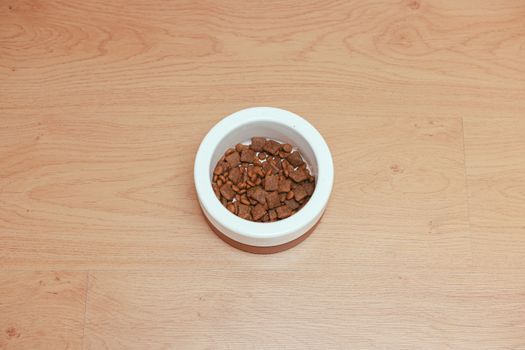
Feeding guides are starting estimates; the pet’s body condition still matters. Photo by Cup of Couple on Pexels.
Ingredient lists are useful, but they are easy to overread. Ingredients are listed by weight before processing, and moisture changes how heavy an ingredient appears. A fresh meat ingredient contains water, so its position on the list does not tell the whole story about final nutrient levels.
The ingredient list also does not show digestibility, quality control, feeding trials, or whether the formula suits your pet’s medical needs. A food with familiar-sounding ingredients is not automatically safer than one with less familiar terms. Some technical names are simply nutrient sources.
Common mistake: switching foods after every symptom
Skin itching, vomiting, loose stool, ear problems, urinary signs, and weight change can have many causes. Changing food repeatedly without a plan can make it harder to identify what is helping and what is not. If a symptom keeps returning, write down the food, treats, timing, and stool or skin changes before making another switch.
Use the feeding guide as a starting estimate
The feeding guide is not a promise. It is a starting point. Two pets of the same weight may need different amounts depending on age, neuter status, activity, body condition, treats, medications, and indoor or outdoor lifestyle.
Measure the food for at least a week before deciding whether a diet is failing. Many people underestimate portions when using a scoop. A kitchen scale is more consistent, but even a standard measuring cup is better than pouring by eye.
Treats count. Training rewards, dental chews, table scraps, pill pockets, and lick mats can quietly change the day’s calories. If a pet is gaining weight on an amount that looks normal on the bag, the total daily intake may be higher than it seems.
A simple home tracking note
Appetite, stool quality and weight changes add context to any label claim. Photo by Romina BM on Pexels.
You do not need a complicated spreadsheet. For one week, write down:
food brand and formula
measured amount per meal
treats and chews
stool quality
appetite
vomiting or hairballs
itching, ear shaking, or licking
weight or body-condition notes if available
This turns a vague conversation into something a veterinary team can actually use.
Know when a claim needs a veterinarian
Some claims are broad lifestyle language. Others sound close to medical advice. Words like sensitive, urinary, digestive, joint, kidney, weight control, or skin support deserve more care than flavor claims. They may be useful, but they may also be the wrong tool if the pet has a real health problem.
If a cat strains in the litter box, cries while urinating, produces little urine, or seems painful, do not try a urinary food first and wait. That can be urgent. If a dog has repeated vomiting, blood in stool, rapid weight loss, or refuses food, the answer is not a longer label comparison in the aisle.
Claims that deserve a second look
Words such as “natural,” “premium,” “ancestral,” “human grade,” and “whole-body” can sound reassuring, but they do not automatically tell you whether the food fits your pet. Start with the basics: species, life stage, feeding directions, nutritional adequacy statement, calorie information, and the pet’s body condition.
The FDA pet food label overview is useful because it separates required label information from marketing language. The label can help you ask better questions, but it cannot replace a nutrition plan for a pet with medical needs.
A simple comparison routine
When comparing two foods, put the labels side by side and check:
whether both match the pet’s life stage
calories per cup, can, or serving
feeding guide assumptions
whether the food is complete and balanced
whether your pet’s health history changes the decision
Do not compare only the first ingredient. Ingredient order can be affected by moisture and wording, and it does not tell the whole nutrition story. If your pet needs weight control, urinary support, kidney support, allergy workups, or a prescription diet, ask your veterinarian before switching.
What to record after choosing a food
For two weeks, track appetite, stool, skin, coat, energy, weight trend, and any vomiting or itching. Those observations say more about fit than a front-of-bag promise. A food that looks impressive online still has to work for the animal eating it.
Red flags hidden by good marketing
Be careful when a label or website makes broad claims without context. “Better coat,” “cleaner teeth,” “ancestral,” or “vet recommended” may sound helpful, but the useful question is narrower: recommended for which species, life stage, body condition, and health problem?
If a pet has vomiting, chronic diarrhea, urinary signs, kidney disease, diabetes, allergies, pancreatitis history, or unexplained weight change, label reading should become a veterinary conversation. A food that is fine for one healthy adult dog may be wrong for a cat with urinary disease or a senior pet with kidney concerns.
A calm shopping rule
Choose a food you can buy consistently, feed predictably, and evaluate over time. Constant switching because a bag looks more natural or a social media post sounds convincing can create stomach problems and make your observations less useful.
When to call a veterinarian before following How to Read a Pet Food Label Without Getting Pulled Into Marketing
Call before making food changes if the pet is very young, senior, pregnant, losing weight, vomiting repeatedly, having diarrhea, refusing food, drinking much more than usual, or taking medication. Nutrition advice is safest when it fits the pet in front of you, not an average pet online.
Compare the label to your pet, not to a slogan
A label can tell you ingredients, nutritional adequacy, life stage, feeding guidance, and manufacturer information. It cannot tell you, by itself, whether your individual pet will thrive on that food. Age, body condition, activity level, medical history, appetite, stool quality, and veterinary recommendations all matter.
When comparing two foods, write down the life stage statement first. Then check whether the food is complete and balanced for the pet you are feeding. After that, look at calories and feeding amounts. Ingredient lists can be useful, but they are often where marketing distracts owners from the more practical details.
A calmer shopping note
Before buying, make a short note: species, age, current food, reason for changing, known medical issues, and what your veterinarian has already advised. Bring that note to the store or keep it beside you online. It will help you avoid choosing a food only because the front of the bag uses reassuring words.
If your pet has vomiting, diarrhea, itching, weight loss, urinary issues, kidney disease, diabetes, pancreatitis, or any chronic condition, do not use label reading as a substitute for veterinary nutrition advice.