
Use life stage, body condition and veterinary guidance before trusting package claims.
- Match food to life stage
- Measure treats and extras
- Ask a veterinarian about medical diets
Safety note: This article provides general pet nutrition education only. It is not veterinary medical advice, diagnosis, treatment, or a diet prescription. Contact a veterinarian before changing food for puppies, seniors, pregnant pets, pets with chronic disease, or pets with vomiting, diarrhea, weight loss, refusal to eat, or suspected toxin exposure.
By Best Pet Care Guide Editorial Team
A claim-by-claim guide to natural, premium, grain-free, human-grade, raw-inspired, limited ingredient, and sensitive-stomach wording on pet food packaging.
How to use this claims dictionary
Read the front of the bag last, not first. Start with the life-stage statement, nutritional adequacy statement, calorie information, feeding guide, and your pet’s health history. Then use this dictionary to slow down the claims that are meant to feel reassuring.
This article is not saying every claim is dishonest. Some claims describe a useful feature. The problem is that claims are often written for people, while the pet needs a food that fits species, age, body condition, medical history, and tolerance.
Common pet food claims and what to check next
The useful move is to translate each claim into a question. “Premium” becomes “What standard proves this?” “Sensitive stomach” becomes “Sensitive to what, and how would I know?”
Claims that should send you back to the full label
A claim deserves a closer look when it sounds medical, absolute, or unusually broad. Phrases such as “supports immunity,” “healthy digestion,” “skin and coat,” or “ancestral diet” may be allowed in some contexts, but they still need ordinary label checks behind them.
Look for the nutritional adequacy statement. Check whether the food is for growth, adult maintenance, all life stages, or a special purpose. Read calorie content and feeding directions. Confirm the manufacturer or distributor information. The FDA notes that animal food labeling includes the label and accompanying materials, so front-of-bag wording is part of the broader labeling picture, not a separate truth zone.
When marketing language becomes a health decision
Do not use packaging claims to manage vomiting, diarrhea, itching, urinary signs, rapid weight change, pancreatitis, kidney disease, diabetes, or food allergy concerns. Those are veterinary questions. A bag that says “sensitive” cannot examine your pet, run tests, or separate diet response from illness.
Use the flagship pet food label guide for the full reading order, then use the food-switching guide if you decide to change diets slowly.
A claim-by-claim reading example
Imagine a bag that says “premium grain-free limited ingredient sensitive stomach recipe.” Do not decide whether the whole sentence feels trustworthy. Split it into smaller questions.
“Premium” asks for proof. What makes it premium besides price and design? “Grain-free” asks why grain avoidance matters for this pet. “Limited ingredient” asks whether fewer ingredients solve a known problem or simply sound cleaner. “Sensitive stomach” asks what symptom you are trying to manage and whether a veterinarian should be involved.
After those questions, return to the ordinary label: nutritional adequacy, life stage, calories, feeding directions, ingredient list, and company information.
Words that are not a substitute for medical advice
Be careful when a claim sounds like it is solving vomiting, diarrhea, urinary trouble, itching, chronic ear problems, weight loss, anxiety, joint pain, or any disease. The FDA explains that claims suggesting a product can cure, treat, prevent, or mitigate disease can move into drug-claim territory. For owners, the practical lesson is simpler: medical-sounding food language should not replace a veterinary conversation.
If your pet has symptoms, write down the current food, treats, timing, stool pattern, appetite, and any recent changes. That information is more useful than buying the next bag that sounds therapeutic.
Keep a short claim note
When a package claim makes you want to switch foods, write one sentence before buying: “I am considering this food because…” If the answer is only “it sounds cleaner” or “the bag looks healthier,” slow down. If the answer is “my veterinarian recommended this type of diet for a specific reason,” keep that advice attached to the decision.
Claim groups that confuse owners most
Most confusing claims fall into four groups. First are purity claims: natural, clean, wholesome, simple, no fillers. Second are performance claims: supports digestion, supports immunity, promotes skin and coat health. Third are identity claims: ancestral, wild, raw-inspired, human-grade. Fourth are absence claims: grain-free, corn-free, soy-free, limited ingredient.
The mistake is treating a claim group as proof. A purity claim may sound reassuring but still needs a complete diet behind it. A performance claim may be broad and not specific to your pet. An identity claim may appeal to human taste. An absence claim tells you what is missing, not whether the full diet fits.
A practical claim filter
Use three questions on any claim that makes you want to buy:
- What does this claim change about the food in measurable terms?
- Does that change matter for my pet’s species, age, body condition, and health history?
- Would I still consider this food if the claim were removed from the front of the bag?
If you cannot answer the first question, the claim may be too vague to guide a decision. If you cannot answer the second, ask a veterinarian before using the claim to manage a health issue. If the third answer is no, the package may be doing more work than the label facts.
Treats and toppers need claim checks too
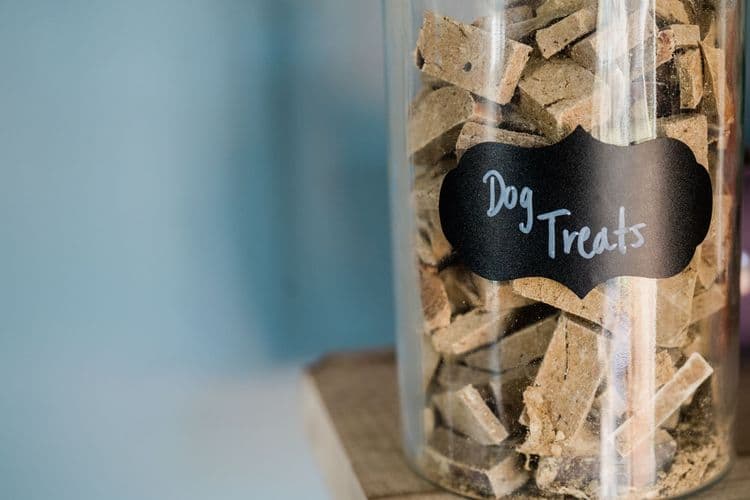
Owners often read main-food labels carefully and then ignore claims on treats, toppers, chews, and supplements. That can create a hidden diet change. A “skin and coat” chew, a “calming” treat, or a “digestive” topper may add calories, ingredients, or expectations that affect the pet’s routine.
Treats should be judged by purpose and amount. Is it a training reward, dental chew, medication helper, enrichment item, or daily snack? How many calories does it add? Does it duplicate ingredients you are trying to avoid? Does it make the pet refuse the main food? Marketing language matters less than how often the item is used.
How to compare two claim-heavy bags
Put the bags side by side and cover the front panels if you can. Compare life stage, adequacy statement, calories, feeding directions, company contact information, and ingredient list. Then uncover the front and read the claims. This simple exercise often makes the decision calmer.
If the less flashy bag answers the practical questions better, do not punish it for quieter design. If the more attractive bag also has clearer feeding information and a better fit, the claim did not hurt. The point is not to reject marketing. The point is to keep marketing in the right order.
What to write before switching
Before switching because of a claim, write a short reason: “I am changing food because…” Good reasons include a life-stage change, veterinary advice, supply issue, measured calorie goal, or a specific tolerance problem being handled with professional guidance. Weak reasons include “it sounds healthier,” “the old bag looks boring,” or “someone online said this ingredient is bad for every pet.”
That note protects you from rotating foods every time a new claim sounds more modern. Pets often benefit from consistency, and digestive upset can come from constant change as much as from the food itself.
Claims that deserve a second look
Some front-of-bag claims are not bad, but they can push the reader toward the wrong first question. “High protein” does not tell you whether the food fits your pet’s life stage. “Indoor” does not prove the calorie level matches your cat. “Limited ingredient” does not diagnose an allergy. “Veterinarian recommended” needs context: recommended by whom, for which pet, and under what condition?
Slow down when the claim sounds like a solution before you have named the problem. A label should help you compare food, not replace a veterinary conversation for chronic itching, vomiting, weight loss, urinary signs, pancreatitis history, kidney disease, diabetes, or suspected food allergy.
A claim-checking routine in the aisle
Use this order when comparing two bags. First, confirm species and life stage. Second, find the nutritional adequacy statement. Third, check calories in the same unit for both foods. Fourth, read the feeding guide as a starting estimate, not a promise. Fifth, look at the company’s contact information and quality-control transparency. Only after that should you return to claims like natural, premium, raw-inspired, or sensitive stomach.
This order keeps the emotional language in its proper place. It may still matter, but it should not lead the decision.
Questions to bring to your veterinarian
If a food claim appeals to you because your pet has symptoms, write down the symptom first. “Loose stool twice a week,” “vomits after breakfast,” “scratches ears at night,” or “gained two pounds since winter” is more useful than “needs a better food.” Bring the current label, treats, toppers, supplements, and feeding amount. The right question is not whether the marketing sounds healthy. It is whether the whole diet fits this pet’s body and history.
Related reading for the same problem
For nearby nutrition topics, compare how to read a pet food label without getting pulled into marketing and how to switch pet food without upsetting the stomach.
Keep this as the claims dictionary
This page should focus on marketing language: natural, premium, grain-free, human-grade, limited ingredient, raw-inspired, sensitive stomach, probiotics, high protein, and similar claims. The full label tutorial belongs at the label-reading guide. Cross-linking prevents the two pages from competing with each other.
Claim dictionary examples
This page should slow down front-of-bag language. It should not replace the full label reading sequence.
Medical-sounding claims need caution
Be careful with language that sounds like treatment: cures allergies, treats kidney disease, fixes digestion, prevents urinary problems, or eliminates inflammation. Pet food marketing should not replace veterinary diagnosis or therapeutic diet decisions. If a food claim seems to answer a medical problem, ask what evidence, regulation, and professional advice support it.
For sick pets, the key question is not whether the phrase sounds healthy. It is whether the food fits the diagnosis and treatment plan.
Regional claim context
FDA and AAFCO-related language shape much of the US label environment. Market terms can still be looser than readers expect. Treat claims as prompts for questions, not final proof of quality.
Related reading for the same problem
For nearby nutrition topics, compare the full pet food label-reading guide and the food-switching guide.
Read front-of-bag claims as prompts, not proof
The strongest nutrition reading moves past the exciting word on the package and asks what the formula is actually doing. Use that habit here. A claim such as natural, sensitive, premium, ancestral, or high protein is a prompt to read the rest of the label, not proof that the food fits your pet.
Compare the claim against life stage, calories, feeding amount, treats, medical history, and whether the food is complete and balanced. If the claim is connected to a health problem, bring the label to your veterinarian instead of switching repeatedly.


