
Pet Nutrition Guides for US Pet Owners
A practical place to compare labels, feeding routines, treats, and weight-related questions without treating one package claim as a diagnosis.
Feeding decisions tend to get complicated at the kitchen counter. The bag lists calories and claims, a family member adds treats during training, and a second pet finishes the food that was left behind. These guides focus on the parts an owner can measure: life stage, adequacy statements, calories, portions, treat totals, food changes, water access, and the patterns that deserve a closer look. They cover dogs and cats, with separate cautions for puppies, kittens, senior pets, prescription diets, and animals with an ongoing health problem. A label can help compare products, but it cannot decide what is right for a pet with a medical condition or explain every change in appetite, stool, weight, or energy. Keep notes when changing a food or portion so a veterinarian can see what changed and when. Call the clinic before making a major diet change for a pet with chronic disease, rapid weight loss or gain, repeated vomiting, persistent diarrhea, refusal to eat, or a prescription diet.
Food Labels and Claims
Separate feeding information from marketing language.
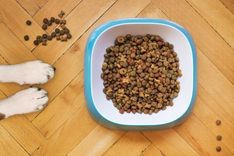
How to Read a Pet Food Label Without Getting Pulled Into Marketing
A flagship guide to reading pet food labels in the right order: life stage, adequacy statement, calories, feeding directions, ingredients, claims, and veterinary red flags.
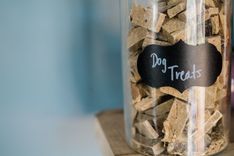
Pet Food Marketing Claims Dictionary: What Bag Words Really Mean
A claim-by-claim guide to natural, premium, grain-free, human-grade, raw-inspired, limited ingredient, and sensitive-stomach wording on pet food packaging.
Food Transitions
Change foods in a way that lets owners notice when the plan needs to slow down.
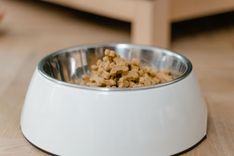
How to Switch Pet Food Without Upsetting the Stomach
A practical food-transition guide with a slow schedule, symptom boundaries, multi-pet notes, tracking worksheet, and clear signs to pause and call a veterinarian.

How to Change a Pet Feeding Routine Without Guesswork
A calm way to adjust feeding times, portions, bowls, and treats while watching how a dog or cat actually responds.
Portions and Treats
Keep meals and training rewards in the same daily feeding picture.

Pet Food and Feeding Guide for US Pet Owners
A practical guide to pet food labels, portions, treats, food changes, multi-pet meals, and the signs that call for veterinary guidance.
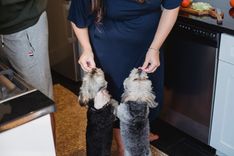
Using Training Treats Without Accidentally Feeding a Second Dinner
A practical way to use food rewards in dog training without losing track of calories, meals, portions, or the treats that quietly pile up all day.
Multi-Pet Feeding and Weight
Separate bowls, measured changes, and safer next steps when weight is a concern.
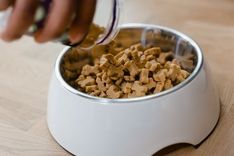
Food Guarding Signs and Feeding Routines for Multi-Pet Homes
Multi-pet feeding works better when bowls are separated, portions are measured, slow eaters are protected, and guarding signs are handled early.

Indoor Cat Weight Management Without Crash Diets
Indoor cat weight management should focus on measured food, gradual changes, play, and veterinary guidance rather than sudden food cuts.
New articles appear here after they are assigned to a specific topic group.