Use life stage, body condition and veterinary guidance before trusting package claims.
- Match food to life stage
- Measure treats and extras
- Ask a veterinarian about medical diets
Training treats have a way of becoming invisible. A few pieces on the morning walk, some at the front door, one more because the dog finally came when called, then something from another person at lunch. Dinner arrives on schedule, as if none of it happened.
That does not mean treats are a bad idea. Food can make a new cue easier to learn and can help a dog work through a difficult moment. The problem starts when the food in the pouch is treated as separate from the food in the bowl. It is all part of the same day.
Decide what goes into the pouch before the walk
For easy practice at home, part of the measured meal may be enough. Put aside a small handful of kibble when breakfast or dinner is measured, then use it for a loose-leash reminder in the hallway or a calm wait at the door. The calorie question has already been answered because the food came out of the meal.
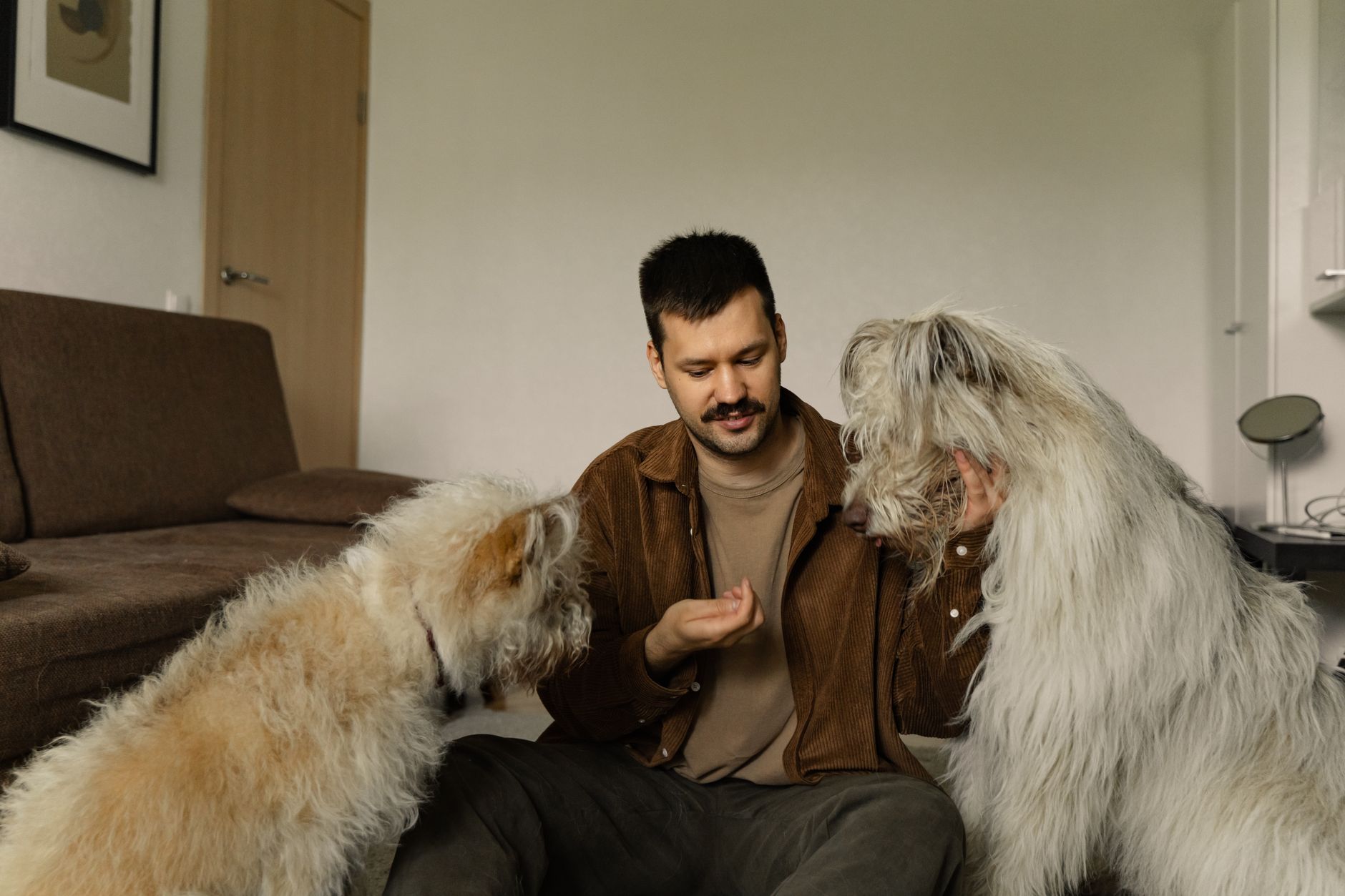
Some situations need something more interesting. A dog trying to turn away from another dog on a busy path may not care much about kibble. A tiny soft treat, a bit of food already known to agree with the dog, or a brief lick from a squeeze tube can be a better match. The point is not to hand out the most exciting food for every sit. Save it for the moments where the dog is doing harder work.
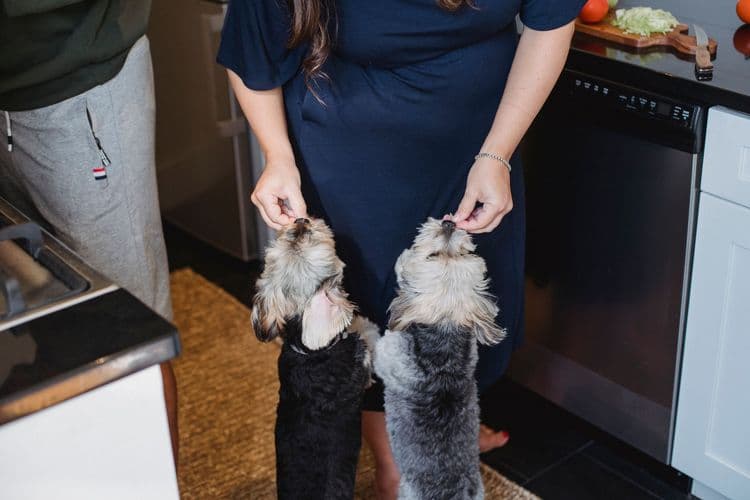
Break treats up before leaving the house. A pea-sized piece can be plenty for many repetitions, and smaller pieces let the session keep moving. If a treat cannot be divided, it may be better kept for one difficult recall than used twenty times in a ten-minute walk. Carry only what you plan to use. When the pouch is empty, the session changes rather than the dog quietly getting a second pouch.
The day matters more than one reward
Calories add up through the things people barely call food: dental chews, pill pockets, a child sharing crackers, a grooming reward, a daycare biscuit, and the treat used to get through a nail trim. A dog can be eating a perfectly sensible dinner and still be gaining weight because the extras never entered anyone’s plan.
Use a system the household can see. A small container holding that day’s training rewards works. So does a note on the fridge. The system does not have to be clever. It has to answer one question before dinner: what did the dog already eat today?
The pet food label guide is useful here because treats have calories too. Check the calories per piece or per package serving before deciding that a reward is tiny. The label does not decide the right number for every dog, but it gives the household a place to start.
Twenty treats can still be a real amount of food
Here is the calculation that often gets skipped. A dog earns 20 small treats during a walk. Before dinner, add up the calories in all 20 pieces. If that total is meaningful for the dog’s usual day, choose smaller rewards next time, use more of the measured meal for training, or reserve the higher-calorie reward for the hardest part of the walk.
Do not respond to one busy afternoon by cutting dinner sharply. Watch the overall routine. A dog working on a new skill for several days may need a planned change to meals, not a guess made while the bowl is already on the floor. Puppies, dogs with obesity, diabetes, kidney disease, digestive disease, or prescription diets need individual veterinary guidance before frequent treat use changes the feeding plan.
The AAHA nutrition and weight-management guidance is a useful professional reference when the question has become about weight or calories rather than one training session.
Food is not the only reward a dog understands
Treats do not need to do every job. A dog may work for a tossed toy, a quick game of tug, permission to sniff a hedge, access to the couch, or being released to greet a familiar person. Those rewards work when they happen right after the behavior, and when they are something the dog wants in that particular setting.
Ask for two loose-leash steps, then release the dog to sniff. Ask for a calm pause at the door, then open it for the walk. Ask for four paws on the floor, then let the visitor say hello. These exchanges make the food pouch last longer and stop training from feeling like a vending machine.
Keep other dogs out of the treat decision
High-value food can create trouble in a multi-dog home. A dog who normally ignores a bowl may watch another dog closely when chicken appears behind a gate. Use separate rooms or enough distance that neither dog has to defend a reward. The multi-pet feeding routine guide covers the early signs of guarding and the setup changes that help.
When a dog is also changing regular food, avoid adding a new treat, topper, chew, and table scrap at the same time. It becomes impossible to know what caused an upset stomach. Keep rewards familiar until the food transition has settled, then use the site’s food-switching guide if the main diet needs to change.
When the treat is not the answer
A dog that will not take food may be worried, nauseated, tired, too full, uncomfortable, or simply not interested in that moment. Pressing a treat closer to the nose does not solve the reason. Lower the difficulty, give the dog more space, change the setting, or end the session.
Call the veterinarian when a dog suddenly refuses favorite rewards, becomes unusually food-focused, gains or loses weight without an obvious reason, drinks more, has digestive changes, or seems painful when sitting, lying down, chewing, or turning the head. Training goes better when the dog feels well enough to take part.


