
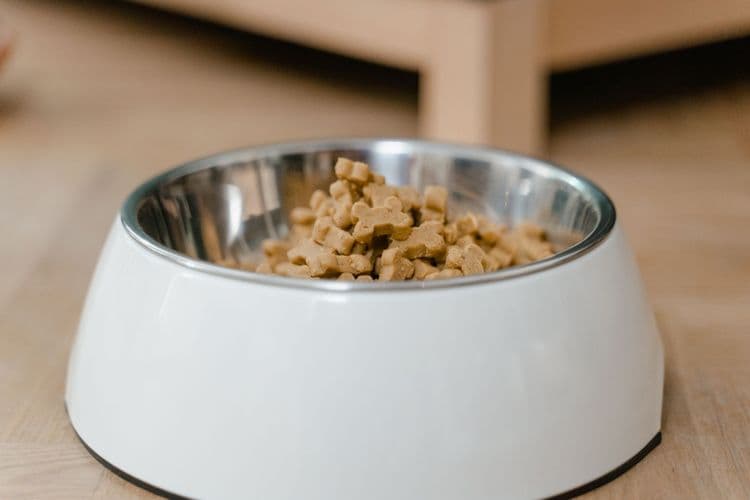
Use life stage, body condition and veterinary guidance before trusting package claims.
- Match food to life stage
- Measure treats and extras
- Ask a veterinarian about medical diets
By Best Pet Care Guide Editorial Team
Food changes often go wrong because the owner changes too many things at once.
New kibble. New topper. New treats. A little leftover chicken. Maybe a probiotic. Then the pet has soft stool or refuses breakfast, and nobody knows which change caused it.
A calmer food switch is less dramatic. Change one thing. Go slowly. Watch the pet in front of you.
This article is general pet nutrition education, not a diet prescription or veterinary advice. Call your veterinarian before changing food for puppies, kittens, seniors, pregnant pets, pets with chronic disease, pets on prescription diets, or pets with vomiting, diarrhea, weight loss, refusal to eat, severe itching, suspected food allergy, or sudden behavior changes.
For related food-label help, compare how to read a pet food label without getting pulled into marketing and pet food marketing claims dictionary.
Start With the Reason for the Switch
Not every food change has the same risk.
Switching because the store ran out of one bag is different from switching because your dog has chronic diarrhea. Trying a new flavor is different from changing life stage, protein source, calorie level, or a veterinary diet.
Write down the reason before you start. It sounds fussy, but it helps.
If the reason is medical, slow down and ask your vet. If the reason is convenience or cost, you still want a gradual transition so the stomach has time to adjust.
Do Not Add Extras During the Transition
Keep the rest of the diet boring.
That means no new treats, chews, toppers, table scraps, oils, or snacks during the first part of the switch. If you add freeze-dried liver treats and a new salmon kibble in the same week, soft stool becomes a mystery.
Use the old food and the new food. That is enough.
A Gentle Transition Pace
Many healthy adult pets do better when the new food is mixed in gradually over several days. A common starting rhythm is mostly old food with a small amount of new food, then half and half, then mostly new food, then all new food.
Some pets need more time. Cats, picky eaters, dogs with sensitive stomachs, and pets with a history of digestive trouble may need smaller changes and longer pauses. If stool gets soft but the pet otherwise seems normal, hold the current mix for a day or two instead of pushing forward.
If vomiting, repeated diarrhea, blood in stool, refusal to eat, weakness, or pain appears, stop treating it as a normal transition problem and call your veterinarian.
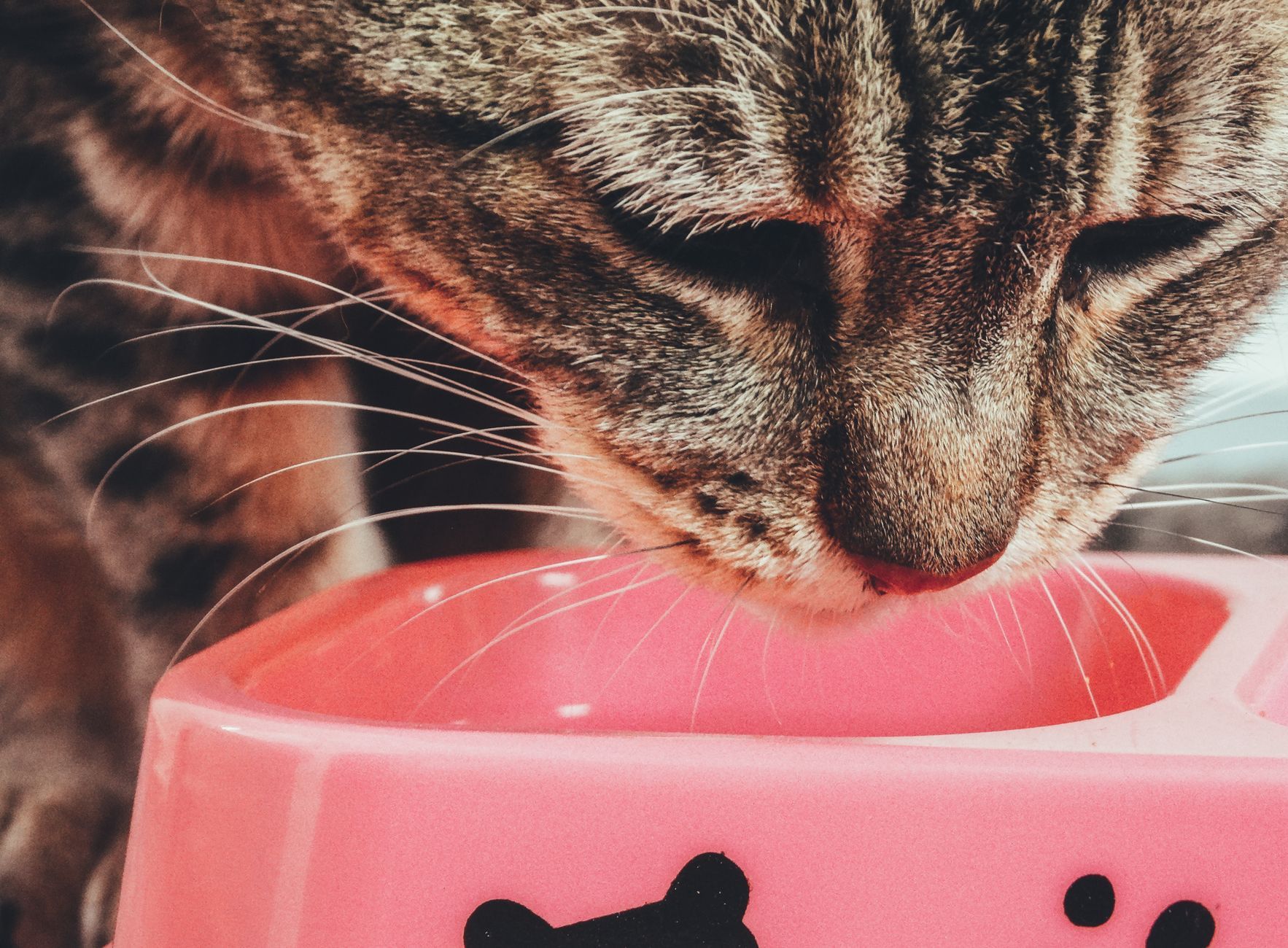
Dogs and cats can react differently during a switch. Many dogs will eat first and complain later through gas or stool changes. Cats may reject the new food before digestion even becomes the issue. With cats, food refusal deserves more caution because going without food can become dangerous, especially for overweight cats or cats with medical problems. If a cat skips meals or eats only tiny amounts, do not wait several days hoping stubbornness will pass.
Texture matters too. A dog may accept a new kibble if the smell is familiar. A cat may reject a food because the pate is colder, stickier, or served in a different bowl. Those details sound minor until they are the reason breakfast sits untouched.
Read the New Food Beyond the Front of the Bag
Marketing words on the front of the bag can distract from the practical details.
Check life stage first. Puppy, kitten, adult, senior, growth, maintenance, and all-life-stages foods are not interchangeable for every pet. Then look at calories, feeding directions, protein source, fat level, and whether the food is complete and balanced for the intended life stage.
If your pet is on a veterinary diet, do not switch because another bag looks similar. Prescription and therapeutic diets are used for specific medical reasons.
Also compare calories per cup or per can. Two foods can look similar on the shelf and feed very differently. If the new food is more calorie-dense, the same scoop may quietly add weight over a few weeks. If it is less calorie-dense, your pet may act hungry even though the bowl looks full. Measure for the first week instead of guessing by eye.
For wet food, check whether the feeding guide assumes the food is the whole diet or only a topper. For dry food, check whether your measuring cup is actually a standard cup. A coffee mug, plastic scoop, or old deli container can throw the amount off more than people expect.
Treat New Ingredients Like Information
Single-ingredient nutrition questions often lead to a broader lesson: “non-toxic” does not mean “good as a regular add-on.”
Edamame, for example, is generally described as non-toxic to dogs when plain and served in appropriate amounts, but that does not make it a needed part of a dog’s diet. Extra foods can add calories, fiber, sodium if seasoned, or digestive upset if the portion is too large.
Use that same thinking with any new ingredient. Plain and tiny is safer than seasoned and generous. Skip onions, garlic, xylitol, chocolate, grapes, raisins, cooked bones, alcohol, and foods your veterinarian has told you to avoid.
This is where treats create confusion. If your pet gets a new food and three new snacks in the same week, you lose the ability to read the reaction. Pause the new dental chew, the spoon of yogurt, the training treats, and the table scraps until the main food switch is boring. Then add extras back one at a time if you still want them.
Watch More Than Stool
Stool matters, but it is not the only signal.
Watch appetite, water intake, energy, itchiness, gas, vomiting, stool frequency, and whether the pet seems uncomfortable after meals. For cats, watch food refusal closely. A cat who stops eating should not be left to “wait it out” for long.
Also watch body condition over time. A food can agree with the stomach and still be too calorie-dense for the pet’s activity level. Feeding guides are estimates, not guarantees.
If the Pet Refuses the New Food
Do not start a standoff immediately.
Check whether the bowl, texture, smell, or timing changed. Some pets dislike a sudden change in kibble size. Some cats resist cold wet food from the refrigerator. Some dogs eat better after a walk; others eat better before household noise starts.
If the pet is otherwise healthy and only mildly hesitant, return to a smaller amount of the new food and move more slowly. If refusal continues, or if there are symptoms, call your veterinarian.
When to Stop the Switch
Stop the transition and get advice if you see repeated vomiting, repeated diarrhea, blood, black stool, severe gas with pain, swelling, collapse, weakness, refusal to eat, fast weight loss, or signs of an allergic reaction such as facial swelling or trouble breathing.
Also stop if your pet has a known medical condition and the new food was not approved for that condition. Kidney disease, pancreatitis history, urinary problems, diabetes, food allergy workups, and prescription diets all change the rules.
Keep One Simple Record
For a week, write down the food mix, stool quality, appetite, and any vomiting or itching. Four short notes are enough.
That record helps you avoid guessing. It also gives your veterinarian something useful if the switch does not go well.
If you do need to call the clinic, bring better questions than “Is this food good?” Ask whether the life stage is right, whether the calories fit your pet’s current weight goal, whether the protein or fat level matters for your pet’s history, and whether any current medication or condition changes the transition plan. If your pet has had pancreatitis, urinary crystals, kidney disease, diabetes, allergies, chronic diarrhea, or repeated vomiting, the safest food switch is the one your veterinarian knows about before you start.
One more practical point: save a small amount of the old food until the transition is clearly working. If the new bag is spoiled, refused, or upsetting your pet’s stomach, having a little of the familiar food gives you options while you ask for advice. Do not keep stale food forever, but do not empty the old bag into the trash on day one either.
Source Notes and Further Reading
- FDA: pet food labels
- AVMA: selecting a pet food
- AAFCO: pet food label guidance
- ASPCA Animal Poison Control Center: animal poison-control guidance


