
Pet Behavior Guides for US Pet Owners
Clear, home-based guidance for common stress, handling, enrichment, and adjustment problems in dogs and cats.
Behavior problems rarely appear in isolation. A cat that scratches the sofa may need a better scratching surface, a quieter route through the room, or relief from a stressful view outside the window. A dog that barks after being left alone may need a smaller practice step, not a longer lecture when the owner returns. This section focuses on what families can change at home: carrier practice, time alone, noise, introductions, litter-box setup, scratching outlets, and low-pressure enrichment. The advice is written for dogs and cats at different ages, but the pet's history and the speed of the change matter more than a generic training schedule. Watch what happens just before and after the behavior, and stop a practice session when fear or frustration is rising. Sudden behavior changes, aggression, self-injury, severe fear, or litter and urination changes can have a medical cause. A veterinarian should assess those cases, and a qualified behavior professional can help when safety or progress remains a concern.
Carrier and Handling
Practice that makes arrivals, introductions, and handling less confrontational.

How to Make the Cat Carrier Less of a Fight Before a Vet Visit
A calmer, practical way to help a cat accept the carrier before a vet visit, without turning the living room into a chase scene.
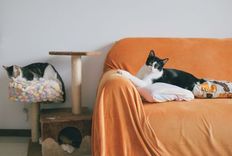
Introducing a New Cat Without Rushing the First Week
A new cat introduction works best when scent, space, feeding distance, and short visual contact are handled gradually instead of forcing immediate friendship.
Separation and Noise
Small practice plans for dogs who struggle with time alone or sudden noise.

How to Help a Dog Stay Calm When Left Alone
A calm, step-by-step alone-time guide for dogs, including baseline checks, short practice absences, video notes, setup changes, and when to seek professional help.

A Calmer Home Plan for Dogs Afraid of Storms or Fireworks
Dogs afraid of storms or fireworks need early setup, safe retreat options, sound-aware routines, and professional help when fear becomes severe.
Cat Home Behavior
Scratching outlets and litter-box changes that begin with the home setup.

Why an Indoor Cat May Start Scratching the Sofa and What to Change First
Scratching is a normal cat behavior, but a sudden focus on furniture usually means the home setup needs better outlets, placement, or stress reduction.
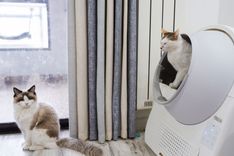
What to Check When a Cat Stops Using the Litter Box
A structured litter-box troubleshooting guide covering medical warning signs, box access, litter changes, household stress, cleaning, and when to call a veterinarian.
Enrichment and Recovery
Low-pressure ways to give restless pets a better outlet and reduce visual stress.

How to Build a Rainy-Day Enrichment Plan for Restless Pets
A practical home plan for keeping dogs and cats engaged when weather, schedules, or short daylight limit normal outdoor time.
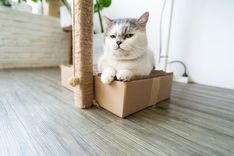
When Window Watching Stresses an Indoor Cat
Window views can enrich an indoor cat’s day, but outdoor cats, blocked escape routes, and overstimulation can turn a favorite perch into a stress trigger.
New articles appear here after they are assigned to a specific topic group.