
Look at sleep, enrichment, visitors, sounds and rewards before labeling a pet as stubborn.
- Track triggers before correcting
- Reward the behavior you want repeated
- Use qualified help for fear or aggression
By Best Pet Care Guide Editorial Team
A dog who hates being left alone is not always being difficult. Sometimes the dog is bored. Sometimes the routine is too abrupt. Sometimes fear is involved. And sometimes the problem is not training at all, but pain, illness, or age-related discomfort that makes the dog less able to settle.
That is why the first step is not buying a camera, a crate, or a louder white-noise machine.
The first step is figuring out what kind of “alone problem” you are looking at.
This article is general behavior education, not a diagnosis or a treatment plan. If your dog panics, destroys doors or crates, hurts themselves, cannot eat when alone, soils indoors suddenly, shows new aggression, or has a sudden behavior change, talk with a veterinarian or qualified behavior professional. Separation-related distress can need more than a home routine.
For nearby routines, compare a calmer home plan for dogs afraid of storms or fireworks and a calm evening reset for dogs who get busy after dinner.
First, Rule Out the Boring Stuff
Before treating the issue as anxiety, look for practical causes.
Is the dog getting enough bathroom opportunities before you leave? Is the room too hot, too loud, or full of street noise? Did the schedule change? Is a new pet, baby, neighbor, construction project, or delivery route making the house feel different?
Also look at the dog’s body. A dog with arthritis may resist going outside before you leave, then struggle to rest comfortably. A dog with digestive upset may pace because they need to go out again. A senior dog may feel less secure in a slippery room or may sleep more lightly than before.
Training works better after pain and health problems are considered.
Watch the First Ten Minutes
If you can, record a short video after you leave. You do not need fancy equipment. A phone or basic camera can tell you a lot.
A dog who sniffs a toy, barks twice, then lies down may need a better wind-down routine. A dog who immediately screams, claws at the door, drools, pants, or tries to escape may be showing panic. Those are different problems.
Notice what happens before the behavior too. Some dogs start worrying when keys jingle, shoes go on, or a laptop bag moves by the door. If the panic starts before you leave, the departure cues themselves need work.
When you watch the video, do not only count barks. Look at the whole body. Is the dog able to sniff, chew, blink, and change positions, or are they frozen at the door? Do they settle after two minutes, or does the behavior climb for the whole recording? A dog who barks at one delivery truck and then naps is giving you different information from a dog who pants at the door for eight straight minutes.
I also like writing down what happened right before the recording. “Left after breakfast” is less useful than “left 12 minutes after breakfast, blinds open, neighbor’s dog outside, food puzzle on rug.” Those small details often explain why one day looks better than another.
Build a Smaller Goodbye
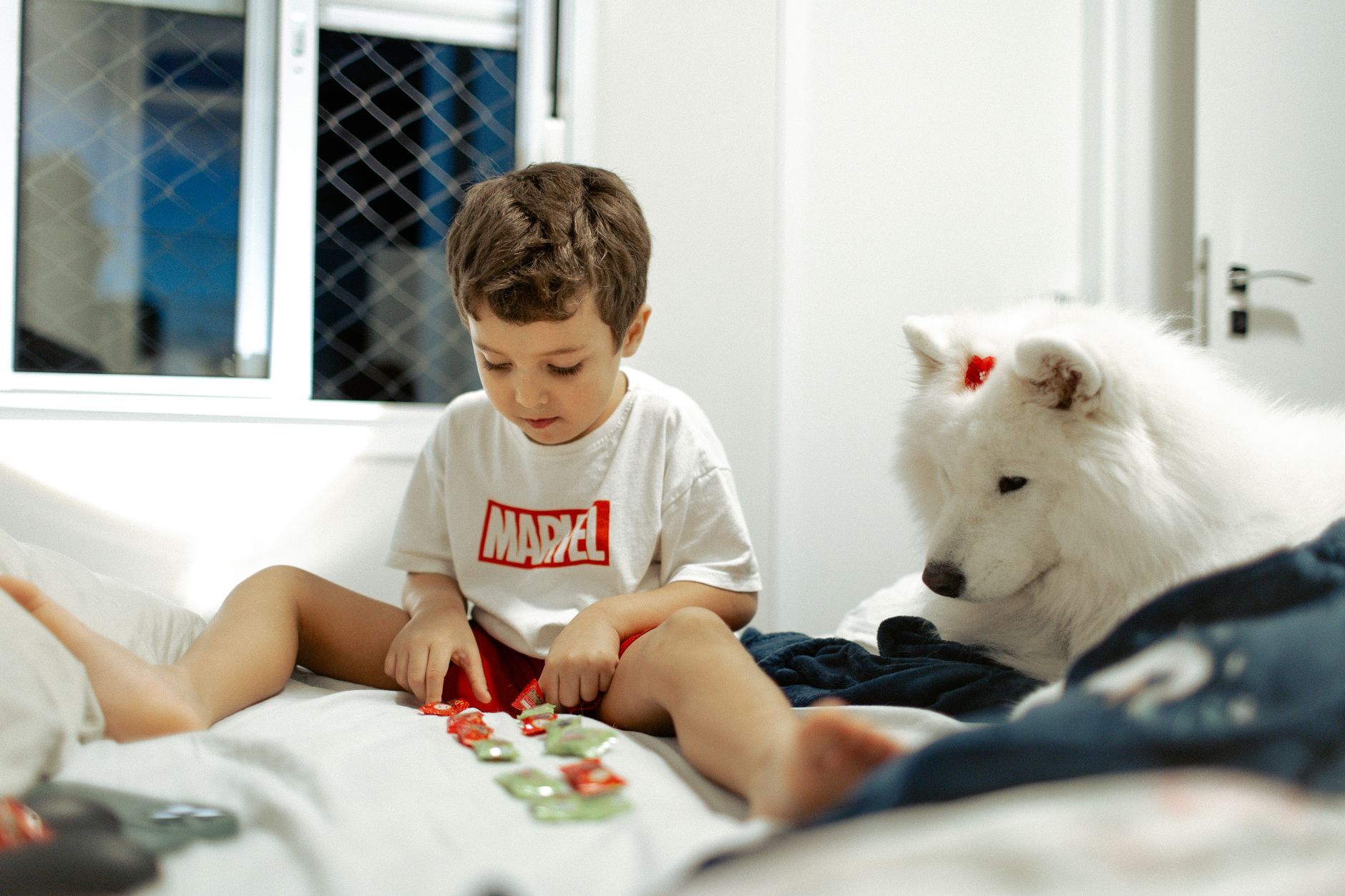
Long emotional goodbyes can make some dogs more alert. So can sneaking out if the dog wakes up and discovers you vanished.
Aim for a boring pattern.
Take the dog out. Offer water. Set up the resting area. Give the safe chew or food puzzle if your dog can use one calmly. Leave without turning the moment into a speech.
If your dog is mild-to-moderately unsettled, practice tiny departures when you are not actually leaving for work. Step outside for five seconds. Come back before the dog spirals. Later, try 20 seconds. Then a minute. The goal is not to trick the dog. It is to teach that departures can be short, predictable, and survivable.
For dogs with true separation anxiety, even these tiny steps may need professional guidance. Going too fast can make the fear stronger.
Give the Dog Something They Can Finish
Food puzzles help some dogs because licking, chewing, and sniffing can be calming. But the puzzle has to match the dog.
A beginner puzzle should be easy enough that the dog does not get frustrated. A stuffed toy should be safe for the dog’s chewing style. A chew should not be so hard that it risks tooth damage. If your dog guards food or lives with other pets, use separation and supervision during practice before leaving any item behind.
Some anxious dogs will not eat when alone. That matters. Refusing a favorite treat after you leave can be a sign that fear is stronger than boredom.
Do Not Make the Door the Whole Problem
Dogs often learn patterns around doors.
The front door means panic. The garage door means a long absence. The back door means a bathroom break. A crate door means being trapped.
If your dog scratches or throws themselves at a door, protect the dog first. Use a safer room, baby gate, exercise pen, or barrier setup if your dog can tolerate it. Do not leave a panicking dog to rehearse clawing at wood or metal for hours.
Then practice door movement when you are not leaving. Touch the knob and sit back down. Open the door and close it. Step through and return. Keep the steps tiny enough that your dog can stay under threshold.
Crates deserve a separate mention because they help some dogs and make others worse. If your dog already rests happily in a crate, it may be part of the plan. If your dog bends bars, digs at the tray, drools heavily, or tries to break out, the crate is no longer a calm den. It is a panic box. In that case, talk with a professional before leaving the dog confined for longer periods. A gated room or pen can be safer for some dogs, but only if the dog can stay relaxed there during practice.
Exercise Helps, Exhaustion Is Not a Plan
A walk before alone time can help. So can sniffing, a short training game, or a calm feeding routine.
But “tire the dog out until they collapse” is not a reliable plan. Some dogs become more frantic when they are overtired. Others need mental work more than physical miles. A young dog may need movement, while a senior dog may need comfort, traction, and pain control.
Think of pre-departure exercise as a reset, not a sedative.
When the Problem Is Fear
Fearful dogs need a slower plan.
Signs include pacing that does not settle, panting when the room is cool, drooling, trembling, repeated escape attempts, self-injury, nonstop vocalizing, or destruction focused on doors, windows, or crates.
If you see those signs, do not keep testing longer absences to see whether the dog “gets used to it.” Forced exposure can make separation distress worse. A veterinarian can check for medical factors and discuss whether medication, behavior modification, or a referral is appropriate. A certified behavior professional can help set a plan that moves in tiny enough steps.
A Practical Starting Week
For one week, keep the goal small.
Record two short departures. Write down what your dog does in the first ten minutes. Note whether food was eaten, whether the dog settled, and which cues seemed to start the worry.
Then make one change, not five. Maybe the dog gets a bathroom break closer to departure. Maybe the resting room moves away from the front window. Maybe the food puzzle becomes easier. Maybe you practice five-second exits twice a day.
If the behavior improves, keep going slowly. If it gets worse, stop escalating and get help.
The biggest mistake is turning a decent first week into a huge test. If your dog handles three minutes, that does not mean they are ready for three hours. Build the boring middle. Try three minutes several times, then four, then six, then back to two. Real life is uneven, and practice should teach the dog that short absences can come and go without drama.
If you must leave longer than your dog can handle, arrange help where possible: a trusted sitter, a neighbor drop-in, day care for dogs who enjoy it, or a family member who can cover the hardest stretch. Management is not cheating. It prevents the dog from rehearsing panic while the training plan catches up.
Source Notes and Further Reading
- AVMA: pet behavior resources
- ASPCA: dog behavior and care resources
- IAABC: consultant directory
- American College of Veterinary Behaviorists: find a veterinary behaviorist


