Look at sleep, enrichment, visitors, sounds and rewards before labeling a pet as stubborn.
- Track triggers before correcting
- Reward the behavior you want repeated
- Use qualified help for fear or aggression
Safety note: This article provides general pet behavior education only. It is not a veterinary diagnosis or a substitute for a qualified behavior professional. Contact a veterinarian or certified behavior professional if behavior changes suddenly, includes aggression, self-injury, panic, house-soiling with pain, or signs of illness.
By Best Pet Care Guide Editorial Team
Noise fear can make a normal evening feel impossible. A dog who is usually relaxed may shake, pant, hide in a closet, scratch doors, climb into laps, bark at every boom, or refuse to go outside. Families may try reassurance, treats, closing windows, or waiting it out. Sometimes that helps. Sometimes the fear gets worse each season.
Storms and fireworks are difficult because they arrive with more than sound. Storms bring pressure changes, wind, rain, light, and static. Fireworks bring unpredictable timing and vibration. The dog is not simply being dramatic.
This routine also connects with a calm evening reset for dogs who get busy after dinner and preparing a dog for car rides without making every trip stressful, especially if you are making several small changes without overwhelming your pet.
Prepare before the first boom
The best plan starts before the noise. Once the dog is already panicking, learning is harder. Choose a safe retreat space in advance: interior room, crate if the dog already likes it, bathroom, closet with ventilation, or a covered bed.
Do not trap a dog in a crate if confinement increases panic. Safe means the dog can settle, not that the family likes the location.
Preparation also includes the ordinary parts of the day. On a known fireworks evening, move the longer walk earlier. Offer dinner before the loudest period if your dog usually refuses food once anxious. Check that doors, gates, windows, and ID tags are handled before the first noise. When everyone waits until the dog is already shaking, the household becomes rushed, and rushed people make more mistakes.
For storms, watch the weather but avoid turning every cloudy afternoon into a dramatic event. Quiet preparation is enough. Close the windows before the wind gets strong, place the bed in the retreat space, turn on a fan, and keep the dog’s route to water clear. The goal is to make the safe plan available without announcing that something terrible is about to happen.
What a retreat space needs
- comfortable bedding
- water nearby
- dim light if that helps
- sound masking such as a fan or steady music
- safe chew or food toy if the dog can eat
- no loose cords, sharp objects, or blocked airflow
Test the space on calm days. A dog should not meet the safe room for the first time during fireworks.
The retreat space should match the dog, not the owner’s idea of what looks cozy. Some dogs want a covered crate with the door open. Some want a bathroom mat. Some want to press against a person’s leg. Others prefer to hide under a desk. If the dog repeatedly chooses one safe location, respect that information and make that location safer.
Avoid overloading the room with new scents, new beds, and new objects all at once. Familiar smells can be more comforting than a newly purchased setup. A blanket the dog already uses, a water bowl that does not rattle, and steady background sound may matter more than expensive calming products.
Early signs your dog is struggling with noise
Early action is kinder than waiting for full panic.
Myth vs reality
Myth: comforting a scared dog always rewards fear.
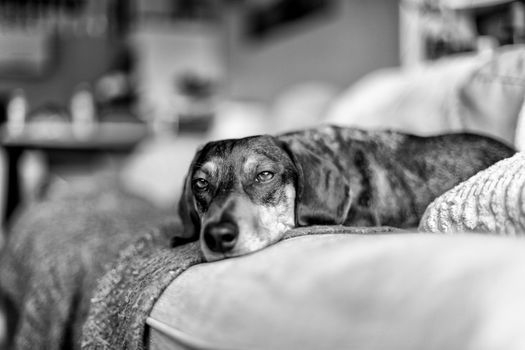
Quiet spaces should be practiced before storms or fireworks. Photo by Peter Jochim on Pexels.
Reality: calm support can help. Fear is not a trick the dog performs for attention. The bigger problem is frantic, inconsistent human behavior that makes the event feel even less safe.
Myth: dogs should just get used to fireworks.
Reality: repeated panic can sensitize some dogs. Exposure without control or recovery may make fear worse.
Build a predictable event routine
On known fireworks nights, take bathroom trips early. Feed earlier if the dog usually refuses food once noise starts. Close windows and curtains before sunset. Turn on sound masking before the first loud event.
Use a leash even in fenced yards if the dog is a flight risk. Fear can push dogs through gaps they normally ignore.
Then reduce human noise. This sounds obvious, but many households get louder during fireworks: people call from room to room, open the door to look outside, laugh at sudden booms, or repeatedly ask the dog to come out. A scared dog benefits from boring people. Choose one calm person to stay nearby if the dog wants company, and let everyone else move through the house quietly.
If your dog can still eat, use simple food scatter games or a stuffed toy before the noise peaks. If the dog refuses food, do not keep pushing treats into their face. Food refusal can be a sign that the dog is already over threshold. At that point, lower stimulation and focus on safety.
When medication may be part of care
Some dogs need veterinary help. Medication is not a moral failure, and it should not be improvised. Ask early, not on the holiday evening when clinics are closed.
A veterinarian can consider the dog’s health, other medications, and the severity of fear. Behavior modification and medication may work together for dogs with intense panic.
What not to do
Do not punish hiding. Do not drag the dog toward fireworks to “show there is nothing wrong.” Do not leave doors unsecured. Do not use loud television as the only plan if the dog is still panicking. Do not try leftover medication from another pet.
Practice on quiet days
A safe room is easier to use when the dog already likes it. Feed treats there on normal days. Sit nearby and read. Put a familiar blanket in the space. Let the dog enter and leave. The room should not appear only when the sky gets loud.
Sound recordings can help some dogs when used carefully at very low volume, but they can also backfire if rushed. If the dog reacts, the volume or intensity is too high. Severe noise fear is a good reason to ask for professional guidance before trying exposure work.
A quiet-day practice session should be almost disappointingly easy. Walk to the safe room, scatter a few treats, sit for two minutes, and leave. On another day, turn on the fan or music at a normal volume while nothing else happens. The dog learns that the room is part of regular life, not a signal that the sky is about to get loud.
If you use recorded sounds, start so low that the dog barely notices. Pair the sound with normal pleasant activity, then stop before the dog becomes concerned. Do not increase volume on a schedule just because a training plan says so. The dog’s body language decides the pace.
Household roles during noisy events
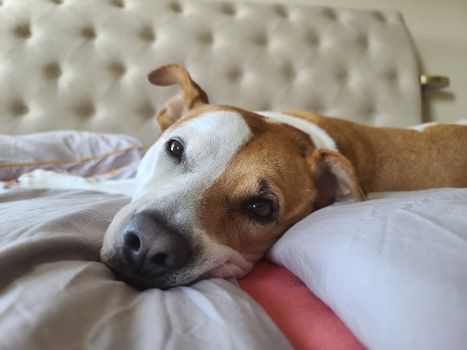
Decide who checks doors, who takes the dog out early, who prepares the room, and who keeps children from crowding the dog. During fireworks, a household can become chaotic. People run to windows, open doors, shout, and record videos. That energy can make the dog feel less safe.
Keep movements boring. Speak normally. If the dog wants contact, offer calm contact. If the dog wants to hide, make hiding safe.
Children need a simple role too. They should not crawl into the hiding space, pull the dog out for comfort, or test whether the dog will still play. A scared dog may have less tolerance than usual. Give children a separate job, such as closing curtains with an adult earlier in the day or choosing quiet music before the event starts.
Visitors can complicate the plan. If guests are coming over on a fireworks night, decide whether the dog needs a closed retreat space away from the gathering. Even friendly guests may make the dog feel watched. A sign on the door can prevent accidental entries.
Escape prevention matters
Noise events are common times for pets to bolt. Check collars, tags, microchip registration, gates, and doors before the event. Use a leash for bathroom trips. A frightened dog may not respond to recall the way they do on a normal day.
If the dog has escaped before, treat that history seriously. Prepare before the next storm season.
Choose the response by severity
If the dog notices noise but can eat and rest, use the safe room, sound masking, and calm company. If the dog refuses food but can lie down, lower stimulation and stay nearby without crowding. If the dog is pacing, scratching exits, panting heavily, or trying to escape, treat it as a serious fear response and contact a veterinarian for a longer-term plan.
If the event is predictable, prepare hours earlier. If it is a sudden storm, move to the simplest safe setup: interior space, doors secured, curtains closed, steady sound, and a calm person nearby if the dog wants company.
Mild cases may look like alert ears, a few barks, and then settling. Moderate cases may include pacing, panting, hiding, and refusing food. Severe cases may include escape attempts, self-injury, frantic digging, or panic that continues long after the noise stops. These levels need different plans.
Do not wait for severe behavior to become the only reason to call. If the dog has one or two predictable events each year but suffers badly during them, that still matters. Early veterinary conversations are easier than last-minute calls during a holiday.
Observation log for the next appointment
Write down when signs started, what the weather or fireworks were like, where the dog tried to go, whether food was accepted, whether the dog recovered afterward, and whether any escape behavior happened. This record is useful if you ask a veterinarian about medication or behavior support.
Do not rely on memory after a stressful night. Families often remember the worst moment but forget the earlier clues.
Small recovery routine
After the noise ends, keep the house calm for a while. Some dogs need time before they can sleep or go outside. Offer a quiet bathroom trip on leash, water, and a familiar resting place. Avoid celebrating loudly because the event is over; the dog may still be recovering.
Recovery can take longer than the noise itself. The dog may sleep deeply, follow people from room to room, or startle at ordinary sounds the next morning. Keep the next day simple if possible. Choose a low-pressure walk, avoid crowded dog areas, and let the dog rest.
Use the recovery period to improve the next plan. If the dog tried to hide in the bathtub, make that space safer. If the dog scratched at the front door, add a second barrier before the next storm. If the dog accepted food until the loudest period, prepare food activities earlier next time. Each event gives information, even when it was not workable.
What to skip when advice sounds too simple
Skip any advice that tells you to ignore panic until the dog “gets over it.” Skip flooding the dog with loud sounds at full volume. Skip punishment for hiding, barking, or shaking. Skip unprescribed sedatives or medication left from another pet. Skip outdoor bathroom trips without a leash during loud events, even if the yard is fenced.
Noise fear is not solved by proving that the sound is harmless from a human point of view. The plan works when it changes the dog’s experience: safer space, earlier preparation, lower intensity, better recovery, and professional support when fear is too large for home management alone.
When behavior needs professional help
Ask a veterinarian or qualified behavior professional for help if the behavior appears suddenly, includes biting or repeated aggression, causes injury, involves panic, happens with pain or appetite changes, or gets worse despite calmer handling. Training works better after pain, fear, and medical causes are considered.
Related reading for the same problem
For nearby behavior routines, compare helping a dog stay calm when left alone and dog car ride preparation without stress.
Related reading for the same problem
For nearby behavior routines, compare alone-time calm and car ride preparation.
Source notes and further reading
- ASPCA: Common dog behavior issues
- ASPCA: Common cat behavior issues
- International Association of Animal Behavior Consultants: Find a behavior consultant
- Cornell Feline Health Center: Cat health topics
Confidence work between noisy events
Storm and firework plans are not only about the noisy night. Between events, dogs benefit from simple games that build choice and recovery: finding treats, hand targeting, calm mat work, easy puzzle toys, and low-pressure sniffing.
These games should not happen during peak panic. Practice them on quiet days so they become familiar. When the next storm arrives, the goal is not to distract the dog into ignoring fear. The goal is to give the dog a known routine, a safe place, and a person who does not add pressure.


