Check access, storage and escape paths before assuming a familiar room is safe.
- Secure cords, bins and cleaning supplies
- Check plants and small objects
- Plan exits, gates and travel routines
Safety note: This article provides general household pet safety guidance only. It is not veterinary medical advice, diagnosis, poison-control instruction, or emergency treatment guidance. If a pet swallows a toxic item, foreign object, medication, chemical, battery, string, or sharp object, contact a veterinarian or animal poison control right away.
By Best Pet Care Guide Editorial Team
Some dogs leap into cars as if every ride leads to a park. Others freeze at the door, drool before the engine starts, bark at traffic, or vomit halfway down the street. Families often describe these dogs as dramatic, but car trouble can come from several different places.
A dog may feel nauseated. They may fear the sound of the engine. They may associate the car only with veterinary visits. They may slide on the seat and feel unsafe. They may be overstimulated by windows, motion, and passing dogs. Solving the wrong problem wastes time.
If you are checking the whole setup rather than one habit, keep a calmer home plan for dogs afraid of storms or fireworks and how to make dog walks safer in hot weather without skipping exercise open as companion notes.
Separate fear from motion sickness
Motion sickness and fear can look similar. Drooling, lip licking, swallowing, whining, yawning, and restlessness may happen with either one. The timing helps. If signs appear before the car moves, fear or learned association may be important. If signs build after turns and motion, nausea may be involved.
Do not guess about medication. If a dog vomits repeatedly or drools heavily on rides, ask a veterinarian what options are safe.
The distinction matters because training alone may not solve nausea, and medication alone may not solve learned fear. A dog who feels sick every time the car turns can start fearing the car before the engine starts. A dog who first feared the veterinary clinic may become nauseated because every ride begins with panic. Keep notes on timing, road type, meal timing, and recovery afterward.
Also watch what happens after the ride. A dog who seems fine in the car but refuses food for an hour afterward may still be stressed. A dog who drools only on winding roads may need a different travel setup than a dog who trembles in the driveway.
First make the parked car boring
Start when you do not need to go anywhere.
- Walk near the car, reward, and leave.
- Open the door, reward calm interest, and leave.
- Let the dog enter and exit without closing the door.
- Sit in the parked car for one minute.
- Turn the engine on briefly, then stop.
- Drive around the block only after the earlier steps are easy.
This can feel slow, but it changes the car from a surprise event into a predictable routine.
Keep these sessions short enough that the dog wants to leave calmly, not desperately. If the dog freezes at the driveway, reward looking at the car and walk away. If the dog jumps in willingly but panics when the door closes, practice with the door open longer. The step that looks “too small” is often the one that rebuilds trust.
Do not use the parked car only for training sessions. Sometimes walk past it on the way to a normal sniffing route. Sometimes open a door, place a treat near the threshold, and leave. The car becomes less meaningful when it appears in ordinary, low-pressure moments.
Safety is part of comfort
A dog sliding across a seat will not feel secure. Use a properly fitted travel harness, secured crate, or another restraint system appropriate for the dog and vehicle. The safest setup depends on size, health, temperament, and the car.
Do not let a dog ride loose in the bed of a pickup truck. Do not let a dog hang far out of a window. Flying debris, sudden stops, and falls are real risks.
Comfort and safety can conflict at first. A dog may prefer being loose because they can choose where to stand, but that does not make it safe. Introduce the restraint outside of travel. Let the dog wear the harness in the house for a minute, eat a treat near the crate, or sit on the car mat before the trip begins.
If the dog slides on the seat, add a non-slip mat under the approved restraint setup. Sliding teaches the dog that turns are unpredictable. Better footing can reduce both fear and nausea for some dogs.
Quick comparison: travel setups
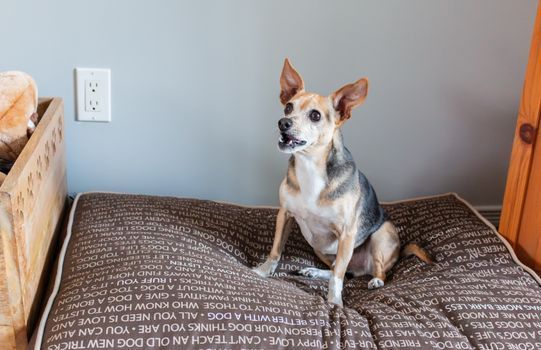
Short practice steps can make the car less surprising. Photo by Kim Dubois on Pexels.
No setup should turn into a heat trap. Check airflow and temperature.
Heat changes the plan
Cars heat quickly. Even a short stop can become dangerous. Do not leave a dog unattended in a warm car. Plan bathroom breaks and water stops before the trip, not after the dog is already uncomfortable.
For longer rides, pack water, a bowl, cleanup supplies, leash, ID, vaccination or medical notes if needed, and any medication prescribed for travel.
Heat also changes practice sessions. Sitting in a parked car for training is not appropriate when the temperature is unsafe. Choose mild times of day, keep sessions brief, and end before the car becomes uncomfortable. A dog who overheats during “practice” will not learn that the car is safe.
On summer trips, plan stops where the dog can safely leave the vehicle with you. Drive-through errands and quick indoor stops may seem convenient, but they create a dangerous question: where does the dog go while you are inside? If the answer is “in the car,” change the errand plan.
Avoid teaching your dog that every car ride is stressful
If the only car rides lead to stressful places, the car becomes a warning. Add tiny neutral rides when the dog is ready: around the block, to a quiet parking lot, or to a calm walking spot. Keep some trips boring and pleasant.
Do not force a frightened dog into the car and then comfort them only after panic begins. Help earlier in the sequence.
When to ask for help
Get professional guidance if the dog bites, panics, vomits often, cannot settle after gradual practice, or becomes dangerous to transport. Travel may need a veterinary plan, behavior plan, or both.
Short practice rides that teach the right lesson
A practice ride should be almost boring. Drive two minutes, return home, and end calmly. If every ride becomes a full errand, the dog may be trapped in a situation that lasts longer than they can handle. Start with the shortest version that keeps the dog below panic.
Use the same entry routine. Harness, leash, car spot, quiet cue, short ride, return. Dogs learn patterns quickly. A predictable pattern helps separate the car from surprise.
Choose easy routes at first. Avoid sharp turns, busy parking lots, and long waits at lights if those are known triggers. If the dog can handle a straight two-minute route, repeat it until it is ordinary before adding distance. Progress is not measured by miles; it is measured by how the dog looks during and after the ride.
End the ride in a neutral way. Do not throw a party at the end if excitement becomes part of the stress cycle. Let the dog step out, sniff, drink if needed, and settle. The whole sequence should say,“This was no big deal.”
Travel kit for ordinary trips
For routine trips, pack water, a bowl, waste bags, towel, leash, ID, and any medication the veterinarian prescribed. For longer travel, include food, vaccination or medical notes if needed, bedding that smells familiar, and cleanup supplies.
Do not feed a large meal right before travel unless your veterinarian has advised a specific plan. Some dogs do better with meal timing adjusted around car rides.
Keep the kit in one place so travel does not begin with people searching for supplies. The frantic pre-trip atmosphere can become part of the dog’s car association. If every ride starts with rushed voices, missing keys, and someone pulling the dog toward the door, the dog learns that the car means chaos.
For dogs who get carsick, ask a veterinarian about meal timing and medication rather than inventing rules from the internet. Some dogs travel better with an empty stomach; others do poorly when hungry. Health, age, and trip length all matter.
After the ride, review what happened
Do not judge only by whether the dog vomited. Note drooling, panting, whining, refusal to enter, barking at motion, or how long it took to relax afterward. A dog who looks fine in the car but sleeps heavily for hours may still be stressed by the trip.
That review tells you whether the next ride should be shorter, calmer, cooler, or delayed until you ask for professional advice.
Observation log after each ride
After each ride, write down the length, destination, weather, where the dog sat, whether the dog ate before travel, and what signs appeared. Include quiet signs such as lip licking, yawning, freezing, or refusing treats. These details help separate nausea, fear, overstimulation, and unsafe footing.
A dog who drools only after curvy roads may need a different plan than a dog who trembles as soon as the car door opens. A dog who barks at every passing vehicle may need visual management. A dog who settles in a crate but not on a seat may need a more secure travel setup.
What to skip on early practice days
Skip errands with multiple stops. Skip drive-through windows if the dog barks at strangers. Skip dog parks as the first destination if the dog arrives overexcited. Skip long trips after one good two-minute ride.
Practice is useful because it stays below the dog’s limit. The moment the plan turns into a test, the car may become stressful again. Keep the first successes almost boring, then build slowly.
When the destination is unavoidable
Sometimes the car ride must happen before training is complete: veterinary care, moving, boarding, or family emergencies. In those cases, lower the rest of the stress. Pack early, keep voices calm, use safe restraint, bring cleanup supplies, and allow extra time so no one rushes the dog.
If the dog needs veterinary care and car fear is severe, call the clinic before the appointment. They may suggest timing, entry instructions, or medical options.
After an unavoidable stressful ride, return to easier steps instead of pretending nothing happened. The next session might be sitting in the parked car with the door open. This is not going backward; it is repairing the association after a hard day.
If the destination was the veterinarian, pair the next few easy car moments with neutral or pleasant outcomes when possible. Drive around the block and come home. Drive to a quiet place for a short sniff. Let the dog learn that the car does not always predict the hardest destination.
Related reading for the same problem
For nearby home-safety routines, compare helping a dog stay calm when left alone and the storm and fireworks plan.
Related reading for the same problem
For nearby home-safety routines, compare alone-time calm and storm and fireworks planning.
Source notes and further reading
- ASPCA Animal Poison Control Center: Animal poison-control guidance
- FDA: Potentially dangerous items for your pet
- AVMA: First aid tips for pet owners
Travel planning: comfort before distance
Treat transport as a routine to train, not a surprise event. A dog who can sit calmly beside a parked car, then rest during a two-minute drive, is building the skill that makes longer trips possible later.
Do not make the first “practice” ride a long highway trip or a stressful appointment. Pair the car with short, boring repetitions: approach, reward, leave; sit inside with the engine off; drive around the block; go somewhere easy. If nausea, panic, or frantic barking appears, shrink the step instead of repeating a ride the dog cannot handle.


