
Look at sleep, enrichment, visitors, sounds and rewards before labeling a pet as stubborn.
- Track triggers before correcting
- Reward the behavior you want repeated
- Use qualified help for fear or aggression
The carrier has a bad reputation because it is often pulled out when everyone is already late. The cat is under the bed, the appointment is in ten minutes, and the only plan is to get the door shut somehow. That moment may be unavoidable once. It should not be the carrier’s whole job.
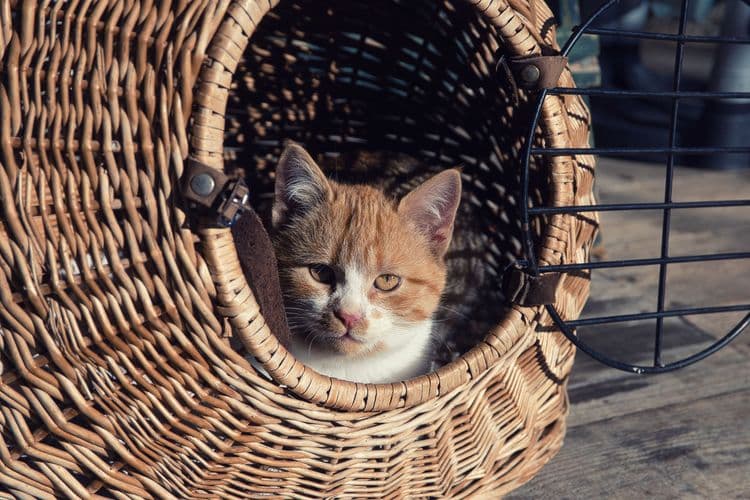
Leave it out on an ordinary day instead. A carrier that stays in a quiet room, open and unremarkable, has a chance to become part of the furniture. A carrier that appears only before the car arrives with a warning label already attached.
Let the cat decide when to get close
Put the carrier where the cat already spends time, not in a hallway full of shoes and laundry. Secure the door open so it cannot swing shut. Add bedding that already smells familiar. Some cats will step in on the first day; some will circle it for a week. Neither response needs a correction.
Do not turn the first few days into an assignment. There is no need to put a meal inside, close the door, or lift the carrier because the cat happened to sniff it. A cat that walks away has given you useful information: the setup is still too new or the reward is too close to the entrance. Put the treat farther out next time.
A new cat may take longer with any enclosed space. The approach is similar to a new cat introduction: give the cat control over distance and do not chase a calm interaction into a frightening one.
Practice the parts that usually cause the panic
Entering the carrier, hearing the door move, being lifted, and sitting in a car are different experiences. Treating them as one big task is how a cat goes from a willing sniff to a full-body scramble.
When the cat is comfortable stepping inside, move the door an inch and open it again. On another day, close it for a second, then reopen it. Do not use food as the only scorecard. A nervous cat may refuse a favorite treat. A less crouched body, a pause before bolting, or a quiet few seconds inside can be enough progress for the day.
After the door feels less alarming, lift the carrier for a few seconds and put it back down. Keep it level, with one hand under the base. A short walk across one room is plenty. The first car practice can be sitting in the parked car for a minute and coming straight home. There is no benefit in turning the first calm carrier session into a long drive.
Some cats enter a front-opening carrier easily; others cope better with a removable top or top-loading design. The carrier style can make veterinary handling easier, but it does not replace preparation. A terrified cat can be frightened in any container when the process is rushed.
A seven-day practice plan
- Day 1: Leave the carrier open in a familiar room.
- Day 2: Put a reward near the entrance.
- Day 3: Place a reward just inside and let the cat choose whether to enter.
- Day 4: Touch the door, then open it before the cat worries.
- Day 5: Close the door for 5 to 10 seconds and reopen it calmly.
- Day 6: Carry the carrier across one quiet room and put it down.
- Day 7: Sit in the parked car for a minute with no appointment pressure.
Repeat an easy day when the cat needs it. This is a route through the work, not a deadline. The cat does not know it is day five.
Make the appointment morning less chaotic
The evening before, put the carrier in the room where the cat will be easiest to find. Set out the paperwork, keys, towel, and treats. If there are inaccessible hiding places, close them before the cat realizes an appointment is happening. This is not glamorous preparation, but it prevents the frantic search that turns a routine visit into a chase.
Ask the clinic about a quieter appointment time, direct-to-exam-room options, or cat-friendly handling. If the veterinarian has prescribed medication for travel anxiety, ask exactly when to give it and whether a trial dose is needed before the appointment day. Do not borrow medication from another pet or use an old prescription because the carrier is suddenly difficult.
The carrier can also collect stress from outside the house. A cat who is already wound up by a window view may have less patience for a car trip. The guide on window-watching stress covers that pattern. A sudden behavior change alongside litter-box trouble deserves a veterinary call rather than more carrier practice.
In a multi-cat home, the return can be the awkward part. The clinic smell on one cat may make the other cat hiss or avoid them for a while. Give the returning cat a quiet room with water, a litter box, and familiar bedding if the household needs a reset. Do not use the carrier as a place to keep the cats together until they “work it out.” Let everyone settle, then follow the clinic’s advice if the tension does not ease.
When carrier fear needs more than practice
Call the clinic early when fear remains extreme, the cat becomes unsafe to handle, self-injures, or cannot be transported for needed care. The practice plan is not meant to force a cat through panic. A veterinarian can help with timing, handling, medication, mobile care, or a behavior referral for that individual cat.
After an appointment, leave the carrier open again with the familiar bedding inside. It may be ignored for a while. That is fine. The useful message is simply that the carrier does not vanish after every bad outing and reappear only when something unpleasant is about to happen.


