
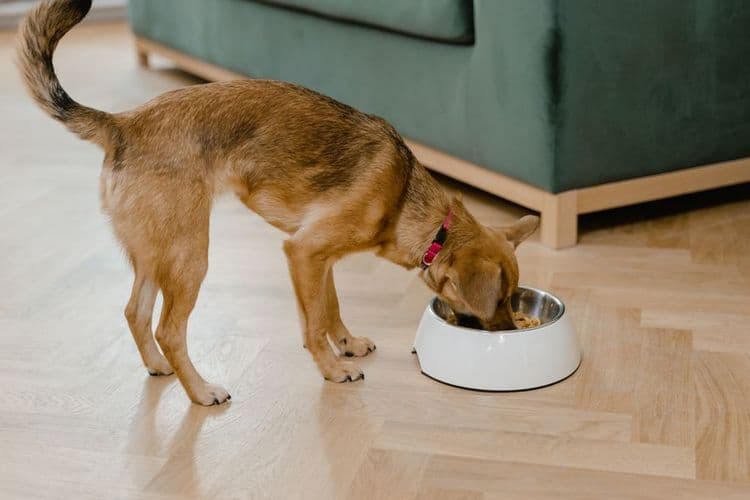
Start with the pet in front of you
Feeding advice gets noisy fast. One bag promises real meat. Another promises sensitive digestion. A friend says their dog stopped itching after a switch, and a video insists every cat needs a different kind of bowl, food, and schedule. The result is often a cupboard full of half-used bags and no clear idea of what changed.
The most useful starting point is less exciting. Who is the pet, what are they eating now, how much is actually reaching the bowl, and what has changed in their ordinary routine? A healthy adult dog or cat does not need a new food because a package looks more convincing than the old one. A puppy, kitten, senior pet, pregnant or nursing animal, or pet with a diagnosed condition needs a more individual conversation with a veterinarian.
This guide is general pet-care education for US pet owners. It cannot diagnose disease or prescribe a diet. Repeated vomiting, diarrhea, rapid weight change, refusal to eat, painful urination, blood in stool, trouble keeping water down, or a pet that seems weak or painful calls for veterinary advice rather than another shopping trip.
What a complete feeding routine includes
The bowl is only one part of the routine. Meals, training treats, dental chews, table scraps, medications hidden in food, feeding location, other pets, and the person who fills the scoop all affect what a pet eats. A label may be accurate and the food may still be the wrong amount for that household.
For a week, notice the simple things. Is the same person measuring meals? Does one dog finish another dog’s bowl? Does a cat get offered food in three different rooms because nobody knows which meal counted? Are treats coming from more than one person? These questions are not about making feeding rigid. They show where the plan has become invisible.
The following comparison is a way to sort the next step. It does not replace a veterinary assessment when the pet is unwell.
| What you notice | Check first at home | Do not use this as a reason to wait |
|---|---|---|
| Gradual weight gain | Measured meal amount, treats, chews, activity, who feeds the pet | Rapid gain with swelling, weakness, or breathing changes |
| One soft stool after a new treat | The treat, timing, portion, and whether it happens again | Repeated vomiting, blood, lethargy, or refusal to eat |
| A pet leaves part of a meal | Recent heat, activity, treats, stress, and whether the pet is otherwise normal | A cat not eating, pain, repeated refusal, or a sudden major change |
| One pet seems hungry while another gains weight | Bowl access and whether meals are being shared | Guarding, fighting, marked weight loss, or a medical concern |
Read the back of the bag before the front
The front of a food package has to catch attention. It may mention a protein, a lifestyle, or a health-adjacent claim. Turn the bag over before deciding it is a better choice.
Look for the species and life stage, then the nutritional adequacy statement, calorie information, feeding directions, and manufacturer contact details. Those sections are much more useful than a photograph of vegetables or a word such as premium. The FDA’s pet food label guide explains the basic information labels are expected to communicate.
The detailed walk-through is in how to read a pet food label without getting pulled into marketing. Keep this guide open for the larger feeding decision. Use the label guide when two foods are on the counter and you need to compare them in a sensible order.
Life stage comes before ingredients
A food intended for adult maintenance is not the same as food for growth, pregnancy, or nursing. “All life stages” can be appropriate in some homes, but it is not a shortcut around the question of who is eating it. A large-breed puppy, a growing kitten, an underweight animal, and a quiet indoor adult do not automatically belong on the same feeding plan.
Ingredients still matter in context. They are listed by weight before processing, so a fresh meat ingredient may appear high partly because it contains water. That line does not reveal everything about digestibility, quality control, or whether a formula suits a medical issue. It can be useful during a veterinary-directed diet trial. It is a poor basis for changing food every time a pet has one itchy ear or one loose stool.
For the terms that live on the front of the bag, including natural, limited ingredient, human-grade, grain-free, and sensitive, use the pet food marketing claims dictionary. It keeps the vocabulary discussion separate from the practical work of feeding the pet at home.
Calories change the amount in the bowl
Two foods can look similar in a cup and deliver different calories. That is why the feeding guide is a starting estimate rather than an instruction that works for every pet of a given weight. Activity, neuter status, body condition, age, treats, medication, and home routine all change the picture.
Measure the food one consistent way for long enough to learn from it. A kitchen scale is more precise. A level cup used by the same person is still better than an overflowing scoop that changes depending on who is in a hurry. If weight is drifting, change one part of the routine and observe before changing the food, meal time, and treats all together.
The AAHA nutrition and weight-management guidelines are a good professional reference when the question has become about calories or body condition rather than choosing a flavor.
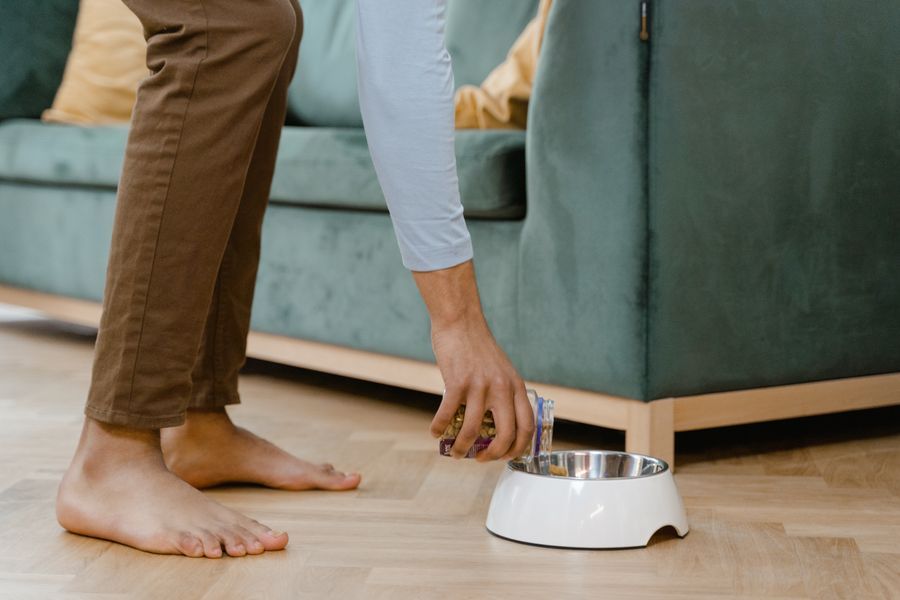
Treats belong in the day’s food total
Training rewards arrive in small pieces, which makes them easy to forget. A dental chew, pill pocket, table scrap, grooming reward, and visitor’s snack can make the same problem. The dog may still eat dinner because dinner has become a separate ritual, not because the dog has not already had enough food.
Set aside a measured handful of the regular meal for easy practice when it motivates the dog. For harder work, use smaller pieces of a more interesting food and take only the amount planned for that session. The guide to training treats without accidentally feeding a second dinner shows how to check a treat’s calories and work through the common example of twenty rewards on one walk.
Food is not the only reward. A sniff break, a toy, permission to go through a door, or greeting a familiar person can be useful when it follows the behavior the dog just offered. That reduces the pressure on the treat pouch without making training less clear.
Change food slowly enough to learn from it
If a new food is a reasonable choice, avoid changing every other variable at the same time. Keep treats familiar. Keep the portion measured. Do not add a new topper, chew, and table food during the same week. Otherwise an upset stomach gives you several possible explanations and no useful answer.
The site’s food-switching guide covers a gradual transition and the signs that mean it is time to stop experimenting. A pet with repeated vomiting, diarrhea, weight loss, painful urination, appetite loss, or a chronic condition should not be put through a succession of home food trials.
Dry food, wet food, and the routine around them
There is no single bowl setup that proves an owner is feeding well. Dry food can be convenient to measure and store. Wet food may be easier for some pets to eat and can add moisture to a meal. A mixed routine can work when the total amount is planned rather than guessed. The useful question is whether the chosen food is complete and appropriate for the pet’s life stage, and whether the household can feed it consistently.
Do not compare a scoop of dry food with a spoonful of wet food by appearance alone. Check the calories on both packages. A small amount of wet food used as a topper may be fine, but it is still part of the meal. The same applies to broth, freeze-dried toppers, and food used to hide medication. A topper that starts as a spoonful can quietly become the reason a pet no longer wants the regular meal.
Some pets need the predictability of set meals. Others do well with a measured daily amount divided across the day. Free-feeding can make it difficult to see whether appetite has changed, particularly in homes with several cats. It also makes a veterinary question harder to answer. “There is food available all day” is not the same as knowing what a pet ate.
If a pet suddenly rejects food that it normally accepts, do not solve the problem by offering a parade of richer options. Check whether there is a medical reason, a dental problem, a stressful household change, or something else that needs attention. A new food can wait until the pet is well enough for a normal feeding decision.
Build a meal schedule that the household can keep
The ideal schedule is one people can follow on a rushed weekday. A meal plan that depends on everyone remembering a different rule usually turns into accidental double-feeding. Decide who feeds breakfast, who handles dinner, where the scoop lives, and how a treat is counted. The answer can be written on the fridge. It does not need an app.
Dogs often benefit from predictable meal times because it makes bathroom routines, appetite changes, and treat totals easier to notice. Cats may prefer smaller meals, especially if a large meal is routinely left behind. The exact number of meals depends on age, health, and the individual animal. What matters at home is that the amount is measured and that a missed meal is visible rather than disappearing into a full bowl.
Travel, daycare, visitors, and a change in work hours are where feeding plans tend to unravel. Leave written instructions when another person is responsible for meals. Include the amount, the measuring tool, treats that are allowed, and who to call if the pet refuses food or becomes ill. A hand-off that says “feed as usual” assumes everyone means the same thing by usual.
Questions to ask after buying a food
After the bag is home, the label still has work to do. Keep the lot information and the manufacturer contact details. If the food smells unusual, the packaging is damaged, or the pet has a concerning change that might be linked to it, that information can matter to the company and the veterinarian.
Owners do not need to interrogate every manufacturer before buying a normal adult-maintenance food. The question becomes more important when a pet needs a specific diet, has a recurring problem, or when the household is choosing between similar products. The WSAVA toolkit can guide questions about who formulates the food, how the company handles quality control, and who can answer a technical question. A vague marketing claim is not an answer to those questions.
Keep the receipt and take a clear photo of the back label before recycling the bag. That small habit is useful if the clinic asks what changed, if a transition goes badly, or if you need to compare the next bag with the last one. It also saves a lot of guessing when different people in the home buy food at different times.
Feed each pet, not the household average
Multi-pet homes create their own feeding errors. The fast eater may finish both bowls. The slower animal may look picky when they simply have no quiet place to eat. A dog can learn that hovering near the cat’s dish pays off. A cat may wait until the dog is asleep before approaching water or food.
Watch one meal from start to finish. Who leaves first? Who circles back? Who watches the other bowl? Then change the setup: separate rooms, a gate, measured portions, or picking up bowls after the meal. The multi-pet feeding routine guide covers early guarding signs and the household changes that reduce conflict.

Weight changes deserve a calmer response
An abrupt food cut is rarely a good answer to one heavier weigh-in. For an indoor cat, sudden restriction can be risky. For any pet, a useful plan starts with measured food, a look at treats, a realistic activity change, and a veterinary conversation when body condition or health is a concern.
The indoor cat weight-management guide focuses on gradual adjustment. It is deliberately not a crash-diet plan. A pet that is losing weight without trying, gaining rapidly, drinking more, or changing appetite needs medical guidance before the household decides calories are the whole explanation.
A short weekly feeding check
Once a week, check the bag, the scoop, the treat container, and the places where different people feed the pet. Confirm the food still matches the pet’s life stage. Notice whether the amount in the bowl is being measured the same way. Look for treats and chews that have become automatic. Watch one multi-pet meal if bowls are shared.
Do the check on an ordinary week, not only after a problem. A normal baseline is useful later. You may notice that the cat usually leaves a spoonful of breakfast but finishes dinner, or that the dog drinks more after a long walk and returns to normal the next morning. When something changes, compare it to that familiar pattern before deciding the food is to blame.
In a shared household, write down any temporary rule before a trip or a busy week: which food to use, the measured amount, where treats are kept, and what should prompt a call. That prevents a helpful neighbor or pet sitter from adding a second meal because the bowl looked empty.
That is enough for most healthy adults. The goal is a feeding routine someone can describe clearly to a veterinarian: this is the food, this is the measured amount, these are the extras, and this is what changed.
When a veterinarian should lead the decision
Call before changing food for a growing pet, a senior animal with new health changes, a pregnant or nursing pet, or any pet on a prescription diet. Call when there is repeated vomiting, diarrhea, refusal to eat, unexplained weight change, increased thirst, urinary changes, pain, or a suspected food reaction. Bring the current bag or a clear photo of the label, the measured daily amount, and the names of regular treats and supplements.
The WSAVA Global Nutrition Toolkit has questions owners can use when evaluating a food company. Those questions are most useful after the immediate medical issues have been addressed.


