Check access, storage and escape paths before assuming a familiar room is safe.
- Secure cords, bins and cleaning supplies
- Check plants and small objects
- Plan exits, gates and travel routines
Safety note: This article provides general pet behavior education only. It is not a veterinary diagnosis or a substitute for a qualified behavior professional. Contact a veterinarian or certified behavior professional if behavior changes suddenly, includes aggression, self-injury, panic, house-soiling with pain, or signs of illness.
Travel days create confusion for pets because ordinary cues change at the same time. Bags appear, feeding times shift, doors open more often, and a new person may suddenly become responsible for routines that usually run on memory. A good hand-off is not a dramatic binder. It is a clear, practical transfer of the habits that keep a dog or cat safe, fed, comfortable, and easy to read.
This guide is general pet care information for US households. It is not veterinary advice and cannot replace a veterinarian, emergency clinic, or qualified behavior professional. If your pet is ill, injured, refusing food, struggling to breathe, repeatedly vomiting, or may have eaten something unsafe, contact a veterinarian promptly. For broad prevention resources, the <a href=“https://www.avma.org/resources-tools/pet-owners/petcare”>American Veterinary Medical Association pet care guidance</a> and the <a href=“https://www.aspca.org/pet-care/animal-poison-control”>ASPCA Animal Poison Control Center</a> are useful starting points.
If this topic is part of a wider home routine, it helps to compare it with preparing a dog for car rides without making every trip stressful and how to check a guest room before a pet stays overnight. Those nearby guides cover moments that often overlap with this one.
Begin with the normal day, not the emergency list
Most hand-offs fail because they start with rare emergencies and skip the ordinary day. Write the daily rhythm first: wake time, toilet or litter routine, breakfast amount, water habits, walk times, medication timing if applicable, nap places, play style, dinner, evening reset, and bedtime. The sitter should know what normal looks like before they can notice what is abnormal.
Use concrete details. “Feed one measured cup at 7 a.m.” is better than “feed breakfast.” “Cat usually eats half, leaves, and returns within an hour” is better than “cat is picky.” A temporary caregiver needs patterns, not personality labels.
Make one visible hand-off station
Put essential items in one place: food, measuring tool, treats, lead or harness, carrier, towels, waste bags, litter supplies, cleaning spray, medication instructions, veterinary contact, emergency clinic address, microchip number if available, and your travel contact. This reduces searching, and it also prevents improvisation.
Do not assume the sitter will find things where you usually keep them. A household may have three drawers that make sense only to the person who lives there. A single station removes friction when the pet is already watching every movement.
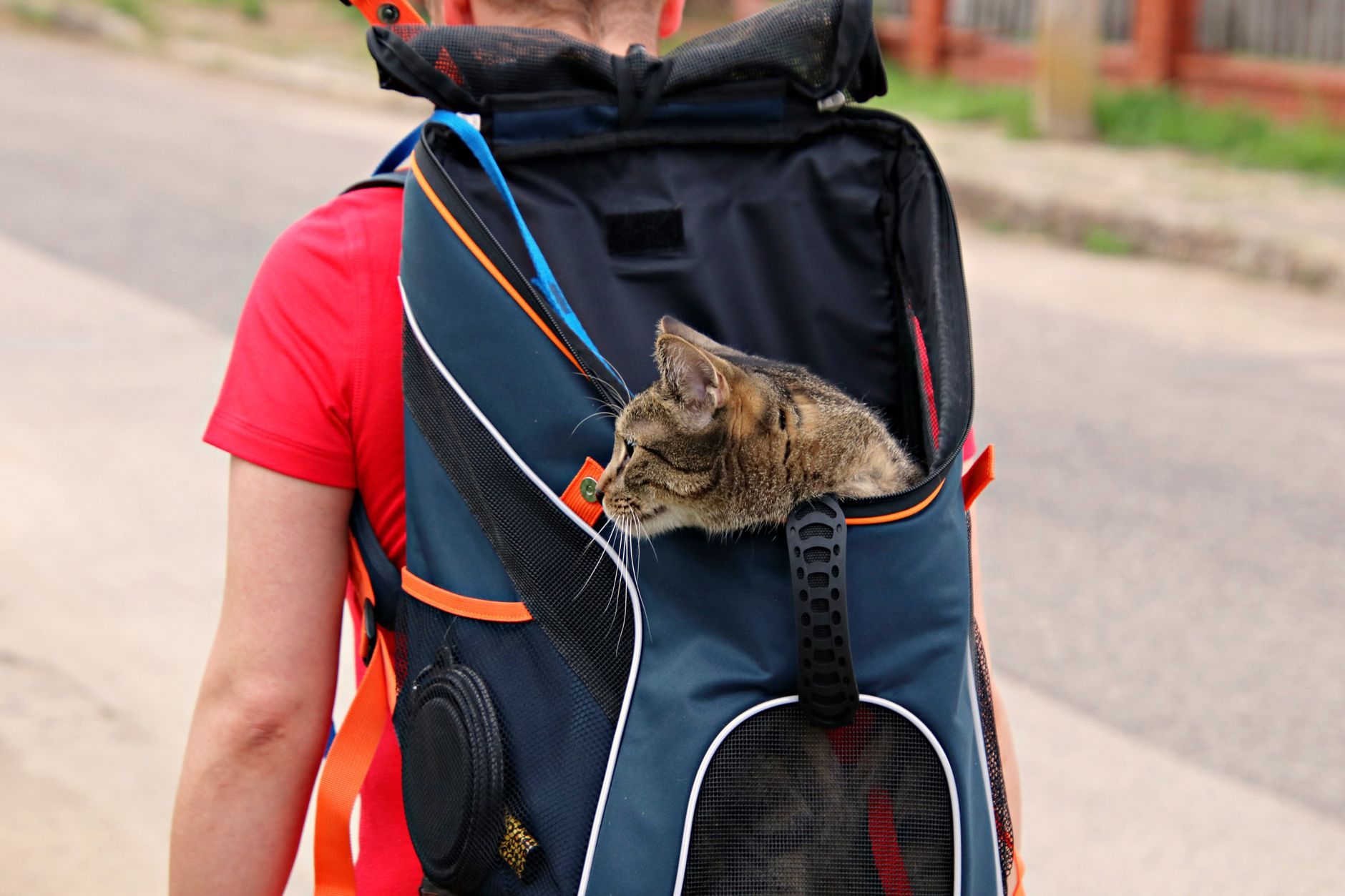
A domestic cat peeks out from a backpack worn by an adult walking outdoors. Photo by Marek Kupiec on Pexels.
A practical hand-off checklist
- Food brand, amount, measuring method, and where extra food is stored.
- Treat rules, including foods that are never allowed.
- Walk route, harness fit, door rules, and where keys live.
- Litter, toilet, or garden routine and what changes matter.
- Medication name, dose, timing, storage, and who prescribed it.
- Veterinary clinic, emergency clinic, and your preferred contact order.
- Photos of the pet, carrier, and any equipment that might be confused.
Keep the checklist short enough that someone will actually read it. If your pet has complex medical needs, create a separate veterinary instruction sheet and review it directly with the caregiver.
Food instructions should remove choices
Food is a common source of accidental change. Measure portions before you leave or mark the scoop clearly. If treats are allowed, set a daily treat container. When treats are gone, they are gone. This prevents the friendly mistake of each household member or sitter giving “just one more.”
Keep human food boundaries visible. Chocolate, grapes, raisins, onions, garlic, alcohol, xylitol-containing gum or sweets, and some other common foods can be dangerous for pets. The <a href=“https://www.aspca.org/pet-care/animal-poison-control/people-foods-avoid-feeding-your-pets”>ASPCA people-foods list</a> is a helpful reference, but urgent ingestion questions should go to a veterinarian or poison-control service.
Walks and doors need rehearsal
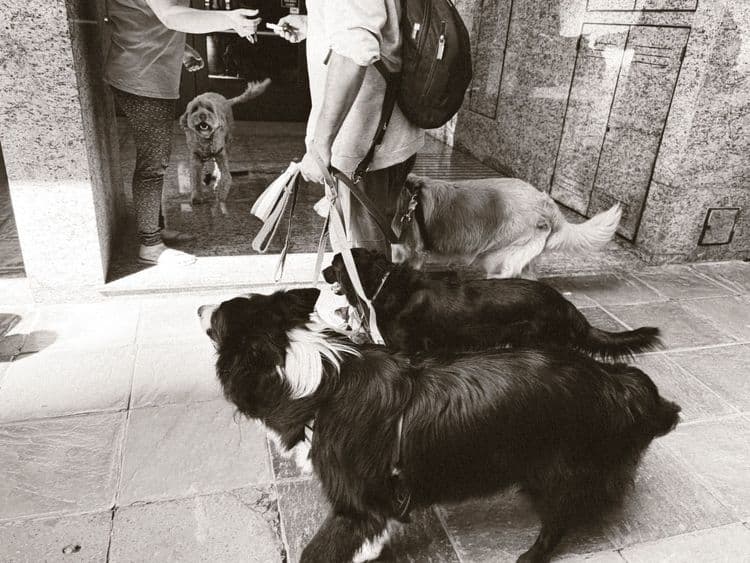
If a sitter will walk a dog, do a short practice walk before the trip. Check harness fit, leash clip, door behavior, preferred route, and what the dog does when meeting other dogs, bicycles, runners, children, or traffic. A note that says “friendly” is not enough. Friendly dogs may still pull, jump, freeze, or bark in a new handler’s hands.
Door routines deserve special attention for cats and dogs. Explain whether the pet tries to slip out, rush guests, hide under furniture, or crowd the entry. Put a gate, closed interior door, or carrier plan in place before luggage and deliveries make the house busier.
Medication notes must be exact
Medication instructions should be copied from the prescription label or veterinary directions. Include the medication name, dose, route, time, food requirement, storage, and what to do if a dose is missed. Do not ask a sitter to interpret vague language such as “give the usual pill.”
If medication is difficult, demonstrate the method or arrange professional boarding, veterinary nursing support, or a caregiver who has handled that need before. Some pets accept tablets in food; others spit them out, hide, or become stressed. The safest plan is the one that matches the actual animal.
Observation log for the caregiver
Ask for a simple daily note rather than constant messages. Useful entries include appetite, water, toilet habits, walks, mood, vomiting, coughing, scratching, hiding, unusual stool, or missed medication. Photos can help, but they should support the log rather than replace it.
A sample entry might read: “Monday: ate breakfast slowly, finished by 9 a.m.; normal walk; drank normally; soft stool once at 4 p.m.; playful after dinner.” That gives you enough context to decide whether to monitor, ask questions, or call a veterinarian.
Prepare for the small disruptions
Leave extra supplies: more food than the exact trip length, spare litter, cleaning products, towels, a backup lead, and the carrier. Travel delays happen. A sitter should not need to shop for a specific diet or improvise with a different litter on the last day.
Write down the location of shutoff valves, fuse box, thermostat, and spare key only when relevant and only for a trusted caregiver. Pet care is connected to the home itself. A heat wave, power cut, broken lock, or water leak can affect the animal quickly.
When boarding may be the better option
Home care is not always best. Boarding or veterinary-supervised care may fit better for pets with complex medication, severe separation distress, escape risk, serious conflict with other animals, or fragile health. Ask the facility about vaccination requirements, staff supervision, emergency procedures, cleaning practices, and how they handle stress.
The choice is not about which option sounds kinder. It is about which setting can meet the pet’s needs reliably while you are unavailable.
Return gently
When you come home, do not judge the whole trip by the first five minutes. Some pets are overexcited, sleepy, clingy, or annoyed after a routine change. Read the caregiver notes, check food and medication records, and look at toilet habits. If something seems off, contact your veterinarian rather than waiting for a vague feeling to become a crisis.
A calm hand-off turns pet care into shared information instead of guesswork. The goal is not to control every moment while you are away. It is to give the temporary caregiver enough ordinary detail to keep your pet’s day recognizable.
Keep emergency choices pre-decided
A caregiver should not have to guess what counts as urgent. Write down the situations that require immediate veterinary contact: suspected toxin exposure, repeated vomiting, breathing trouble, collapse, seizure, inability to urinate, severe pain, major bleeding, or sudden weakness. Include permission boundaries too. If you authorize emergency assessment up to a certain cost before you can be reached, put that in writing for the clinic and caregiver.
Money conversations feel awkward, but they prevent dangerous delays. Clinics may need consent before treatment, and a sitter may hesitate if they do not know your preference. Keep the language calm: call this clinic first, use this emergency clinic after hours, contact me by phone and text, and if unreachable for a serious emergency, proceed with veterinary assessment.
Test the instructions with a five-minute read-through
Before leaving, hand the instructions to the caregiver and ask them to explain the first morning back to you. This is not a test of intelligence. It reveals missing details. If they ask where the measuring cup is, where the litter bags go, or which door the dog uses after rain, the document is doing its job by exposing assumptions while you are still home.
After the trip, update the notes. Remove details that did not matter and add anything the caregiver had to ask. A hand-off sheet gets better each time it is used. The best version is specific to your home, your pet, and the kind of travel disruption that actually happens in your life.
Include pet-specific comfort cues
A hand-off should include the details that sound small but prevent stress. Note where the cat hides during storms, which blanket the dog chooses after dinner, whether the pet prefers water in a ceramic bowl, and which noises trigger barking or hiding. These details do not replace safety instructions, but they help the caregiver keep the day familiar.
Comfort cues are also useful after a problem. If the sitter knows that your cat always spends the afternoon on the bedroom chair, hiding behind the washing machine becomes more meaningful. If your dog normally greets the lead with a loose body, sudden reluctance can be recorded as a change instead of dismissed as mood.
Do a final home reset before departure
Right before leaving, walk the rooms your pet can access. Close bins, lift luggage straps, remove snack bags, check windows, secure medications, put cleaning products away, and make sure the caregiver’s supplies are visible. Travel days scatter objects at exactly the moment supervision becomes less consistent.
This final reset is not about perfection. It gives the sitter a calmer starting point and prevents the most avoidable risks from being inherited by someone who is still learning the home.
When behavior needs professional help
Ask a veterinarian or qualified behavior professional for help if the behavior appears suddenly, includes biting or repeated aggression, causes injury, involves panic, happens with pain or appetite changes, or gets worse despite calmer handling. Training works better after pain, fear, and medical causes are considered.
The handoff should start before the suitcase appears
Travel-day stress often begins when the house changes pace. Suitcases, laundry, chargers, documents, and rushed conversations can make pets alert before the sitter arrives. Prepare the pet-care handoff the day before if possible. Put food, medication, litter, leash, waste bags, emergency contacts, and door rules in one visible place.
The goal is not a workable binder. It is a setup another adult can follow while tired, distracted, or arriving after a delayed flight.
What the sitter needs in the first ten minutes
The first ten minutes should answer the practical questions: where is the pet, which doors stay closed, what food is measured, what medication exists, what behavior is normal, and who gets called if something looks wrong. If the sitter has to search for bowls or guess which room is safe, the handoff has already failed.
Leave one short page for essentials and a second page for details. Long instructions are useful only after the basics are impossible to miss.
Red flags during travel coverage
Ask the sitter to contact you and a veterinarian if the pet refuses food for an unusual length of time, vomits repeatedly, has diarrhea, strains to urinate, hides in a way that is not normal, escapes, gets injured, eats a questionable item, or shows sudden aggression or panic. A good handoff includes permission to act, not only instructions to observe.
Related reading for the same problem
For related dog routines, compare helping a dog stay calm when left alone, the storm and fireworks plan, and dog car ride preparation without stress.
Four handoff versions for different travel plans
A same-day absence needs feeding, bathroom, door, and contact instructions. A trip of three days or more needs a written schedule, medication details, emergency permission, and a backup person. A drop-in sitter needs access rules, pet hiding places, and what counts as “not seen.” A home-boarded pet needs food, bedding, vaccine information if required by the host, and a quiet arrival plan.
Do not use one generic list for every situation. The longer the trip and the less familiar the caregiver, the more concrete the handoff must be.
Medical details that must be handed over
Write the pet’s regular food, allergies, current medication, exact dose, dose time, prescribing veterinarian, primary clinic, nearby 24-hour emergency clinic, microchip information, and what the sitter is allowed to authorize if you cannot answer. If a pet has seizures, diabetes, kidney disease, urinary issues, heart disease, food allergies, or a history of eating objects, put that information on the first page.
The caregiver should not change food, add supplements, give human medicine, or improvise treatment. If something looks wrong, the handoff should make calling a veterinarian easier, not slower.
Multi-pet handoff rules
Label each pet separately. Use names on bowls, medication containers, leash hooks, litter notes, and bedroom doors if needed. Feed pets apart when there is any history of stealing, guarding, different diets, or speed eating. Leave a simple map of who can share space and who cannot.
A good multi-pet handoff prevents accidental mixing: the cat with urinary food does not eat dog food, the slow eater does not lose dinner, and the nervous pet has a place to retreat.
Related reading for the same problem
For nearby daily-care routines, compare the beginner grooming routine, the weekly grooming check, and pain observation without guessing.
Source notes and further reading
- ASPCA: Common dog behavior issues
- ASPCA: Common cat behavior issues
- International Association of Animal Behavior Consultants: Find a behavior consultant
- Cornell Feline Health Center: Cat health topics


