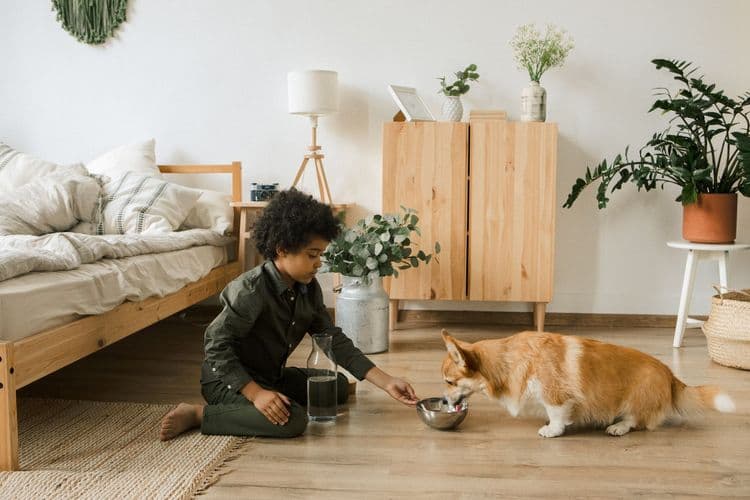
Check access, storage and escape paths before assuming a familiar room is safe.
- Secure cords, bins and cleaning supplies
- Check plants and small objects
- Plan exits, gates and travel routines
Safety note: This article provides general household pet safety guidance only. It is not veterinary medical advice, diagnosis, poison-control instruction, or emergency treatment guidance. If a pet swallows a toxic item, foreign object, medication, chemical, battery, string, or sharp object, contact a veterinarian or animal poison control right away.
By Best Pet Care Guide Editorial Team
Many dogs are patient with children. That patience can hide how much effort the dog is using. A dog may tolerate hugs, leaning, loud play, face-to-face greetings, or a toddler walking past the food bowl until one day the dog growls. Then everyone acts surprised.
A growl is not a failure of obedience. It is communication. The safer goal is to arrange the home so the dog does not need to escalate, and the child does not have to guess what is safe.
This routine also connects with a room-by-room pet safety reset for busy homes and how to choose safer chews and toys before your pet gets bored, especially if you are making several small changes without overwhelming your pet.
The rule adults must own
Children should not be responsible for reading every dog signal. Adults need to set the environment. That means deciding where the dog can rest, when contact stops, how greetings work, and what happens during meals, snacks, toys, and visitors.
“Be gentle” is too vague for young children. Concrete rules work better: let the dog come to you, pet the shoulder instead of hugging the neck, do not climb on the dog, do not bother the dog while eating, and leave the dog alone in the resting spot.
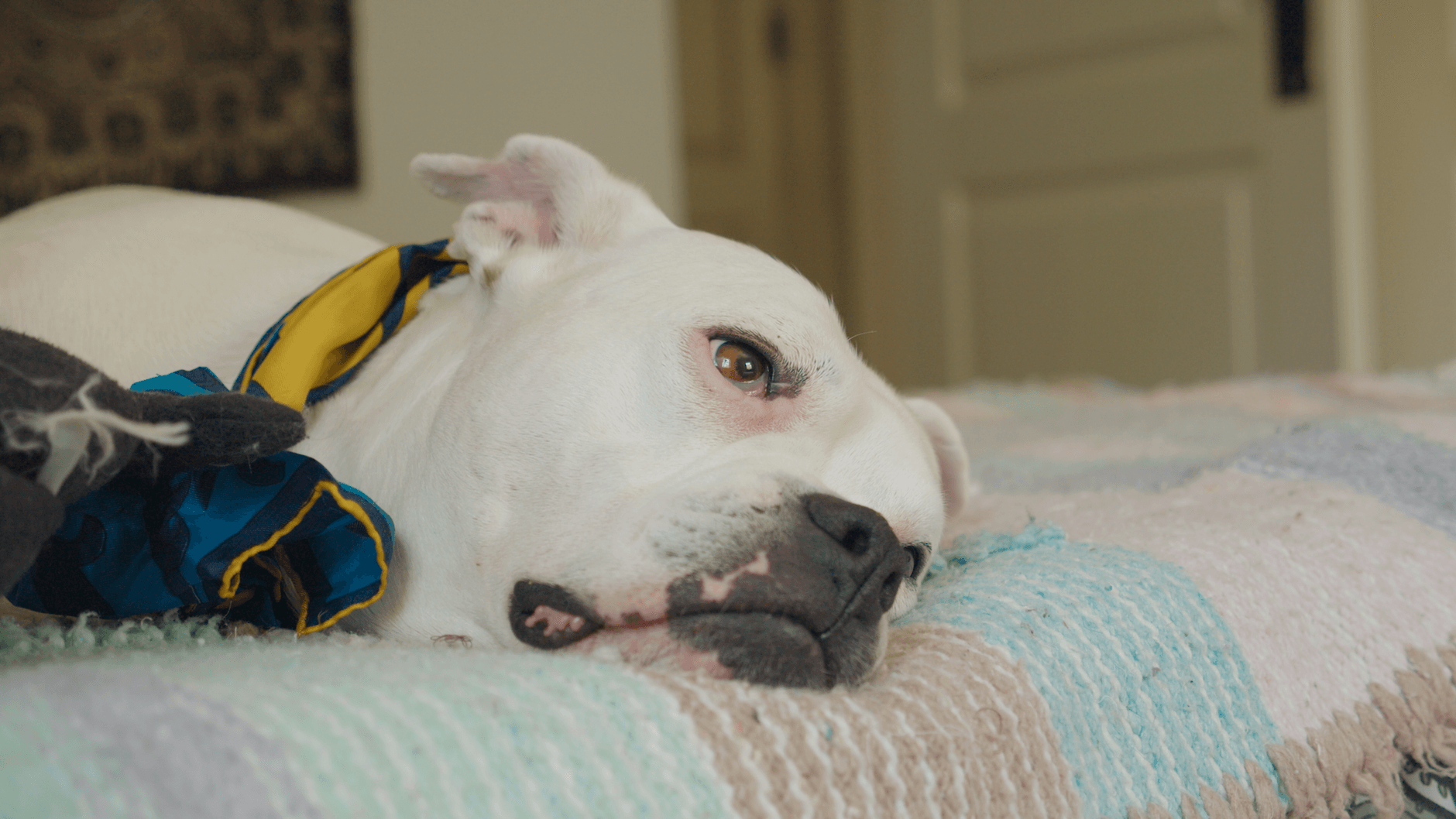
A protected rest space gives the dog a safe place to withdraw. Photo by K on Pexels.
Household rules that prevent most confusion
- The dog has a rest area where children do not enter.
- No one hugs, rides, pulls, pokes, or traps the dog.
- Food bowls, chews, and special toys are handled by adults.
- Children call the dog once, then let the dog choose.
- Adults interrupt rough play before the dog gets overexcited.
- A growl means pause and create space, not punish the warning.
Body language adults should notice
These signals do not mean the dog is bad. They mean the current interaction is not working.
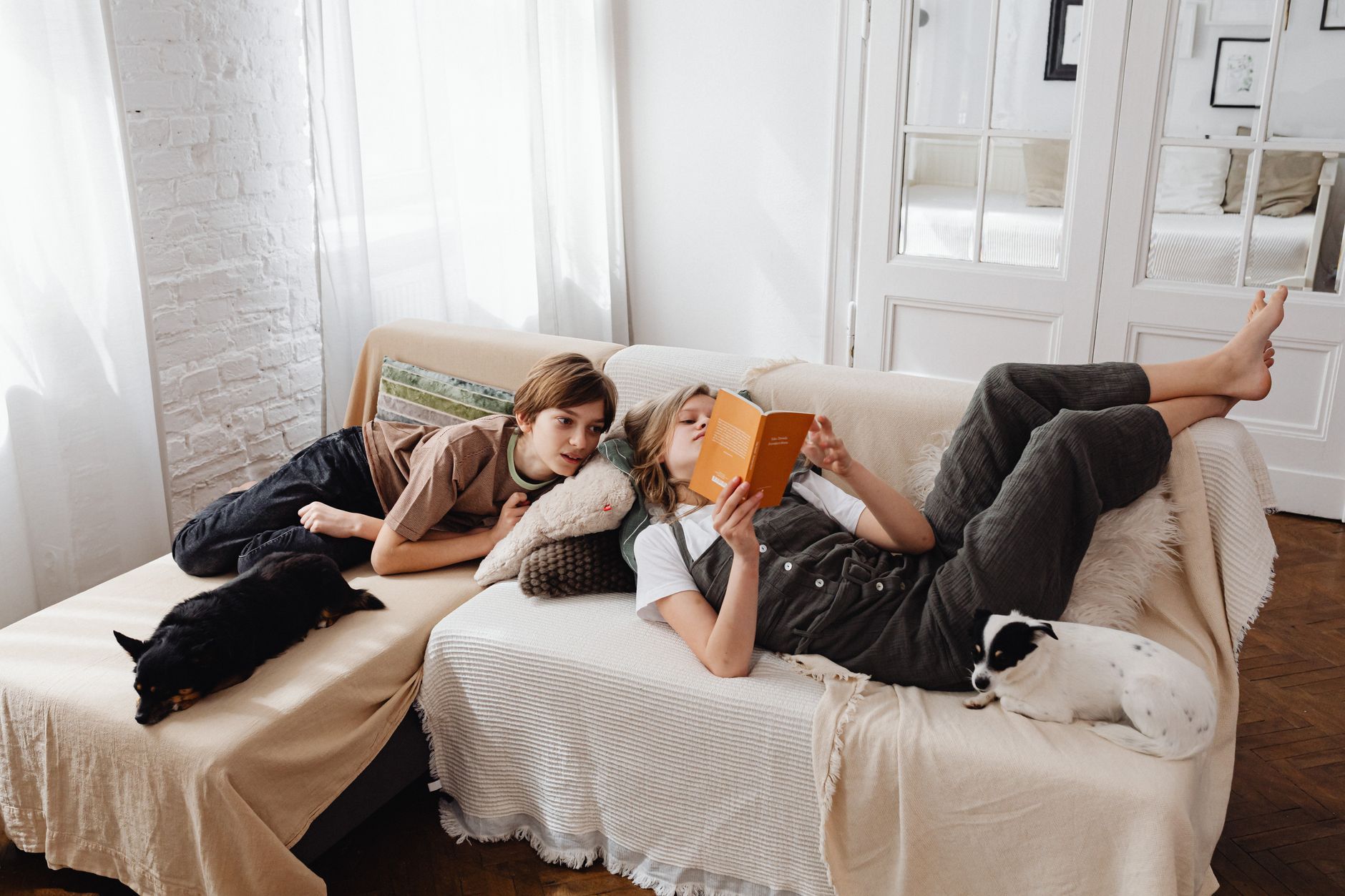
Short scenario: the couch problem
A child sits beside the dog on the couch. The child leans in, puts an arm around the dog’s neck, and laughs. The dog turns away, licks lips, then freezes. An adult says,“He’s fine, he loves you.”
A safer response is different. The adult says,“Let’s give him space,” helps the child stand up, and invites the dog to leave if he wants. Later, the family changes the rule: couch cuddles happen only when the dog chooses to lie beside someone, and hugging the neck is not part of the game.
Small changes like that prevent the dog from needing louder warnings.
What to do after a growl
Do not punish the growl. Punishing the warning may remove the signal while leaving the discomfort in place. Instead, calmly separate the child and dog, identify what happened before the growl, and change the setup.
Was there food nearby? Was the dog resting? Was the child leaning over the dog? Was the room loud? Was the dog cornered? A single growl is useful information. Repeated growling means the home plan needs help.
When professional help is the responsible choice
Get help if the dog has bitten, snapped, guarded food or toys, stiffened around children, growled repeatedly, or shown sudden behavior changes. Also involve a veterinarian if pain may be part of the behavior. A dog with sore joints, ear pain, dental pain, or illness may have less tolerance for handling.
Set up the room before the child enters
The safest child-and-dog plan starts before anyone touches the dog. Put the dog bed, crate, or mat in a place where the dog can leave the interaction without passing through the child. Keep food bowls, chew items, and special toys out of shared play spaces. Use baby gates when adult attention is divided.
This is not about blaming the child or the dog. It is about reducing pressure. A dog who has a clear exit is less likely to feel trapped, and a child who sees simple boundaries is less likely to invent their own rules.
A two-minute reset for tense moments
If adults notice stiff posture, lip licking, whale eye, a tucked tail, or the dog moving away repeatedly, pause the interaction immediately:
- Ask the child to stand up and move to an adult.
- Invite the dog away without grabbing the collar.
- Remove food, toys, or crowding from the area.
- Give everyone a quieter activity for several minutes.
The AVMA dog bite prevention guidance emphasizes supervision and prevention because many bites happen in familiar settings, not only with unfamiliar dogs.
Visitors and busy rooms need stricter rules
Parties, sleepovers, and holiday meals change the risk level. Children run, adults talk, doors open, and the dog may be touched by people who do not know the household rules. During busy events, management can be kinder than constant correction. A quiet room, gate, or rest period may be safer than expecting the dog to tolerate everything.
Make rules visible to guests
Visitors often break rules because they do not know them. A simple note near the door can help: let the dog approach first, do not hug, do not take toys, and ask an adult before offering food. This may feel formal, but it protects everyone from guessing.
For young children, practice with stuffed animals before the dog is involved. Show where to pet, how to call once, and how to stop when an adult says “space.” The rehearsal should be short and calm. The dog should not be used as the practice object while the child is still learning.
Feeding and rest need separate boundaries
Mealtimes and nap times are common trouble spots. Feed the dog away from children’s play areas. Put chews away before children enter the room. Let the dog’s bed or crate function as a true rest place, not a stage where children visit whenever they want attention.
A simple script for adults
Adults need a script they can repeat without sounding alarmed. Try: “We give the dog space when he is eating, sleeping, chewing, or walking away.” That sentence covers most risky moments and is easier for children to remember than a long lecture.
If a child forgets, redirect the child rather than scolding the dog. Say, “The dog is resting, so we are moving to the table.” The adult controls the room. The dog should not have to enforce the rule.
Common mistakes that make introductions harder
Do not ask the dog to tolerate hugs for a photo. Do not let children crowd the dog at the doorway. Do not let children remove toys from the dog’s mouth. Do not let adults laugh off stiff posture because the dog is usually friendly.
A safer home treats early warning signs as useful information. When the dog turns away, freezes, lip licks, guards an item, or leaves the room, the answer is more space and better management, not pressure to keep interacting.
A room setup that makes success easier
Before the child and dog share space, set the room so the adult does not have to react every few seconds. Put the dog bed away from the busiest walkway. Remove high-value chews and food bowls. Keep a baby gate available if the room gets loud. Give the child a place to sit or play that does not block the dog from leaving.
This setup matters because many child-dog problems start with crowding. A dog resting under a coffee table may feel trapped. A child standing between the dog and the doorway may not realize they are blocking the exit. A room with clear paths gives the dog more choices and gives adults more time to intervene calmly.
Practice before the room gets exciting
Repeat the rules before visitors arrive, not after the dog is already surrounded. Children often remember boundaries better when they rehearse them in a quiet room first. Ask the child to show where they will stand, how they will call the dog, and what they will do if the dog walks away.
Adults own the setup
Children and dogs should not be asked to manage the first introduction alone. Adults control space, timing, food, toys, exits, and noise. A dog who is eating, sleeping, chewing, hiding, or walking away should not be approached.
The safest rule is simple enough for a child to repeat: if the dog is busy or leaving, get an adult.
A room layout that lowers pressure
Place the dog bed away from the busiest walkway. Remove high-value chews and food bowls. Keep a gate or leash available for management. Make sure the dog can leave without passing through a crowd of children.
Many problems begin when a dog feels trapped. Clear exits are as important as friendly behavior.
Warning signs adults should respect
Freezing, lip licking, whale eye, turning away, tucked tail, growling, guarding, or repeated escape attempts mean the interaction needs to stop. Do not punish warning signs. They are information that the setup is too hard.
Related reading for the same problem
For related dog routines, compare helping a dog stay calm when left alone, the storm and fireworks plan, and dog car ride preparation without stress.
Add cat safety rules for children
Children also need rules for cats: do not corner a cat, pull a tail, pick up a hiding cat, chase a running cat, or touch a cat in the litter box. A cat who flattens ears, lashes the tail, freezes, hides, hisses, or tries to leave needs space. Scratches often happen when adults miss those early signals.
Dogs and cats both need an adult-owned setup. Children should not be asked to manage animal stress alone.
Rules by child age
Children under three need full adult control of space. They cannot reliably read animal body language. Ages three to six can learn simple rules such as gentle hands, no hugging, and call an adult when the pet walks away. Older children can help with feeding, training games, or brushing only after adults show the safe steps.
No child should disturb a pet who is eating, sleeping, chewing, hiding, or caring for young.
Dog age and personality adjustments
Puppies need extra structure around mouthing, jumping, stolen toys, and overexcited play. Adult dogs need protected rest and predictable child rules, especially around food and toys. Senior dogs may be less tolerant of noise, hugs, or sudden touch because hearing loss, vision change, or pain can make surprises harder.
Shy dogs need more distance and no forced greetings. Dogs with guarding history should eat behind a closed door or gate, with children kept away from bowls, chews, beds, and high-value toys.
Bite or scratch response
For any bite or scratch, move the child and animal apart calmly. Wash the wound with running water and soap, then contact a medical professional for deep wounds, face or hand injuries, punctures, swelling, fever, unknown vaccination status, or a bite from an unfamiliar animal. Also contact a veterinarian or behavior professional before repeating the same interaction setup.
Family safety rules checklist
The checklist should be boring and visible. It is there to prevent predictable conflict before anyone has to react.
Related reading for the same problem
For related behavior and routine topics, compare alone-time calm, storm and fireworks planning, and car ride preparation.
Why warning signs deserve respect
Child-and-dog safety starts with history, body stiffness, growling, barking, high arousal, and adult management. Families do not need to diagnose aggression to act safely. If a dog freezes, turns away, guards food, hard-stares, or growls around a child, the responsible move is distance and a better setup.
That does not mean the dog is bad. It means the adults need to lower pressure before the dog has to make a louder choice. Protected rest spaces, supervised greetings, and clear food rules prevent many problems before anyone needs to test the dog’s patience.
Source Notes and Further Reading
- AVMA: Dog bite prevention
- CDC: Preventing dog bites
- International Cat Care: Cats and children
Full medical, behavior, nutrition, and commercial boundary
This article is general pet care education for US pet owners. It is not veterinary medical advice, diagnosis, treatment, nutrition planning, poison-control instruction, emergency guidance, or a substitute for a qualified behavior professional.
Do not delay professional care because of anything on this page. If your pet may have swallowed a toxin, medication, battery, string, sharp object, chemical, or unknown material, or shows severe distress, breathing trouble, collapse, inability to urinate, repeated vomiting, severe pain, or sudden weakness, contact a veterinarian, emergency clinic, or animal poison-control resource right away.
This page does not contain sponsored placements, affiliate shopping links, paid reviews, or brand-provided product samples. If commercial links are added later, they should be disclosed clearly near the relevant link or product section.


