Start with the smallest routine that the pet and household can handle consistently.
- Keep sessions short and predictable
- Watch comfort and stress signals
- Escalate grooming or health concerns to a pro
Last updated: July 7, 2026.
A water bowl looks simple until the household gets busy. Dogs drip after walks, cats leave hair at the rim, children move bowls, and someone tops up old water instead of washing the dish. This guide is general pet-care education, not veterinary diagnosis. If a cat or dog suddenly drinks far more or far less than usual, refuses water, vomits repeatedly, seems weak, or has urinary changes, contact a veterinarian. For a broader evening scan, pair this routine with the site’s simple night check.
The goal is not a spotless kitchen. The goal is a rhythm that makes clean water easy enough that people actually keep doing it. A bowl routine should answer four questions: where the bowl sits, who washes it, how often water is refreshed, and what changes deserve a note for the clinic. When those questions are answered, hydration becomes easier to observe without turning every sip into worry.
Pick bowl locations your pets will use
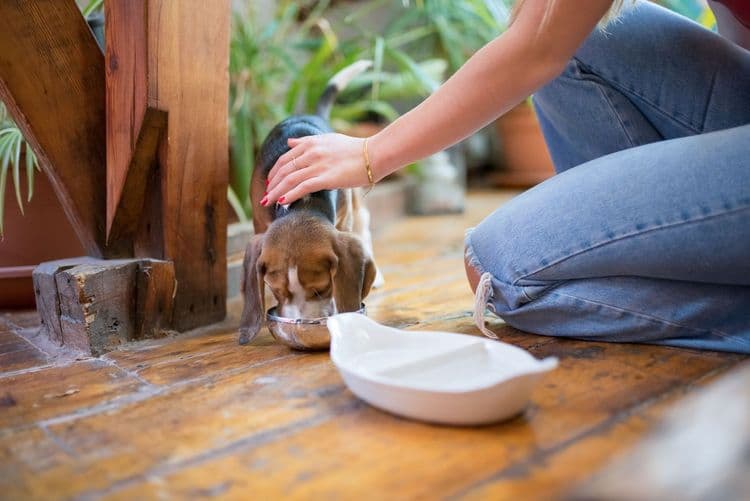
Start with traffic. A bowl beside a slamming door, a loud washer, or a child’s backpack pile may be technically available but ignored by a cautious pet. Cats often prefer water away from food and litter areas. Dogs may need one bowl near the main living area and another near the exit used after walks. Multi-level homes may need water on more than one floor so older pets do not skip drinking because stairs are tiring.
Placement also affects cleanliness. A bowl under a shoe rack collects grit. A bowl beside the trash can picks up smells and spills. A bowl in direct sun may warm quickly. Use a washable mat under the dish, but avoid deep ridges that trap slime. If a pet tips bowls for play, choose a heavier dish and move it away from cords, rugs, and furniture legs.
Wash the dish, not only the water
Bowl material warning: Replace scratched plastic, cloudy plastic, cracked ceramic, or chipped bowls instead of trying to scrub them indefinitely. Grooves and cracks can hold residue, and sharp edges can irritate lips, tongues, or gums.
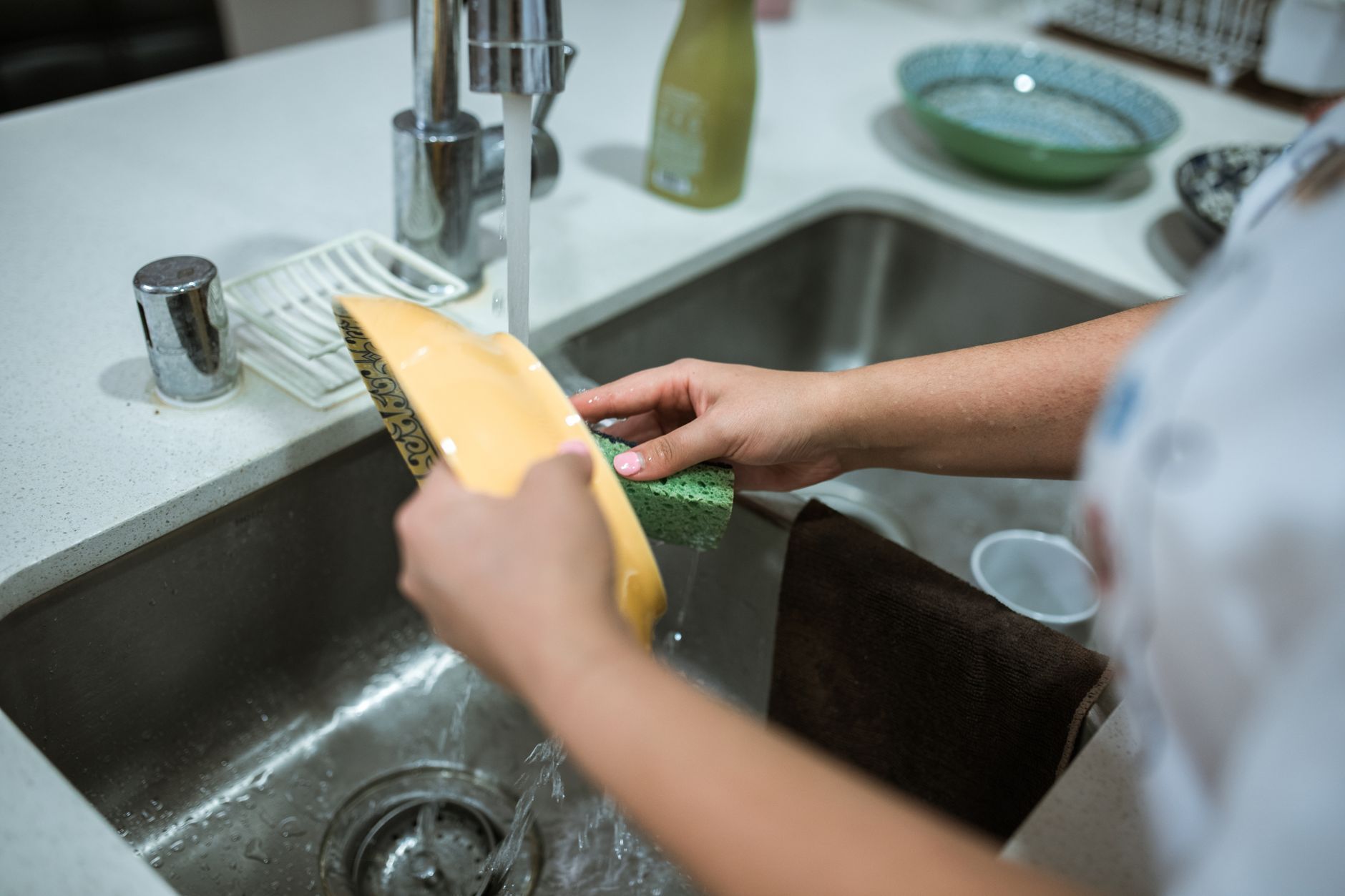
Topping up old water can hide the problem. The surface may look clear while the bowl wall feels slick. That film is a sign the dish needs washing, not another pour. Once daily washing is a good default for many homes, and more often may be needed for drooly dogs, outdoor pets, warm rooms, or shared bowls. Use hot water and ordinary dish soap, rinse well, and let the bowl dry when possible.
If the household uses a dishwasher, check whether the bowl material is dishwasher-safe. Stainless steel and ceramic dishes are often easier to clean than scratched plastic. Replace plastic when it becomes cloudy, scratched, or smelly. Replace chipped ceramic instead of trying to make a damaged bowl last longer.
Watch drinking patterns without counting every sip
Most families do not need to measure every ounce unless a veterinarian asks them to. A steadier habit is to notice the baseline: how full the bowl is in the morning, whether the pet returns after meals, and whether water disappears much faster than usual. Sudden heavy drinking can be linked to heat, exercise, diet changes, medication, diabetes, kidney disease, or other medical issues. The home job is observation, not diagnosis.
Write down changes that repeat for more than a day or arrive with other signs. Useful notes include appetite, urination, stool changes, energy, vomiting, heat exposure, and any new food. The FDA’s animal health literacy resources at fda.gov are a useful reminder that health changes need context. A short note helps the veterinarian ask better questions.
Adjust for cats, dogs, seniors, and young pets
Cats may drink more willingly from wide bowls that do not press their whiskers. Some cats prefer moving water, but fountains still need frequent washing. Dogs that return from walks may drink fast, so offer water calmly and avoid intense play right after large meals. Puppies and kittens need easy access, but bowls should be stable, shallow enough to reach, and placed where they cannot be stepped in repeatedly.
Senior pets may need closer bowls, non-slip footing, and raised or low setups depending on mobility. A dog with neck discomfort may struggle with a floor-level bowl. A cat with arthritis may avoid a bowl placed on a counter or tight corner. If a senior pet suddenly changes where or how they drink, think about pain, balance, vision, and medical causes rather than assuming stubbornness.
Keep shared bowls from becoming conflict points
In multi-pet homes, water can become part of the resource map. One confident pet may block a narrow doorway, or a timid cat may wait until the dog is asleep. Set at least two water stations in separate areas. Do not place every bowl in one busy corner. The same logic appears in the site’s multi-pet safety system: resources work better when pets can approach and leave without being trapped.
For dog-and-cat homes, give cats a quiet option the dog cannot crowd, such as a raised surface or a gated room with a cat opening. Watch whether one pet guards the water after meals or play. Growling, freezing, staring, or chasing around a water station should be handled by changing the setup, not by scolding the pet near the bowl.
Make the routine visible to people
A routine fails when everyone assumes someone else did it. Put a small washable note near the sink or add the bowl to an existing chore list. Morning can mean wash and refill. Evening can mean rinse the mat, check the water level, and set fresh bowls before bed. If the home already does a kitchen reset, attach the pet-water task to that moment.
Avoid scented cleaners, essential oils, or strong disinfectants unless your veterinarian or the product label says they are safe for pet food surfaces. Rinse thoroughly. Store extra clean bowls where they are easy to grab, so a dirty dish does not sit out because the only spare is in a high cabinet. The lower the friction, the more reliable the habit.
When water changes should not wait
Urgent hydration or urinary signs: Call a veterinarian promptly if a pet cannot keep water down, seems dehydrated, collapses, strains to urinate, passes blood in urine, suddenly drinks much more with weight loss, or becomes weak. These are health signals, not bowl-hygiene problems.
If the change is milder but repeats, write down water intake, appetite, urination, stool changes, heat exposure, medication changes, and energy level before you call the clinic. The American Veterinary Medical Association’s pet owner guidance at avma.org can help owners frame general care questions, but urgent signs need direct professional advice.
Do not give human medication or electrolyte products without veterinary guidance. Do not force water into a struggling pet’s mouth. For suspected poisoning, follow professional poison-control or veterinary instructions rather than home recipes. Water access matters, but medical signs around thirst, urination, vomiting, or weakness should move the decision out of the chore list and into a clinic call.
A seven-minute water station reset
Once a week, do a slightly deeper reset. Wash every bowl, scrub mats, check for chips, move furniture that blocks access, and watch each pet approach the station once. Replace cloudy plastic or cracked ceramic. Add a second bowl if one area is crowded. Then write one sentence: normal, drinking more, drinking less, or setup changed. That note is small, but it turns a bowl into a useful health observation point.
A useful routine is the one the household repeats without drama. Clean dish, fresh water, sensible placement, and a short note when something changes. That is enough for most days, and it leaves room for the right next step when the pattern stops looking ordinary.
Emergency help and official resources
For suspected poisoning, cleaner exposure, medication ingestion, severe vomiting, collapse, breathing trouble, seizure activity, inability to urinate, or rapid weakness, contact a veterinarian or an emergency clinic first. In the United States, ASPCA Poison Control lists (888) 426-4435 as its 24-hour animal poison emergency number; a consultation fee may apply.
Use general resources such as the AVMA pet care library and the FDA Animal Health Literacy center for background education, not as a substitute for urgent care. Do not give human medication, induce vomiting, or use home remedies unless a veterinarian or animal poison-control professional gives instructions for that pet.
Water and hygiene sources
- American Veterinary Medical Association: Pet care resources
- FDA Center for Veterinary Medicine: Animal health literacy
- ASPCA: Animal Poison Control
Hydration thinking for ordinary bowls
Water-bowl and fountain care comes back to a simple habit: hydration equipment only helps when pets actually use it and owners keep it clean. A bowl, fountain, or extra water station can all work, but film, food crumbs, hair, and warm rooms make cleaning matter.
For busy homes, attach water care to a routine that already happens: breakfast, dinner, or the evening kitchen reset. Wash the bowl, refill with fresh water, and notice whether the pet is drinking more or less than usual. Sudden changes in drinking deserve veterinary advice.


