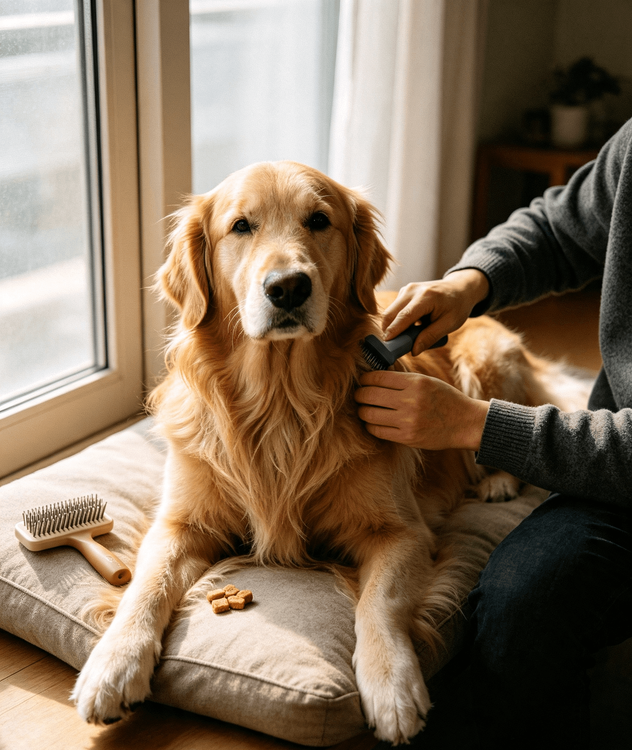
Anyone who’s ever fought a panicking dog while trying to brush its coat, or watched their cat bolt straight under the closet the second they grab a comb knows exactly how messy pet grooming can get. Being gentle and taking things slow definitely calms them down, but that’s only half the battle. The brushes, clippers and grooming supplies you pick end up defining every single session. Get the wrong tools, and even the most patient pet will grow stressed and defensive before you’re halfway done brushing their back.
I messed up this part plenty of times early on. I owned a shorthair Labrador years ago and kept brushing him repeatedly, pressing the brush hard against his skin thinking I’d reduce shedding faster. That approach never worked at all. You don’t need endless brushing or firm pressure to keep your pet’s coat healthy and shiny. After years of trial and error with my own pets and foster animals, I’ve figured out the real secret: match each grooming tool to your pet’s unique fur texture, instead of grabbing any random brush you find lying around the bathroom counter.
There’s no universal brush that works well for every cat or dog, full stop. Fur varies wildly — thin sleek shorthair coats, dense fluffy double coats, silky long strands prone to tangles — so those cheap one-size-fits-all brushes you buy from grocery stores rarely do a proper job. Soft rubber shedding brushes and basic bristle brushes are perfect for shorthair cats and dogs. They slide smoothly across the skin without scratching, collect loose stray fur easily, and keep grooming calm for skittish pets who hate being held for long periods.
Long-haired pets like Persians or Golden Retrievers bring a whole different set of challenges, though. A fine-tooth metal comb is always my go-to tool here. It digs out tiny hidden tangles regular brushes glide right over, stopping small knots from hardening into tight, painful mats later on. Once mats form close to the skin, they tug constantly and usually require a professional shave to remove. Catching tangles early saves your pet discomfort and keeps you from paying expensive salon fees down the line.
Match Your Grooming Tools To Your Pet’s Coat
Breeds with thick double coats and dense underfur, Huskies and Samoyeds for example, need specialised undercoat rakes for proper care. Ordinary bristle brushes cannot penetrate those layered coats to clear dead undercoat trapped near the skin. Even when you have the right tool in your hand, it’s surprisingly simple to over-groom without realizing you’re hurting your pet.
Brushing aggressively, grooming every single day, or overusing heavy-duty shedding rakes irritates delicate skin over time and strips away the natural protective oils within the fur. These innocent mistakes aren’t just going to leave your pet’s coat dull and lifeless; they actively damage skin health, turning gentle grooming time into something stressful and counterproductive. Kind handling builds trust day by day, yet mismatched, harsh tools can undo all of that patience in a matter of minutes.
Desensitize Paws Long Before Trimming Nails
If you hate nail trimming day just as much as your dog does, you’re almost certainly skipping simple daily paw desensitization work. Getting your pet comfortable with having their paws touched during random quiet moments around the house eliminates most struggles once nail trimming rolls around. Quick casual paw touches throughout the week also let you monitor nail growth constantly, so nails never grow overly long and curl painfully into their paw pads unexpectedly.
Last week my rescue cat hid behind the fridge for two hours just because I took out a nail clipper, it made me double down on paw desensitization training.
You don’t even need to cut any nails during these practice sessions. Build a tiny daily habit: gently lift their paw, bring your nail clipper or grinder close so they can sniff it, set the tool aside, reward them with a small treat, then let their paw go freely. This builds familiarity slowly, no rushing allowed whatsoever.
Lots of pet owners switch between clippers and grinders hoping to calm a nervous animal, yet this trick almost never fixes underlying fear. Grinders make constant buzzing noise and strong vibration that frightens sensitive pets, while traditional clippers squeeze the nail uncomfortably and carry a real risk of cutting the quick by accident. Slow desensitization on lazy afternoons works far better, and you skip actual trimming entirely in the beginning stages.
Leave your grooming tools beside their bed while they nap, letting them sniff, investigate and interact with clippers entirely on their own terms. If they pull away, tense their body or grow anxious at any point, stop everything immediately. Go back to soft belly scratches or ear rubs they adore, and push nail care to another day completely. Trying to force a scared pet through trimming creates lifelong grooming trauma that’s extremely tough to reverse later on. Funny how nobody ever points out that pushing through fear makes pets fear grooming twice as badly next time.
Gradual Ear & Dental Training, No Rush Allowed
Learn right away to separate quick daily ear inspections from deep ear cleanings. A fast visual check for dirt or redness works great for regular maintenance, but do not flood your pet’s ear canals with cleaning solution every week at home. Book a vet appointment right away if you spot strange discharge, catch them shaking their head nonstop, or notice they flinch sharply whenever your fingers draw near their ears. These are obvious warning signs of infection or inflammation that demand professional veterinary care.
I often browse guides published by VCA Animal Hospital for general daily pet care advice, but I would never use online articles to diagnose ear pain or abnormal discharge. In-person veterinary checkups are mandatory for any troubling physical symptoms your pet develops.
Dental training moves at the same slow pace; never grab a toothbrush and start scrubbing their teeth right away. Start extremely small: hold your fingers near their muzzle, lightly brush their gums once they stay calm, and reward relaxed behaviour with treats each single step. Once they stay composed through these tiny touches, introduce pet-safe toothpaste and an ultra-soft pet toothbrush. One rule you must never break: human toothpaste contains xylitol and fluoride which are toxic for cats and dogs, so never use human oral hygiene products to clean your pet’s teeth under any circumstances.
Bathing Rules: Skip Overwashing & Never Force a Bath
There is no fixed bathing schedule that works for every single animal. How frequently you bathe your cat or dog depends entirely on their breed, coat structure, skin condition and daily lifestyle habits. Outdoor dogs that swim in ponds, roll around in mud or run across dusty fields will need baths more often to wash away grime and bacteria. Most domestic cats barely require baths at all, they groom themselves meticulously all day long without assistance.
Only bathe a cat if they cannot clean their own fur due to old age or obesity, get covered in toxic substances, or your vet specifically prescribes baths to treat a skin condition. Always use shampoo formulated solely for cats and dogs, and spend extra time rinsing every last trace of soap from their coat. Shampoo residue stuck against the skin triggers persistent itching, rashes and dry skin that can linger for weeks afterward.
I always place a non-slip rubber mat inside the bathtub before baths too. Slippery plastic tubs make pets feel unsteady and terrified, instantly turning bath time into a traumatic experience they’ll dread forever. Stick to lukewarm water close to room temperature; hot water burns delicate pet skin easily, and make sure you block running water from flowing into their ear canals while rinsing around the head area.
You also need to recognise when you should cancel a home bath entirely. Do not bathe your pet at home if they have raw red skin, patchy bald spots, spreading rashes, a sudden foul odour, or yelp in pain when their fur gets wet or touched. Shampoo can cover up early signs of skin infections and hide critical warning symptoms, delaying proper medical treatment. Whenever skin irritation or open wounds exist, veterinary examination and medical treatment always come before routine grooming work.
Understand Where Home Grooming Ends & Professional Care Begins
Professional grooming salons offer so much more than trimming messy fur and neatening nails. There are dozens of situations where salon care is far safer than DIY grooming inside your bathroom. Severe tight mats pulling against the skin, extremely anxious pets that lash out when handled, thick clumps of tangled undercoat, nails with obscured quicks that make trimming risky, and tricky sanitary cleanings around the rear and paws all fall into this category.
Experienced professional groomers can also create custom home grooming routines tailored exactly to your pet’s breed and coat type. That personalised guidance is something generic grooming articles you find online simply cannot replicate. Senior dogs with limited mobility and reduced pain thresholds also need gentler, modified grooming sessions to stay comfortable, another detail most casual online grooming guides overlook completely.
Stop all grooming instantly if you spot open wounds, lesions, strange skin lumps or swollen areas anywhere on your pet’s body. The American Veterinary Medical Association shares excellent beginner resources covering basic pet grooming best